



What is DDH?
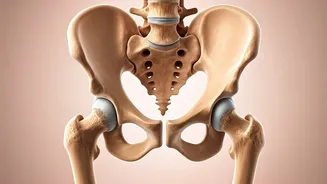
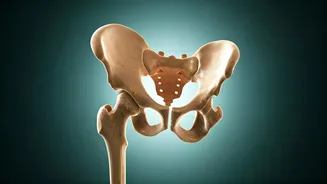
Developmental Dysplasia of the Hip, or DDH, refers to a condition where the hip joint in infants doesn't develop as it should. Normally, the rounded top
of the thigh bone (femur) fits snugly into the hip socket. In DDH, this connection might be loose, unstable, or the ball might be completely out of the socket. This can occur from birth and may not always be immediately apparent, making early checks vital. While untreated DDH can impact a child's ability to crawl, walk, and run, potentially leading to pain, limping, or early arthritis, prompt diagnosis and treatment significantly improve outcomes, allowing children to lead normal active lives.
How Common Is It?
DDH is a relatively common condition globally, affecting approximately 0.5% to 1.5% of newborns. Some infants experience mild instability that resolves naturally, while others face more severe forms requiring intervention. In India, the incidence is estimated between 0 to 2.6 cases per 1,000 live births, though this figure might be an underestimate as milder cases could go unnoticed. Certain groups are at higher risk, including baby girls, first-born children, those born breech (feet first), and infants with a family history of DDH. A significant challenge in India is that many children are diagnosed around one to two years of age, which is later than ideal, underscoring the necessity for widespread screening programs.
Identifying DDH Signs
Healthcare professionals often detect DDH during routine newborn examinations by noticing hip joint instability, even if parents don't observe any outward signs. As babies grow, parents might notice subtle indicators such as uneven leg lengths, restricted movement in one leg, or asymmetry in the creases of their thighs. In cases diagnosed later, children might present with delayed walking, a noticeable limp, an unusual gait, or one leg appearing shorter than the other. The persistence of late diagnoses highlights the ongoing need for consistent screening, especially in regions where it's not routinely performed.
Treatment Options Available
The good news is that DDH is highly treatable and often completely curable, especially when identified early. For infants up to six months old, a common approach is using a special soft brace. This brace gently holds the hip in the correct position, encouraging normal development. For children between six months and two years of age, treatment might involve a 'closed reduction,' where the hip is repositioned manually without surgery, followed by a period of immobilization in a cast. In older children, surgical procedures might be necessary to realign the hip joint. Fortunately, with early detection, many children can avoid surgery altogether.
Long-Term Outcomes
When DDH is detected and managed promptly, the outlook for children is overwhelmingly positive. Most individuals grow up to walk and run without difficulty, experience no pain, and maintain near-normal hip function throughout their lives. However, if the condition is missed or treatment is delayed, it can lead to lasting issues. These may include persistent limping, chronic hip pain, reduced mobility, and the development of early-onset arthritis, sometimes appearing as early as the third or fourth decade of life. In severe, untreated scenarios, individuals might eventually require hip replacement surgery later in life.