







Otters' Hand-Holding Ritual
Otters have a unique and charming sleep habit. They often hold hands while sleeping to prevent drifting away from each other, especially in currents. This
behavior highlights their social nature and demonstrates how physical contact strengthens bonds. A group of otters, called a raft, might all link paws, ensuring they stay together and remain safe from the dangers of the water. This practice underscores the importance of connection and mutual support within their community.
Cats' Cuddle Comfort
Cats are known for their comfort-seeking behavior and frequently cuddle up with each other for sleep. Whether siblings, bonded pairs, or just friendly housemates, cats find mutual warmth and security in physical closeness. They often curl up together, purring and enjoying the reassuring touch. This communal sleeping arrangement helps regulate body temperature, reduces stress, and reinforces their social bonds. The sight of cats nestled together provides both emotional support and a sense of shared belonging, showcasing their emotional depth.
Elephants' Gentle Touch
Elephants display deep empathy and compassion, often sleeping close together, with calves resting near their mothers and other family members. Adult elephants might intertwine their trunks or lean against each other. This physical contact provides comfort, security, and a sense of belonging within the herd. During sleep, they rely on this closeness to stay calm and protected. This practice demonstrates the strong social bonds and nurturing behavior of elephants.
Sea Lions' Sleep Squads
Sea lions are known for forming large, social groups and often sleep in close proximity, creating a cozy pile of bodies. This behavior helps conserve heat and offers protection against predators. The shared body warmth is especially crucial in cold environments. As they sleep, sea lions are able to watch for threats and maintain the social connections that are important for their survival. Their communal sleeping habits reinforce a sense of community.
Wolves' Pack Comfort
Wolves, renowned for their pack mentality, exhibit a strong need for physical closeness and often sleep huddled together. This social behavior provides warmth, safety, and reinforces social bonds. The proximity enables wolves to communicate through touch, scent, and proximity, strengthening the dynamics within the pack. This allows for clear communication and helps in maintaining coordination in hunting and protection. The pack's collective safety and emotional support create resilience within the group.
Monkeys' Social Sleep
Various monkey species, such as macaques and baboons, often sleep in close contact, particularly when it's cold or during the night. They find comfort and security in this physical closeness, and it aids in conserving heat. Close contact also facilitates social interaction, enabling grooming and communication, reinforcing group cohesion. The communal sleeping helps to foster a sense of belonging and community, enhancing their ability to survive and thrive together. This cooperative behavior highlights the importance of social bonds.
Prairie Dogs' Burrow Buddies
Prairie dogs are burrowing rodents that live in colonies, and they sleep in communal burrows. They often huddle together for warmth and protection, particularly during cold weather. Their interconnected underground system creates a secure environment. The sharing of space and resources helps strengthen their social bonds and reinforces their shared identity. This close-knit existence contributes to their communal defense, ensuring vigilance against any danger.
Penguins' Collective Warmth
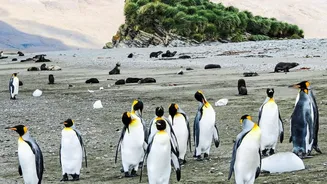
Emperor penguins are famous for huddling together during the harsh Antarctic winters. They form large, dense groups to conserve body heat, with penguins constantly shifting positions to ensure everyone gets a turn in the warmest part of the huddle. This remarkable cooperative behavior is essential for survival, as it protects them from the cold and wind. The shared body heat also conserves energy, enabling them to survive the extreme conditions. The cooperative behavior is a testament to the penguins' resilience.