







Visa Application Basics
Understanding the fundamental steps involved in applying for a US visa is crucial for a successful outcome. The process typically begins with determining
the correct visa type based on your travel purpose, such as tourism, study, or work. Once you've identified the appropriate visa, the next step involves completing the online application form (DS-160), which requires detailed personal and travel information. Following this, you must schedule and attend an interview at the US embassy or consulate in your home country. During the interview, a consular officer will assess your eligibility for the visa. Supporting documentation, such as proof of financial stability, ties to your home country, and evidence of the intended purpose of your visit, is essential. Careful preparation and adherence to these steps can significantly increase your chances of a positive outcome. Remember to keep all documents organized and readily available for the interview.
Types of US Visas
The US offers a variety of visas, each designed for specific purposes, making it important to select the right one. For tourism or short business trips, the B-1/B-2 visa is commonly used. Students pursuing academic studies apply for the F-1 visa, while those engaged in vocational or non-academic studies require the M-1 visa. Individuals seeking to work in the US generally need an H-1B visa (for specialized occupations), an L-1 visa (for intracompany transfers), or an O-1 visa (for individuals with extraordinary abilities). Furthermore, there are family-based visas for those seeking to join family members who are US citizens or permanent residents. Understanding the eligibility criteria and requirements for each visa type is fundamental. Carefully reviewing the specific instructions associated with each visa category is important for a smooth application process.
Essential Documentation Required
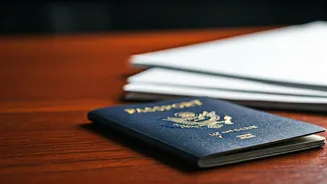
Assembling the necessary documentation is an important component of a successful US visa application. The documents required may differ depending on the visa type, however some are universally needed. Your passport must be valid for at least six months beyond your intended stay in the US. You'll typically need to provide a printed copy of your DS-160 confirmation page. Furthermore, supporting documents such as passport-sized photographs that adhere to the specific requirements are typically requested. For financial support, bank statements, tax returns, and proof of employment or investments can be helpful. Applicants must also provide evidence of their ties to their home country, which might include property deeds, family records, or employment contracts, to demonstrate that they intend to return. Always check the official website of the US embassy or consulate in your country for the most up-to-date and specific document requirements as part of your preparation.
Interview Preparation Tips
The visa interview is a vital part of the application process, therefore careful preparation can significantly increase your chances of success. It's important to be truthful and confident when answering the consular officer's questions. Review your application thoroughly and be ready to provide clear and concise answers. Have all your supporting documents organized and easily accessible. Practice common interview questions such as why you want to visit the US, your travel plans, and your intentions upon returning to your home country. Be prepared to explain your ties to your home country to convince the officer that you will return. Dress professionally and arrive on time for your interview. Maintaining a calm and respectful demeanor throughout the interview is highly advisable. Remember to listen carefully to the questions and answer honestly and directly. If the officer is unsure, it is best to provide more information.
Common Application Challenges
Several factors can pose challenges during the US visa application process. Incomplete or inaccurate application forms are a frequent cause for delay or denial. Insufficient supporting documentation or failure to provide evidence of ties to your home country may also cause issues. Previous visa denials can raise concerns, so addressing any past rejections openly and providing additional explanations is helpful. A criminal history can negatively impact the application; therefore, it’s necessary to be transparent and provide supporting documentation if necessary. Providing truthful and accurate information is always important, as misrepresentation can lead to serious consequences, including a permanent ban from entering the US. Economic instability in your home country might make it harder to provide evidence of financial stability; hence, it's wise to provide as much documentation as possible. Thoroughly review all requirements and seek clarification if needed to mitigate potential challenges.