





Ancient Wisdom, Modern Science
India, famously, is second only to a few in global sleep deprivation. While we often blame technology, stress, and work, a critical factor is frequently
overlooked: the timing of our evening meal. Generations ago, eating dinner before sunset was commonplace, not out of a conscious health trend, but simply due to the natural end of daylight and daily activities. This practice, once deemed old-fashioned, is now being validated by science, which reveals that our bodies metabolize food differently at various times of the day. The same meal, consumed at 7 PM versus 10 PM, can yield vastly different physiological results, and this isn't about the quantity or type of food but its placement within our daily schedule. This fundamental shift in understanding highlights a crucial aspect of nutrition that has been lost in modern lifestyles, suggesting our ancestors had an intuitive grasp on a vital health principle.
Chrononutrition's Crucial Role
The field of chrononutrition is rapidly illuminating the profound impact of meal timing on our physiology. Research, including a 2025 review in 'Nutrients,' indicates that eating against our body's internal circadian clock can lead to significant disruptions. These include impaired hormonal regulation, a reduced capacity for overnight fat burning, and compromised melatonin production, the hormone essential for sleep. Furthermore, studies show that individuals who conclude their meals before 8 PM experience notably lower overnight cortisol levels. This reduction in stress hormones during the body's crucial repair period is vital for overall health. The implications are clear: a late dinner doesn't just lie heavily in your stomach; it actively interferes with your body's natural signaling processes, delaying the onset of rest and recovery.
Metabolic Burden of Late Meals
As evening approaches, our bodies undergo natural physiological changes that affect how we process food. Specifically, insulin sensitivity experiences a significant decline. This means that our system becomes considerably less efficient at managing blood sugar levels later in the day. Consequently, food that is easily handled and utilized by the body at an earlier hour can become a metabolic burden when consumed late at night. This metabolic inflexibility is a key concern highlighted by the World Health Organization, which recognizes circadian disruption—driven by modern habits like late eating, artificial light exposure, and irregular schedules—as a growing contributor to the global obesity crisis. Dr. Joseph Bass's research, published in 'Science,' supports this, suggesting that mistimed eating, which disorients the body's internal clock, directly contributes to weight gain, insulin resistance, and metabolic disorders, underscoring that meal timing is as critical as food composition itself.
Reconnecting with Intuitive Eating
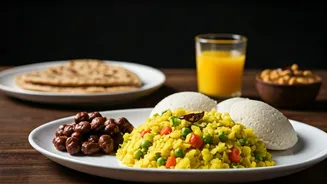
The modern predicament of misaligned eating habits is particularly poignant for India, where traditional food culture intuitively understood the importance of meal timing. The practice of having an early, lighter dinner was not merely a matter of custom or simplicity; it was a method of respecting the body's natural rhythms. Meals like khichdi before 7 PM, warm curd rice, and kitchens that closed early were ingrained practices. These weren't dictated by poverty or rigid tradition but by an inherent understanding of eating in harmony with one's biological clock. While the actual food on our plates is undeniably important, the time we choose to eat it is equally significant. The most health-conscious individuals in the coming years will likely prioritize not just 'What am I eating?' but also 'When am I eating it?' thereby achieving a more complete approach to nutritional well-being.