





Choosing Your Start
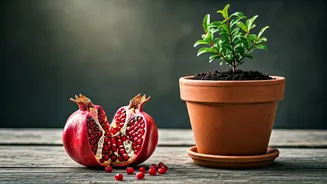
For a head start in your pomegranate-growing journey, it's highly recommended to select a healthy sapling from a reputable nursery rather than attempting
to grow from seeds. This ensures a stronger, more vigorous plant from the outset, significantly increasing your chances of success. A well-established sapling will already possess a developed root system, making the transition to its new container environment much smoother and accelerating its growth towards fruit production. Opting for a robust young tree bypasses the often lengthy and uncertain germination period associated with seeds, allowing you to enjoy the fruits of your labor sooner.
Container Essentials
When selecting a home for your pomegranate tree, think big! As a fruit-bearing plant with an extensive root network, it requires ample space to flourish. Lizzie John, an urban gardening enthusiast from Bengaluru, advocates for large containers like drums or sizable plastic buckets. Crucially, ensure that whatever vessel you choose is equipped with adequate drainage holes at the base. This feature is paramount for preventing waterlogged soil, which can lead to root rot and hinder the plant's overall health and productivity. A spacious, well-draining pot is fundamental for a thriving pomegranate plant.
The Ideal Soil Blend
Crafting the perfect potting mix is key to providing your pomegranate sapling with the nutrients it needs to thrive. Lizzie John employs a personalized approach, often incorporating a handful of lime into a bucket of soil intended for fruit plants. She then enriches this base with a balanced combination of cocopeat, which aids in moisture retention, and vermicompost and cow dung, both excellent sources of organic matter and essential nutrients. This meticulously prepared blend creates a fertile and well-aerated environment that supports robust root development and healthy plant growth, setting the stage for bountiful harvests.
Layering for Success
The technique of layering your soil and potting mix is an effective strategy for ensuring optimal conditions for your pomegranate sapling. Begin by placing a layer of dry leaves at the bottom of your chosen container, followed by a generous application of your prepared soil mix. Lizzie John advises repeating this process, creating at least three distinct layers. This method promotes excellent drainage and aeration while also contributing organic material as the leaves gradually decompose. It's best to allow the pot to settle for about a week after layering before introducing your sapling, giving the soil components time to integrate.
Sunlight is Crucial
Pomegranate trees are sun-worshippers and thrive best in warm, sunny climates, making them an ideal choice for many Indian locales. Lizzie John emphasizes the importance of positioning your potted pomegranate plant in a spot that receives abundant direct sunlight throughout the day. This consistent exposure to solar energy is vital for photosynthesis, which fuels the plant's growth, flowering, and ultimately, fruit development. Areas with at least six to eight hours of sunlight daily are typically ideal for ensuring a healthy and productive pomegranate tree.
Watering & Feeding
Once your pomegranate sapling is planted, consistent watering is essential. Lizzie John suggests watering the plant once daily, especially in the initial stages of growth. Beyond regular watering, a smart feeding strategy can significantly boost your plant's yield. A clever technique involves cutting a plastic bottle, burying it partially in the soil near the plant, and filling it with kitchen scraps, dry leaves, a bit of jaggery, buttermilk, or cow dung. Covering this with a coconut shell allows the contents to decompose slowly, releasing nutrients directly to the plant's roots, acting as a natural and continuous fertilizer.
Natural Pest Defense
Maintaining a healthy pomegranate plant doesn't require harsh chemicals. Lizzie John champions natural methods for pest control, asserting that chemical pesticides are unnecessary. A highly effective, eco-friendly solution involves mixing approximately 5 ml of neem oil with one liter of water, adding a small amount of soap or detergent to help it emulsify. This mixture should then be sprayed onto the plant's leaves and stems. This natural spray helps deter common garden pests, keeping your plant healthy and promoting organic fruit production without harming beneficial insects.
Pruning for Growth
For pomegranates grown in containers, regular pruning is key to managing their size and encouraging robust fruiting. Lizzie John advises keeping the plants from becoming too large and unmanageable. When the tree reaches a height of two to three feet, it's an opportune time to prune it. This process helps to shape the plant, remove any weak or crossing branches, and promote denser growth, ultimately leading to better fruit yield and a healthier, more aesthetically pleasing specimen. Strategic trimming ensures the plant directs its energy towards producing delicious fruit.