








Liquid Limits History
The notorious 100ml liquid rule, a cornerstone of airport security protocols for many years, originated in response to a foiled terrorist plot. Authorities,
fearing liquid explosives, implemented the restriction to prevent potential threats from being smuggled onto airplanes. Passengers were forced to comply with these regulations, meticulously transferring liquids into tiny containers and then placing them in clear, resealable bags. This stringent measure, while designed to enhance safety, led to considerable inconvenience and frustration for air travelers globally. The implementation of this rule marked a significant shift in airport security, impacting the way people pack and the time required to pass through security checkpoints, often leading to delays and additional stress, particularly during peak travel seasons.
CT Scanners: A New Era
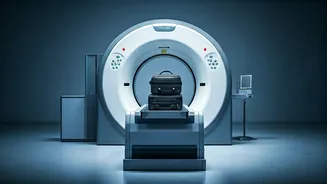
The advent of advanced CT (Computed Tomography) scanners represents a pivotal shift in airport security technology. Unlike traditional X-ray machines, CT scanners generate detailed, three-dimensional images of baggage contents. This allows security personnel to more accurately identify potential threats, including liquid explosives, without the need for strict liquid restrictions. By examining items from various angles, CT scanners provide a far more comprehensive analysis, increasing the efficacy of security screening. The sophisticated technology enables operators to differentiate between harmless liquids and dangerous substances with increased precision. This technological evolution not only enhances security but also significantly enhances the efficiency of security checks, reducing queues and wait times for passengers at airports that adopt this technology.
Heathrow's Transformation
Heathrow Airport in the UK has been at the forefront of implementing these advanced CT scanners, leading the way in modernizing security procedures. These scanners have been introduced across multiple security lanes, allowing passengers to move through the checkpoints more swiftly. With the new scanners in operation, passengers are no longer required to remove liquids from their carry-on bags. This single change drastically simplifies the pre-flight process, cutting down the time spent in security lines and reducing the stress often associated with air travel. This upgrade is a major advancement in streamlining the passenger journey and demonstrates Heathrow's commitment to adopting innovative solutions for enhanced security and improved customer experience.
Benefits for Travelers
The advantages of CT scanners extend well beyond simplifying security protocols. For passengers, the removal of the 100ml liquid restriction translates to significant convenience. Travelers can now pack toiletries and other liquids without the limitations previously enforced. This change reduces the risk of having items confiscated and allows for a quicker passage through security checks. Furthermore, these scanners are often associated with larger trays, enabling passengers to keep more items within their bags, such as laptops and electronic devices, reducing the need for constant unpacking and repacking. This ease of operation contributes significantly to a less stressful and more pleasant airport experience. The introduction of CT scanners leads to a smoother, faster, and more efficient journey for all travelers.
Future of Airport Security
The successful implementation of CT scanners at airports like Heathrow is paving the way for a broader transformation in global airport security. More airports around the world are expected to adopt this technology in the coming years. This shift indicates a trend towards more sophisticated screening methods that balance security with passenger convenience. Other innovations, such as facial recognition and advanced baggage handling systems, are likely to be integrated, further improving the efficiency and effectiveness of security processes. This continual evolution represents a positive change in the way airports function, making air travel safer, more efficient, and far more enjoyable for everyone involved, setting the stage for future security innovations.