

The Sprout Question
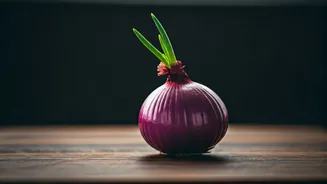
Encountering a sprouted onion can be a common kitchen surprise, leading many to question its edibility. Fortunately, unlike their potato counterparts,
sprouted onions are generally considered safe for consumption. The sprout itself is essentially a new growth, drawing energy from the onion bulb. While it might alter the texture and flavor, making the onion slightly less crisp or a bit more pungent, it doesn't typically render it unsafe. The key distinction lies between a sprouted onion and a spoiled one. A sprouted onion might just need a little trimming, whereas a spoiled onion, characterized by soft spots, mold, or a foul odor, must be discarded without hesitation. Understanding this difference is crucial for minimizing food waste and making informed decisions in the kitchen.
Optimal Onion Storage
Preventing onions from sprouting in the first place hinges on proper storage techniques. The ideal environment for whole onions is a cool, dry, and well-ventilated area, shielded from excessive heat, direct light, and dampness. It's crucial to avoid airtight plastic bags, as these tend to trap moisture, creating a breeding ground for spoilage and encouraging sprouting. Instead, opt for breathable options like mesh bags or open baskets that allow for good air circulation. Refrigeration is not recommended for whole onions, as the increased humidity can accelerate their deterioration and lead to mushiness. For those times when you only need a portion of an onion, cut onions can be stored in an airtight container in the refrigerator for approximately 4 to 5 days. For longer preservation, chopped onions can be frozen, though this may impact their texture upon thawing.
Smart Storage Pairings
A common kitchen faux pas that can drastically shorten the lifespan of your onions is storing them alongside potatoes. These two staples, when kept together, release moisture and gases that can expedite the spoilage process for both. Potatoes emit ethylene gas and moisture, while onions release sulfur compounds. This combination creates a damp, conducive environment for mold and bacteria to thrive, causing both to deteriorate at an accelerated rate. To ensure your produce stays fresh for as long as possible, it's best to store onions in a separate location from potatoes and other fruits and vegetables that release ethylene gas. Regularly inspecting your stored onions and promptly removing any that show signs of spoilage is also a vital practice to prevent the issue from spreading to the rest of your stock.