






Dishes Vanish, Doors Close
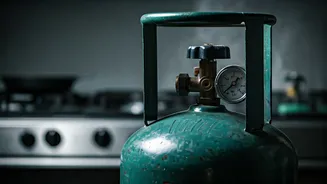
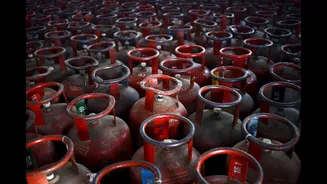
The nation's culinary landscape is being dramatically altered by a severe scarcity of commercial LPG cylinders, a crisis exacerbated by geopolitical events
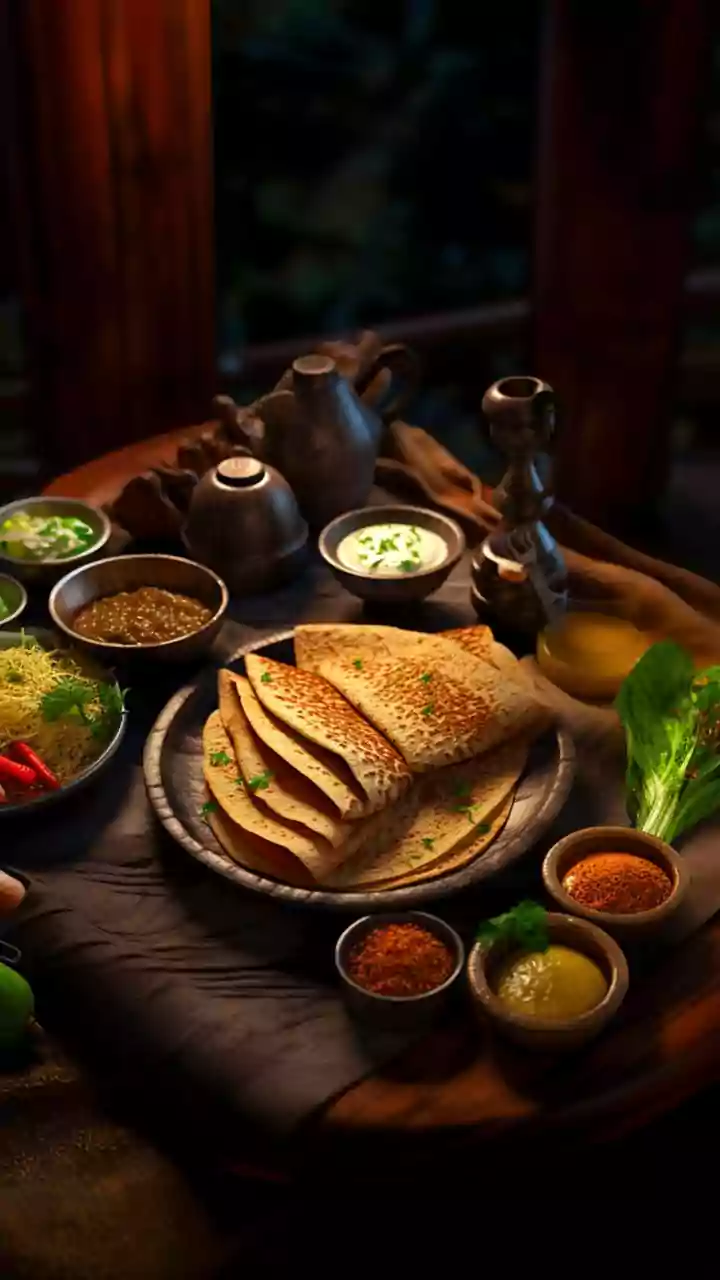
in West Asia. In major cities like Delhi, Hyderabad, and Pune, the unavailability of cooking gas has forced numerous restaurants and canteens to either drastically alter their offerings or cease operations entirely. For instance, the canteen at the Delhi High Court had to temporarily remove main course items from its menu, substituting them with lighter refreshments. Similarly, hostels and paying guest accommodations in Hyderabad reported that staples like rotis and popular dishes such as dosas were no longer available, impacting daily meals for residents. The ripple effect is palpable, with several eateries in Pune shuttering their businesses for extended periods due to an inability to procure sufficient LPG supplies, leaving patrons disappointed and owners facing significant financial strain. This widespread disruption highlights the critical dependence of the food service sector on a consistent LPG supply chain.
Menu Meltdown Escalates
The impact of the LPG crunch extends beyond simple unavailability, directly influencing menu diversity and customer satisfaction across various establishments. In Chennai, Bengaluru, and Hyderabad, restaurants and catering services have found it necessary to remove high-demand, gas-intensive food items like dosas and pooris from their regular offerings. This has led to significant inconvenience for diners accustomed to these popular choices. The situation is particularly challenging for hostels and PG accommodations in Hyderabad's IT corridor, where the removal of certain curries, including rajma and chickpea-based preparations, has caused discontent among residents from North India who rely on these dishes. Even basic amenities like tea and coffee preparation have been affected, with many food providers resorting to rationing to manage their limited gas supply. This reduction in menu variety is a clear indicator of the logistical difficulties faced by the industry.
Seeking Alternative Fuels
In response to the escalating LPG crisis, the hospitality sector is actively exploring and implementing a range of alternative cooking solutions. Industry representatives and hotel associations are investigating the viability of traditional fuels like coal and firewood, alongside more modern options such as biogas and electric kitchens. Companies like Maharashtra Natural Gas Ltd are assisting eateries in transitioning to piped gas connections, offering a more stable supply. In a notable shift, the Bhubaneswar municipal corporation has reversed its earlier ban on coal and firewood use by roadside eateries and hotels, recognizing the urgent need for fuel alternatives to keep businesses operational. The Indian Railways' catering arm, IRCTC, has also directed its static catering units to switch to microwave and induction cooking methods. These diverse strategies underscore the industry's ingenuity in adapting to unforeseen supply chain disruptions and ensuring continuity of service.
Innovation in the Kitchen
Forward-thinking establishments are showcasing innovative approaches to overcome the LPG shortage, demonstrating resilience and a commitment to adapting. For instance, certain restaurants in Bengaluru's Koramangala area, like the well-known Empire restaurant, are unfazed by the current crisis because their energy needs are met by a biomethanation plant, which utilizes organic waste to produce biogas. This model has prompted leaders in the sector to consider wider adoption of dual-fuel systems, reducing over-reliance on a single fuel source. Similarly, some bakeries in Mumbai, despite recent directives to switch to LPG, are maintaining their traditional firewood ovens, ready to utilize them if permitted, showcasing a blend of modern and traditional cooking techniques. In Uttar Pradesh, oil marketing companies are even re-evaluating the possibility of using kerosene as an emergency substitute, a fuel largely phased out previously. These adaptive measures highlight a creative response to a critical infrastructure challenge.
Tourism Season Under Threat
The LPG shortage poses a significant threat to the upcoming tourist season in popular destinations, creating anxiety among hoteliers and business owners. States like Uttarakhand, Himachal Pradesh, and Goa, heavily reliant on tourism, are particularly vulnerable. In Himachal Pradesh, with the peak tourist season imminent, the hospitality industry has raised alarms about the potential impact on bookings and visitor experience. Cities like Shimla, Manali, Dharamshala, Kasauli, and Kasol are already experiencing the repercussions, with eateries struggling to maintain normal operations. Hotel and restaurant associations are expressing concerns about their ability to cater to the anticipated influx of tourists, with some hoteliers hesitant to accept advance bookings due to the uncertainty surrounding fuel availability. This situation could lead to substantial economic losses for regions dependent on seasonal tourism if the LPG crisis is not resolved promptly.