




Dry Ingredients Thoroughly
The cardinal rule for taming rogue oil is ensuring your ingredients are completely dry before they hit the hot pan. Even the smallest trace of water, whether
from washing vegetables, paneer, or meats, can cause aggressive popping and splattering as it interacts with the hot oil. Before you start cooking, make it a habit to meticulously pat down all your food items with a clean kitchen towel or paper towels. This seemingly minor step is incredibly impactful, dramatically reducing the violent reactions that lead to oil escaping the confines of your pan. It’s a small investment of time that yields significant rewards in terms of a cleaner cooking environment and a reduced risk of burns.
A Pinch of Salt Magic
Introducing a tiny amount of salt to your cooking oil before adding food is a surprisingly effective and effortless method to mitigate splatters. This simple addition acts as a moisture absorber, helping to neutralize any residual dampness present in the ingredients or the oil itself. A small sprinkle of salt can noticeably calm the violent eruptions that often occur when food first makes contact with hot oil. The key here is moderation; you only need a very small pinch. Over-salting the oil can impact the flavor of your food, so exercise restraint. This technique is a testament to how minor adjustments can lead to major improvements in your cooking experience.
Optimal Oil Temperature
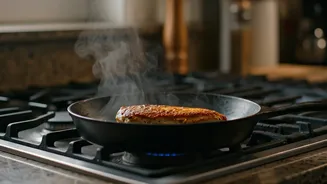
Achieving the correct oil temperature is paramount for controlling splatters. When oil becomes excessively hot, it reaches a point where it begins to smoke, indicating it's far too hot and will cause vigorous sputtering. Instead of rushing the heating process over a high flame, allow the oil to warm up gradually on a medium heat setting. This controlled heating ensures that the oil reaches the appropriate temperature for cooking without becoming dangerously hot. Maintaining a balanced heat level not only results in more even cooking for your food but also significantly reduces the likelihood of unexpected and unruly oil splashes, contributing to a safer and less messy culinary endeavor.
Strategic Lid Usage
A simple kitchen lid can serve as an excellent first line of defense against flying oil droplets. To effectively use a lid for splatter control, avoid sealing the pan completely. Instead, position the lid slightly ajar, allowing steam to escape. This ventilation prevents moisture buildup within the pan, which can lead to steaming and affect food texture, while still effectively blocking oil from escaping. This method ensures that your food cooks properly without becoming soggy, all while keeping your stovetop and surrounding areas free from oily residue. It's a practical and readily available tool for a cleaner cooking experience.
Deeper Pans Recommended
The choice of cookware plays a significant role in managing oil splatters. While flat-bottomed pans may seem convenient for everyday cooking, they offer limited containment for aggressive splattering, especially during frying or when dealing with ingredients that release a lot of moisture. Opting for deeper pans or traditional kadais is a more effective strategy. Their higher sides naturally create a barrier, preventing oil from easily escaping the pan. This design is particularly beneficial when you're dealing with the dynamic nature of hot oil and moist foods, effectively keeping the mess contained and making your cooking process more secure and tidy.
Gentle Food Introduction
The way you introduce food into hot oil can dramatically influence the intensity of splattering. Dropping ingredients from a height can cause a significant disturbance to the oil, triggering a more violent reaction and more pronounced splashes. A more controlled approach involves gently sliding your food items into the pan from the side. This subtle shift in technique allows the ingredients to enter the oil smoothly, minimizing the shock to the hot liquid. By adopting this calmer method, you not only reduce the risk of oil splattering but also contribute to a more peaceful and safer cooking environment in your kitchen.
Avoid Overcrowding
Overfilling your pan with ingredients is a common mistake that exacerbates oil splattering issues. When too many items are crammed into the pan simultaneously, it causes a drop in the overall oil temperature. This reduced temperature, combined with the increased moisture released from the crowded food, creates a perfect storm for enhanced splattering. To avoid this, it's often best to cook in smaller batches, especially when frying or sautéing. Not only will your food cook more evenly and efficiently, but your kitchen will also remain significantly cleaner, saving you considerable cleanup time later.
DIY Splatter Shields
Even without a dedicated splatter screen, you can fashion effective barriers to contain oil. Improvise using common kitchen items like a roti jali (a perforated metal grill used for toasting roti), a large plate, or even a fine-mesh sieve. These makeshift guards can be placed over the pan to block escaping oil droplets. While not as specialized as commercial screens, these simple tools offer a zero-cost and surprisingly effective solution when things start to get a bit too chaotic in the pan. They serve as a quick and accessible way to manage splatters when you need an extra layer of protection.
Clean as You Go
While employing preventative measures can significantly reduce oil splatters, a small amount of mess is sometimes inevitable. The most effective strategy to combat this is to clean up any minor spills or drips immediately after cooking, while the oil is still warm and pliable. Allowing oil to cool and harden on your stovetop transforms it into stubborn, sticky grease that requires considerable effort to remove. Wiping down surfaces promptly will save you a great deal of scrubbing and make future cleanups infinitely easier. This habit of immediate tidying ensures your kitchen remains pleasant and manageable.