





Why Grapes Need Extra Care
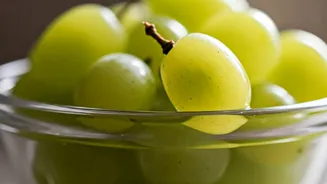
Grapes often harbour more pesticide residue and dirt than other fruits due to their growth pattern and delicate skin. They grow in dense clusters, possess
a large surface area relative to their size, and have thin, porous skins that easily trap agricultural chemicals and dust. Consequently, a simple rinse under the tap is often insufficient to remove these lingering substances. Farmers frequently employ multiple treatments to protect grapevines from insects, fungi, and mold, which contributes to a higher concentration of pesticide residue. Understanding this makes proper cleaning an essential step before consumption, particularly for children, to mitigate potential health risks associated with these persistent residues.
Initial Rinse and Prep
Begin the cleaning process with a foundational rinse under cool running water. Place your grapes into a large bowl or a colander and gently agitate them for about 20 to 30 seconds while lightly rubbing them with your hands. This initial step is crucial for dislodging and washing away loose dirt, dust, and other superficial contaminants. While this preliminary rinse won't eliminate all pesticide traces, it significantly reduces the overall chemical load on the grapes. It effectively prepares the fruit for subsequent, more intensive cleaning methods, acting as a vital first line of defense against unwanted residues before moving on to specialized solutions.
Baking Soda for Pesticides
Leverage the power of baking soda, a scientifically validated method for breaking down common pesticide molecules. To prepare the solution, mix one teaspoon of baking soda into one litre of water until thoroughly dissolved. Submerge your grapes in this alkaline mixture for approximately 10 to 15 minutes. The chemical reaction between the baking soda and the pesticide residues helps to loosen and lift them from the grape skins. Following the soak, gently rub the grapes to further remove any loosened contaminants and then rinse them thoroughly with clean, fresh water. This straightforward approach can effectively remove a substantial portion of surface-level chemicals, making your grapes significantly safer to eat.
Vinegar for Germs
Incorporate a vinegar wash to effectively neutralize germs and bacteria lingering on your grapes. Create a sanitizing solution by combining one part white vinegar with three parts water. Allow the grapes to soak in this diluted vinegar mixture for about 5 to 10 minutes. The mild acidity of the vinegar works to dissolve remaining residues and provides a disinfectant effect, targeting harmful microorganisms. After the soak, rinse the grapes exceptionally well to eliminate any trace of vinegar smell or taste. This step is particularly beneficial if your grapes have been handled extensively or stored for a period, ensuring a more hygienic final product.
Gentle Rub and Dry
Completing the cleaning process involves a gentle physical action and thorough drying. After the rinsing stages, carefully rub each bunch of grapes with your fingers or a soft, clean cloth. This manual friction assists in physically dislodging any stubborn residues that might still be clinging to the skins. Once you've gently rubbed them, allow the grapes to air dry completely or pat them dry with a clean kitchen towel. Properly dried grapes not only reduce the risk of recontamination but also extend their shelf life in the refrigerator, significantly inhibiting the growth of mold and preventing spoilage, ensuring they remain fresh and safe for longer.
Smart Storage Practices
Proper storage is the final, critical step in maintaining the cleanliness and freshness of your grapes. Once thoroughly cleaned and dried, transfer the grapes into a breathable container. It is advisable to store them in the refrigerator, ensuring the container is either unsealed or only loosely covered. This allows for adequate air circulation, which is essential for preventing the build-up of moisture and inhibiting the growth of mold or bacteria. Adhering to these storage guidelines will help preserve the quality of your grapes and prevent any recontamination after the meticulous cleaning process you've undertaken.