





A Bold Nutrition Claim
A notable statement from a senior executive at Westlife Foodworld, the entity operating McDonald's in West and South India, has positioned their fast food
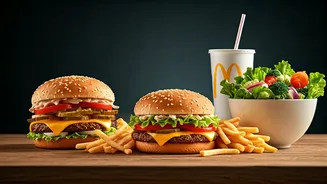
offerings as potentially superior to many home-cooked meals. This assertion arises in the context of an intensifying global conversation around dietary health, the prevalence of processed ingredients, and increasing consumer vigilance regarding nutritional content. The executive's argument hinges on the concept of absolute transparency in food preparation and ingredient disclosure, suggesting that under such clear conditions, McDonald's meals could offer a more balanced nutritional profile than alternatives, even those prepared domestically. This perspective challenges conventional notions of fast food and signals a proactive stance by the company in addressing evolving consumer expectations for healthier choices, despite the perceived 'junk food' label often attached to such establishments.
Menu Evolution and Transparency
In response to shifting consumer priorities, the company has been actively refining its menu to better align with demands for healthier eating. This strategic adjustment involves more than just marketing; it focuses on tangible improvements like reducing sodium in popular items such as fries and lowering the fat content in mayonnaise. A key initiative highlighted is the 'Protein Slice' option, which empowers customers to augment their burgers with additional protein, catering to those seeking specific macronutrient enhancements. Furthermore, the 'Real Food Real Good' initiative, initiated in 2016, has seen their best-selling Aloo Tikki Burger transformed into a balanced meal option. The overarching philosophy is not to label products as inherently 'healthy' but to furnish consumers with comprehensive nutritional data and greater flexibility in customizing their meals, thereby fostering informed choices.
Addressing Global Health Concerns
The discussion around sodium intake and processed foods has gained significant global traction, underscored by recent research. A 2024 report from the US Food and Drug Administration indicated that over 70% of dietary sodium originates from packaged and prepared foods, rather than salt added during home cooking, linking high sodium consumption to increased risks of hypertension, stroke, and heart disease. Concurrently, a separate 2024 study published in the Journal of the American Heart Association highlighted a correlation between higher consumption of ultra-processed foods and an elevated risk of hypertension among American adults. These findings amplify the importance of nutritional transparency and reformulation efforts by food service providers like McDonald's India as they navigate the complex landscape of public health and consumer awareness.
Growth Strategies Beyond Burgers
Amidst evolving consumer behaviors and the need to balance affordability with health consciousness, quick-service restaurant chains are adapting their strategies. Westlife Foodworld reports a resurgence in customer traffic, driven partly by value-oriented offerings like the Rs 99 Everyday Value Meal platform. Beyond burgers, the company is also concentrating on expanding its coffee business through McCafe, aiming to cultivate a daily coffee-drinking habit across India and make quality coffee accessible to a broader audience. The expansion plans are robust, with 48 new restaurants opened in FY26 and a commitment to launching over 60 new outlets annually. This growth is complemented by a continued focus on digital ordering and enriching the menu with options that cater to changing consumer preferences, including those seeking added protein.