
Deal's Impact on Market
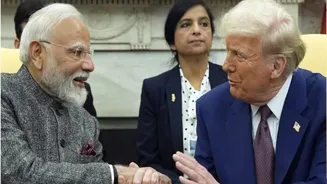
The India-US trade deal has brought about substantial changes in the market dynamics. A noteworthy outcome of the agreement has been the reduction of tariffs
on Indian goods by the United States. This reduction, which saw tariffs slashed to 18% from the previous 50%, has already spurred positive reactions. Major stock indexes have seen increases, reflecting the optimism among investors. Market analysts have adjusted their model portfolios to reflect these changes, identifying companies that are likely to profit from enhanced trade relations between the two countries. This initial positive response points towards potentially greater economic gains for India.
Sector Beneficiaries Identified
Multiple sectors are poised to benefit significantly from the India-US trade deal. Textile stocks, including KPR Mill and Gokaldas Exports, have experienced substantial gains, with some stocks soaring up to 20%. The metals sector also appears promising, with analysts advising investors to consider overweighting positions in this area. This guidance is supported by expectations of increased exports and stronger demand. Furthermore, the deal is expected to boost the competitiveness of Indian exports globally, making Indian goods more attractive in the US market. These developments indicate an optimistic outlook for several key sectors within the Indian economy, driving growth and investment opportunities.
Jefferies' Model Portfolio Adjustments
Following the trade deal, Jefferies has revised its model stock portfolio. This adjustment includes a list of companies expected to benefit. The inclusion of certain stocks and sectors in the model portfolio serves as a signal to investors. This indicates the anticipation of robust growth and improved financial performance. The firm's analysis helps guide investment decisions by highlighting companies with strong growth potential within the new trade framework. These strategic changes reflect a broader market trend toward capital allocation in companies well-positioned to leverage the India-US trade agreement.
Export Competitiveness Boost
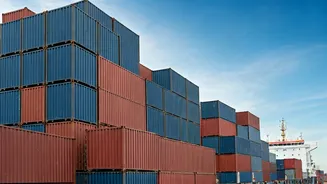
The trade deal is projected to significantly enhance the competitiveness of Indian exports. With decreased tariffs and improved market access, Indian businesses are expected to find it easier to sell their products in the United States. This will lead to an increased flow of goods and services between the two nations. This shift towards a more favorable trade environment will also have implications beyond direct exports, potentially benefiting allied sectors. The deal creates a more level playing field, boosting India's position in the global trade arena.