



Endurance Undergoes Extreme Trials
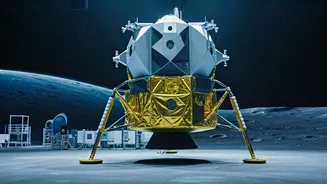
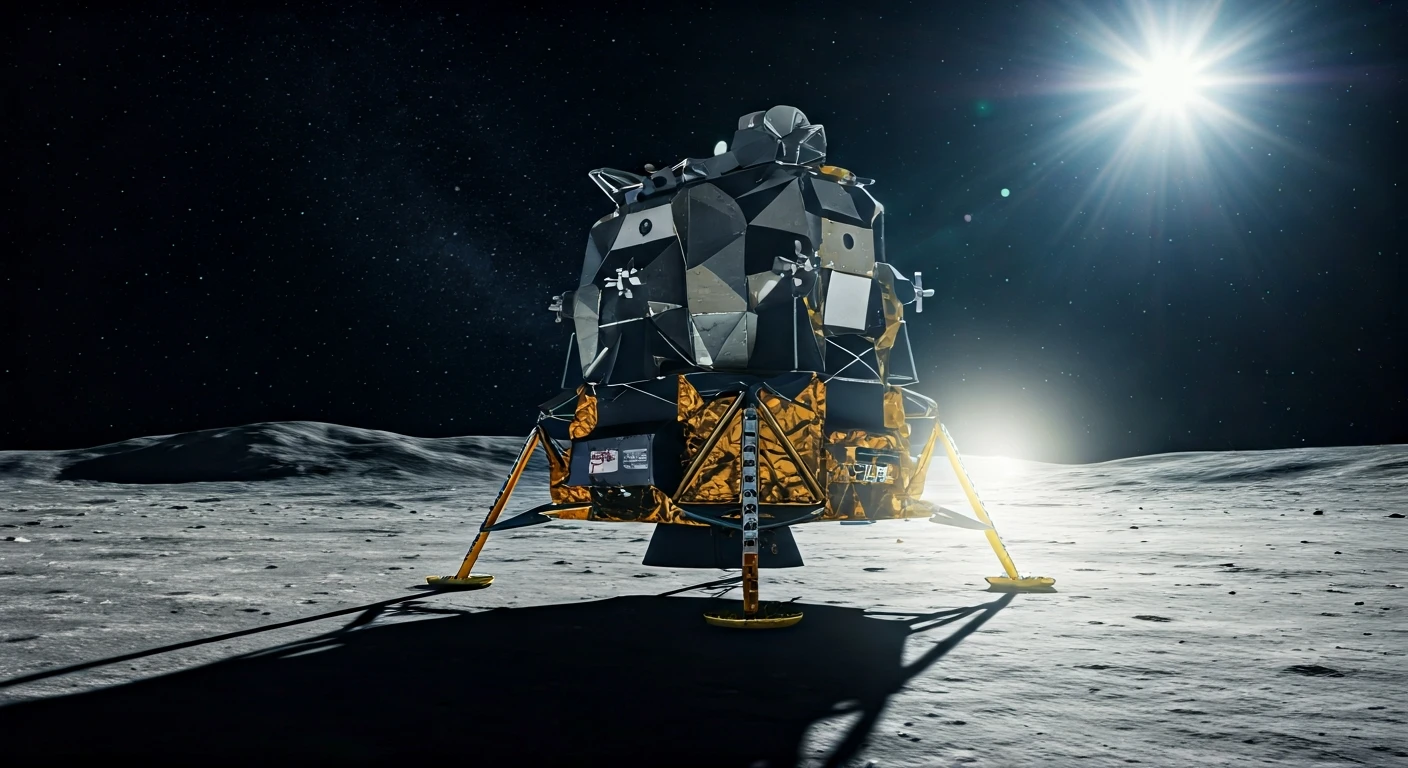
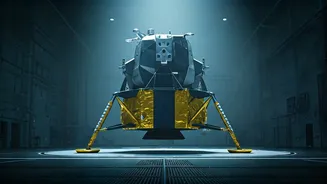
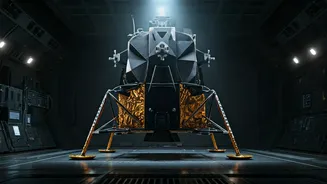
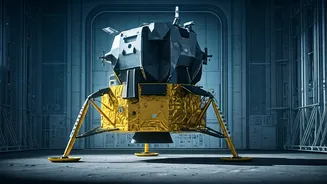
Blue Origin's pioneering uncrewed lunar vehicle, designated Blue Moon Mark 1 and affectionately called 'Endurance', has successfully navigated a gauntlet
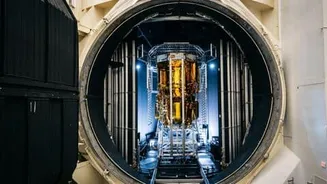
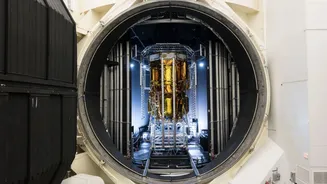
of rigorous environmental simulations. These critical tests were conducted within the cavernous confines of Thermal Vacuum Chamber A at NASA's Johnson Space Center, a facility renowned for its ability to replicate the harsh conditions found in outer space. Engineers meticulously recreated the frigid temperatures and near-total vacuum that the lander will encounter on its journey to and operations on the Moon. The primary objective of this extensive testing phase was to unequivocally confirm the lander's structural integrity, the efficacy of its thermal management systems, and its overall operational capability when subjected to the unforgiving environment beyond Earth's atmosphere. This deep dive into its performance under simulated lunar conditions is a cornerstone in validating the spacecraft's readiness for its ambitious mission.
Cargo Delivery Pioneer
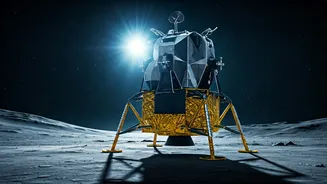
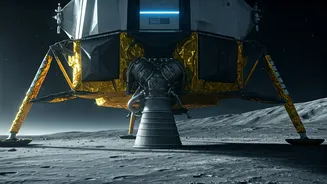
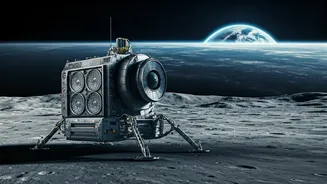
The Blue Moon Mark 1 is engineered not for carrying astronauts, but for a crucial role in delivering essential payloads to the lunar surface. This uncrewed module represents a significant contribution to the ambitious goals set forth by NASA's Artemis program, which aims to establish a sustained human presence on the Moon. The lander's core mission will focus on demonstrating key technologies indispensable for a successful lunar landing, including precise touchdown maneuvers, the effective utilization of cryogenic propellants, and the autonomous execution of guidance, navigation, and control functions. The intended landing site for MK1 is the Moon's south pole, an area of immense strategic importance due to its potential as a future base for lunar exploration and the promising presence of water ice, a vital resource for subsequent missions. Beyond its own experimental suite, MK1 will also host scientific instruments such as the Stereo Cameras for Lunar Plume-Surface Studies, designed to capture the dynamics of engine exhaust interacting with the lunar regolith during descent, and a Laser Retroreflective Array.
Foundation for Human Missions
Although the Blue Moon Mark 1 is designed as a cargo delivery system, its significance extends far beyond the immediate mission. The technological advancements and operational insights gained from MK1 directly inform the development of Blue Origin's next-generation lander, the Mark 2. This future iteration is envisioned as a larger, crew-capable vehicle designed to facilitate the transportation of astronauts between lunar orbit and the Moon's surface. The comprehensive data gathered from MK1's design, rigorous testing protocols, and eventual operational deployment will be instrumental in enhancing the safety, reliability, and overall mission planning for subsequent human landings. This iterative approach, leveraging uncrewed missions to refine technologies and procedures, is crucial for building confidence and mitigating risks associated with human spaceflight.
Accelerating Lunar Presence
The collaborative framework between NASA and Blue Origin, formalized through a Space Act Agreement, is proving to be a powerful catalyst for lunar exploration. This partnership allows Blue Origin to leverage critical resources and expertise provided by the space agency, significantly accelerating the development timeline without compromising the stringent safety standards essential for space missions. With the rigorous testing phase now successfully concluded, the Blue Moon Mark 1 has taken a substantial stride towards becoming a tangible asset for lunar operations. This progress is a vital component in the broader, long-term vision of establishing a sustainable human foothold on the Moon, marking a new era of exploration and scientific discovery.