





A Modern Revival
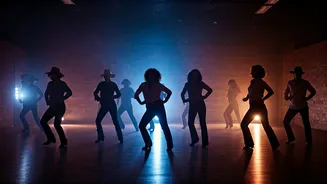
Line dancing, once associated exclusively with the rustic imagery of cowboys and dusty saloons, has shed its niche persona to become the latest viral choreography
sensation sweeping across the internet. Platforms like TikTok and Instagram are awash with videos showcasing individuals and groups performing dynamic line dances to an eclectic mix of music genres. This newfound virality has introduced the art of line dancing to a fresh demographic, igniting a widespread enthusiasm to learn the steps and participate in the joyful movement. Its inherent accessibility, requiring neither a dance partner nor extensive personal space, positions line dancing as an inclusive activity perfectly suited for participants of all ages and proficiency levels. The proliferation of online instructional content and engaging dance challenges has significantly amplified its popularity, fostering widespread adoption and encouraging a wave of creative expression among enthusiasts. The resurgence of this choreographed group dance underscores its enduring charm as a source of entertainment, social interaction, and invigorating physical activity.
Why the Surge?
The explosive popularity of line dancing can be attributed to several converging factors, making it an appealing activity in today's digital landscape. Primarily, it offers a highly enjoyable and interactive method of physical exercise that doesn't feel like a strenuous workout. The repetitive yet dynamic movements inherent in line dancing contribute to improved coordination, enhanced balance, and robust cardiovascular health. Beyond the physical benefits, the strong social element, whether experienced in live gatherings or through virtual communities, cultivates a powerful sense of belonging and interpersonal connection. Many of the viral routines are set to infectious, upbeat music, enhancing the learning and performance experience. Choreography is often crafted to be easily grasped by novices, while still providing sufficient depth to captivate more seasoned dancers. This blend of accessibility and engaging complexity ensures a broad appeal.
Cultural Shifts and Social Media
The current trend is significantly boosted by the broader cultural embrace of Americana, influencing fashion and entertainment. Brands are releasing collections inspired by cowboy aesthetics, and Western themes are reappearing in popular media. Country music's surging popularity, with billions of streams annually, provides a rich soundtrack for these dances. Furthermore, line dancing thrives on social media, with millions of videos demonstrating its appeal to a wide range of ages. Its suitability for short-form video content, where quick, repetitive moves can be easily digested and replicated, is a key driver of its online success. Mackenzie Katz notes that specific dance sequences can be seen multiple times in under 30 seconds, facilitating quick learning and sharing. This aligns perfectly with the fast-paced nature of platforms like TikTok. The appeal extends to evolving social habits, with many events now prohibiting drinks on the dancefloor to prevent slips, a policy that resonates with younger demographics who are drinking alcohol less frequently. Instead, they seek connection and a different kind of exhilaration.
Community and Connection
In an era often characterized by social atomization, line dancing provides a potent antidote, fostering a profound sense of community and shared experience. Participants, like 24-year-old Bylie, a regular at Desert 5 Spot, often attend alone, seeking connection within the collective energy of the dancefloor. The synchronized movements, the rhythmic shuffling and scuffing of boots, create an almost hypnotic effect that resonates deeply. Sean Monaghan, co-founder of Stud Country, a queer line-dancing event, describes the atmosphere as electric, with attendees shouting and cheering, generating an overwhelming sense of shared exhilaration. This palpable connection among dancers highlights line dancing's unique ability to bring people together, forging bonds through shared activity and synchronized expression. It offers a vibrant, inclusive space where individuals can find belonging and an uplifting sense of shared purpose, making the act of 'toeing the line' an unforgettably fun experience.