







Scale & Proportion Pitfalls
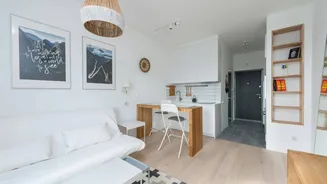
A common oversight that significantly impacts a living room's feel is neglecting the scale and proportion of furniture. When pieces are disproportionately
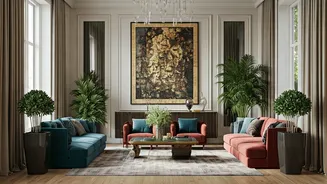
sized for the room, the entire space can feel unbalanced. Imagine cramming an oversized sectional into a compact apartment; it instantly overwhelms the area, creating a sense of confinement. Conversely, placing an abundance of small, delicate items in a vast living room can result in a sparse, disconnected aesthetic. It's essential to meticulously measure your living area and then thoughtfully select furniture that complements its dimensions. Consider the visual weight of each item and how it interacts with the room's overall size to ensure a harmonious and cohesive look. This deliberate approach prevents the space from feeling either cramped or hollow, establishing a more comfortable and inviting atmosphere that is key to a successful living room design.
The Missing Focal Point
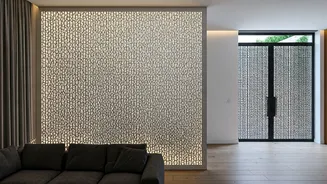
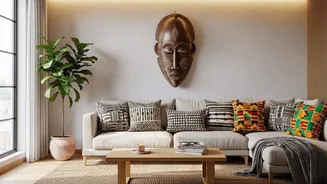
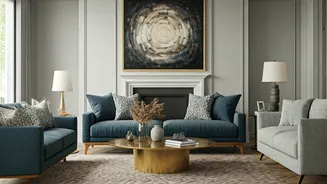
Every well-designed room needs a central element to capture attention and anchor the decor – a focal point. Without this visual anchor, a living room can easily feel aimless and disjointed, leaving guests unsure where to direct their gaze. This star of the show could be a striking fireplace, a captivating piece of oversized artwork, a dramatically styled accent wall, or even a meticulously curated bookshelf. Once this defining feature is established, the surrounding furniture should be arranged to complement and draw attention to it. This strategic placement creates a sense of purpose and direction within the room, guiding the eye and establishing a cohesive narrative for the space. A well-defined focal point ensures that the room feels intentional and thoughtfully composed, transforming it from a collection of furniture into a unified and engaging environment.
Illuminating Your Space
The role of lighting in a living room is paramount, dictating both the mood and the room's functionality. Relying solely on a single overhead light source often leads to harsh shadows and a sterile, unwelcoming ambiance. To achieve a more inviting and adaptable atmosphere, it's crucial to implement a layered lighting strategy. This involves combining ambient lighting for general illumination, task lighting to support specific activities like reading, and accent lighting to highlight architectural features or cherished decor. Furthermore, integrating dimmers offers the flexibility to adjust the lighting throughout the day, enhancing the room's versatility and allowing you to tailor the mood for any occasion. Thoughtful lighting design can transform a functional space into an aesthetically pleasing and comfortable sanctuary.
Balancing Clutter & Charm
Finding the right balance between personal touches and overwhelming clutter is a frequent challenge in living room design. A space that is too minimalist can feel cold and impersonal, lacking the warmth that makes a house feel like a home. On the flip side, an environment overloaded with knick-knacks and decorative items can appear chaotic and stressful. The key is thoughtful curation: display items that hold personal significance, but arrange them with intention. Utilizing decorative boxes or stylish baskets can effectively conceal everyday essentials, maintaining a tidy appearance. The ultimate aim is to foster a lived-in, personal atmosphere that feels welcoming and authentic, rather than resembling a sterile showroom or an overstuffed storage unit. This balance ensures the room feels both lived in and impeccably styled.
Flow and Functionality First
Beyond aesthetics, a living room must also serve its primary purpose effectively, catering to the lifestyle of its occupants. A visually stunning room loses its appeal if it's impractical to navigate or lacks sufficient seating. Careful consideration of traffic patterns is essential; furniture should be arranged to allow for unimpeded movement throughout the space, avoiding the obstruction of doorways or the creation of awkward pathways. Ensuring easy access to frequently used items also enhances the room's functionality. A well-designed living room harmoniously blends visual appeal with everyday utility, making it a space that is both beautiful to behold and a pleasure to use, fostering comfort and convenience for all who inhabit it.