






The Protein Problem
Weight management is a constant pursuit for many, with a plethora of diets and exercise fads promising quick fixes. However, experts consistently emphasize
that long-term success hinges on avoiding transient trends and focusing on science-backed nutritional strategies. Dr. Pal Manickam, a gastroenterologist, recently highlighted a significant error he made during his own weight loss efforts: not consuming enough protein. This oversight is more common than one might think and can have substantial downstream effects on metabolism and overall health. The key takeaway from experienced health professionals is to move beyond quick-fix mentalities and embrace sustainable practices that support physiological well-being, ensuring that the weight lost stays off and the body remains healthy.
Protein's Metabolic Role
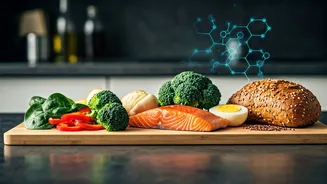
Insufficient protein intake can significantly impede weight loss efforts by directly impacting muscle mass, a critical component for maintaining a healthy metabolic rate. Ekta Singhwal, a dietician, explains that when protein is lacking, the body may break down muscle tissue for energy. This loss of muscle mass directly translates to a slower metabolism, making it harder to burn calories and potentially leading to weight gain. Furthermore, a deficiency in essential nutrients due to low protein can trigger increased food cravings and a higher susceptibility to illness. The elderly are particularly vulnerable to these effects, as muscle loss accelerates with age, exacerbating the metabolic slowdown and increasing health risks. Prioritizing adequate protein is therefore essential for both metabolic function and general well-being.
Calorie Awareness Matters
While protein is vital, simply increasing consumption without considering overall calorie intake can backfire, as Dt. Amreen Sheikh, chief dietitian, points out. If protein intake is elevated without a corresponding increase in muscle-building activities like strength training, the excess protein contributes to total calorie consumption. High-protein foods, though healthy, are calorie-dense. Consuming them in excessively large portions or through supplements like shakes and bars without adjusting activity levels can lead to a calorie surplus, hindering fat loss or even causing weight gain. The body utilizes protein for essential functions and muscle repair, but any surplus calories, regardless of their source, will be stored as energy if not expended.
Exercise Fuels Protein
Protein alone does not magically build muscle; it requires the right stimulus from exercise. Dt. Amreen Sheikh elaborates that strength or resistance training acts as the crucial signal for the body to develop and maintain muscle tissue. Without this signal, the protein consumed might be used for basic bodily functions or stored as excess energy. Therefore, exercise plays a pivotal role in dictating how the body effectively utilizes protein. To truly leverage the benefits of protein for muscle growth and a boosted metabolism, it must be paired with targeted physical activity, particularly strength training, to guide the body's protein synthesis and utilization processes.
Strategic Protein Pacing
The most effective strategy for incorporating protein into a weight loss plan is through 'protein pacing,' as recommended by Dr. Biju, Chief Medical Officer. This method involves consuming an optimal amount of protein at regular, consistent intervals throughout the day. It is generally suitable for most individuals, with exceptions for those suffering from protein metabolism disorders or specific kidney conditions requiring protein restriction. The core idea is to determine your daily protein needs based on body weight and activity levels and then distribute this total amount evenly across your meals. This consistent intake helps maximize benefits like sustained satiety, improved muscle preservation, and enhanced metabolic function throughout the day, preventing overconsumption at any single meal.
Protein's Calorie Impact
While not a direct fat burner, protein plays a significant indirect role in weight loss by enhancing satiety and curbing cravings, according to Dr. Biju. By including protein in each meal, individuals are less likely to overeat carbohydrates or consume excess calories. The thermic effect of food also contributes; protein digestion requires more energy than carbohydrate digestion, leading to a slight increase in calorie expenditure. This, combined with reduced overeating, helps create and maintain a calorie deficit, which is fundamental for effective and sustainable weight loss. Therefore, strategic protein consumption is a powerful tool for managing appetite and optimizing the body's energy balance.