








Policy Shift Explained
Thailand has enacted a substantial revision to its tourist entry regulations, notably discontinuing the previously offered 60-day visa-free access for
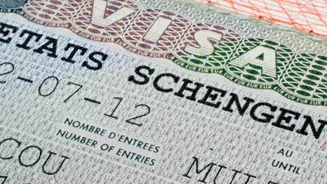
citizens of numerous countries, with Indian nationals being a key group affected. This strategic adjustment, effective from May 11, 2024, is designed not only to bring a more structured approach to visitor management but also to encourage longer-term stays and attract different traveler segments. The previous policy allowed citizens from 57 countries to enter visa-free for up to 60 days. Under the new framework, this duration has been halved to a 30-day visa exemption for these nationalities. Simultaneously, the country has introduced measures to cater to different travel needs, such as extending the Visa on Arrival period to 30 days for individuals from 19 specific countries. Furthermore, a new Long-Term Resident (LTR) visa program has been launched, targeting high-net-worth individuals, retirees, remote workers, and highly skilled professionals, offering a decade-long stay with added benefits like digital work permits and expedited immigration processing. These overarching changes are fundamentally rooted in Thailand's objective to bolster its vital tourism industry, which is a cornerstone of its economy, by attracting a broader spectrum of tourists and thereby increasing revenue and fostering sustainable tourism development.
Indian Traveler Impact
For Indian travelers, the recent policy changes represent a significant departure from the relaxed entry norms previously available. India has lost its temporary 60-day visa-free status, meaning passport holders must now obtain either a Visa on Arrival (VoA) at the airport or apply for an e-Visa online prior to their journey. The e-Visa application process, which can be completed on the official Thai e-Visa portal three to five days before departure, incurs a processing fee of approximately 2,500 THB (around ₹5,800). Under the reinstated VoA system, the maximum permitted stay per entry is now strictly limited to 15 days, a considerable reduction from the former 60-day allowance. Travel industry experts suggest that this shift will likely influence spontaneous and budget-friendly trips due to the added costs and administrative requirements. The necessity for pre-planning and documentation is expected to make quick getaways less feasible. While the core attractions of Thailand, such as its proximity to India, affordability, hospitable culture, and diverse tourist activities, are expected to maintain its popularity, the impact on longer stays, multi-city itineraries, and digital nomad travel may lead some individuals to consider alternative destinations like Malaysia, Vietnam, Sri Lanka, or Bali, which offer more lenient entry conditions.
Implementation and Updates
The newly implemented visa regulations officially took full legal effect exactly 15 days following their publication in the Royal Gazette, Thailand's official public journal. It is crucial for travelers to understand that these new rules are not retroactive. Consequently, any individual who entered Thailand under the prior visa exemption scheme will be permitted to remain in the country until the expiration date officially stamped on their passport. For those planning future trips, it is highly recommended to consult the most current advisories directly from the official Thai Ministry of Foreign Affairs portal (consular.mfa.go.th) before finalizing any non-refundable bookings for accommodation or domestic travel within Thailand. This proactive approach ensures travelers are equipped with the most up-to-date information to navigate the revised entry requirements smoothly and avoid any unforeseen complications during their travel planning and execution.
Context of the Change
The decision to overhaul Thailand's visa policies stems from a strategic pivot following an earlier expansion aimed at revitalizing its tourism-dependent economy after the pandemic. In July 2024, Thailand had significantly broadened its visa-exemption list to include 93 nations and doubled the permissible stay to 60 days. This liberalization led to a surge in tourism, positioning Thailand as a prime destination for Indian families, wedding celebrations, and short getaways. However, this relaxed approach inadvertently created considerable challenges for local law enforcement agencies. In recent months, Thai authorities observed a marked increase in criminal activities, including the operation of online scam hubs, clandestine businesses run by foreign nationals disguised as tourists, and widespread instances of visa overstays. Compounding these issues were highly publicized social media incidents featuring tourists exhibiting disruptive behavior, such as vandalizing cultural sites and engaging in public disturbances. These events generated substantial public pressure on the government to implement stricter controls and enhance border security, leading to the current policy revision.