





The Ubiquitous Kitchen Staple
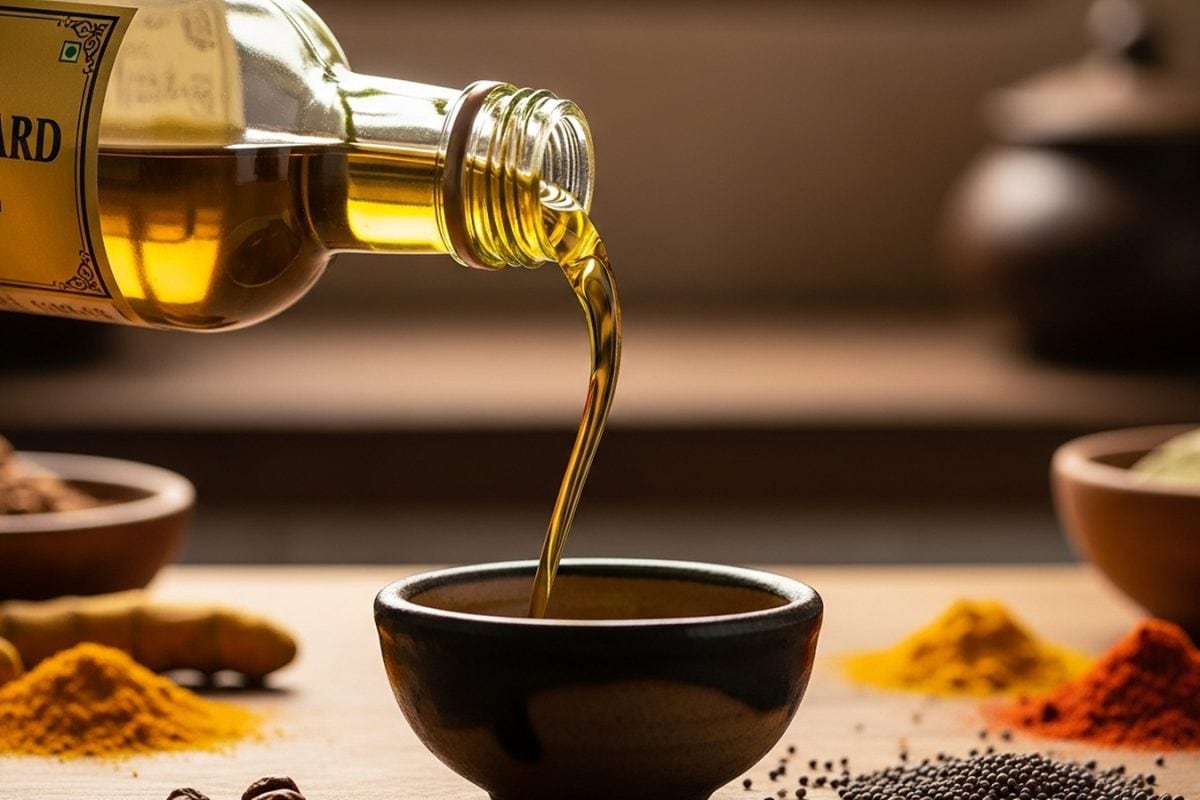
Mustard oil is an indispensable ingredient in many Indian kitchens, a culinary workhorse found in nearly every pantry. Its pungent aroma and sharp flavor
profile are central to countless traditional dishes, from vibrant tadkas that sizzle to tangy pickles that preserve. However, this everyday staple has recently come under scrutiny, with growing concerns about its authenticity. Consumers are increasingly questioning whether the oil they habitually use is as pure and wholesome as it purports to be, prompting a closer examination of this fundamental cooking medium. The reliance on mustard oil is so ingrained that its purity is often taken for granted, but recent reports from food safety bodies highlight that adulteration is a significant issue, affecting numerous households across the country.
Why Purity Matters
The presence of adulterants in mustard oil is a serious concern that extends beyond mere alterations in taste and aroma. Pure mustard oil is known for its distinctive pungency and sharp undertones, which contribute significantly to the character of many Indian cuisines. When this oil is mixed with cheaper alternatives or synthetic substances, these defining sensory qualities are diminished, leading to a muted and less authentic culinary experience. More critically, these adulterants can pose considerable health risks if consumed consistently over time. The subtle changes in flavor are often the first indication that something is amiss, but the long-term impact on well-being due to regular exposure to unlisted additives is a more profound worry, emphasizing that the issue is not just about culinary perfection but also about safeguarding personal health.
The Simple Fridge Test
Fortunately, a straightforward method exists to conduct a preliminary check on your mustard oil right in your own kitchen, requiring only your refrigerator and a transparent container. Begin by pouring a modest quantity of the oil into a clean, see-through bowl. Place this bowl in the refrigerator for approximately one to two hours. Pure mustard oil typically maintains a clear and homogenous consistency, showing no significant changes. Conversely, if the oil exhibits cloudiness, a distinct separation of layers, or solidifies into distinct patches, it strongly suggests that other oils have been blended into it. While this isn't a definitive laboratory analysis, it serves as an effective initial screening tool, capable of raising immediate suspicion about the oil's integrity.
Sensory Clues and Packaging
Beyond the refrigerator test, your own senses can be valuable allies in identifying potential adulteration in mustard oil. Pay close attention to its aroma; a significantly dulled or absent smell, compared to the characteristic pungent fragrance of pure mustard oil, can be a telltale sign. Similarly, an unusually light color or a lack of the expected sharp 'bite' when tasted can indicate dilution. The texture of the oil also provides clues: it should feel consistently smooth and not excessively greasy or unusually thin. Furthermore, the packaging itself can offer some insight. Opting for products from reputable brands, ensuring proper and complete labeling, and looking for recognized certification marks can provide a degree of reassurance. However, it is important to remember that even these indicators are not entirely foolproof, and vigilance remains key.
Embracing Ingredient Awareness
The growing concern over mustard oil purity reflects a broader and significant shift in how consumers approach their food choices. There's an increasing demand for transparency and quality in ingredients, leading to a rise in interest towards methods like cold-pressing, which are known to retain more natural nutrients and flavors. Smaller producers who often emphasize traceable sourcing and traditional methods are also gaining traction as consumers seek more reliable options. In today's evolving culinary landscape, where ingredient consciousness is paramount, the purity of what goes into our food is becoming as vital as its taste and flavor profile. This heightened awareness encourages a more mindful selection of cooking oils and other pantry staples.