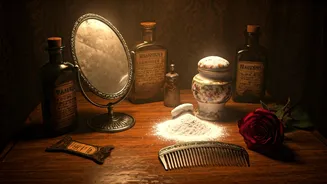








Ingested Poisons
In the 19th century, the quest for a flawless, pale complexion led some individuals to ingest arsenic. Marketed as 'complexion wafers,' these substances
were believed to enhance beauty by achieving a ghostly pallor. However, this dangerous practice came with severe consequences, including increased susceptibility to cancer, irreversible damage to vital organs, and acute poisoning. The belief that beauty was worth this extreme risk underscores a deeply ingrained societal pressure to conform to certain aesthetic standards, even at the cost of one's well-being. This trend illustrates a time when scientific understanding of toxins was limited, and the allure of perceived beauty overshadowed demonstrable health hazards, leaving a legacy of cautionary tales about the pursuit of an unnatural ideal.
Foot Deformity
For centuries, particularly in China, the practice of foot binding was a widely accepted custom, considered a symbol of beauty, social status, and desirability for women. Young girls, often starting in childhood, had their feet meticulously and painfully bound with tight bandages. This process deliberately broke the bones in their feet, contorting them into a small, delicate shape that was then hidden within elaborately decorated shoes. The physical repercussions were devastating and lifelong, leading to chronic pain, severe mobility issues, and an increased risk of infection due to the constant pressure and restricted circulation. Women subjected to this practice were often unable to walk without considerable difficulty, yet it persisted for generations, demonstrating the profound impact cultural ideals of femininity could have on physical bodies.
Lead-Based Paleness
Achieving an ethereally pale complexion was a paramount beauty goal for many throughout history, leading to the widespread use of lead-based powders like 'Venetian ceruse.' This cosmetic was highly effective at masking blemishes and creating the desired alabaster skin tone. However, the lead in these powders was readily absorbed into the skin and then into the bloodstream. The insidious effects of this prolonged exposure included gradual hair loss, significant damage to the nervous system, and, in severe cases, a fatal outcome. The superficial perfection offered by lead powder masked a deadly internal assault, highlighting the dangerous paradox of using toxic substances to enhance appearance, a trend that persisted until the severe health risks became undeniable.
Nightshade's Allure
The pursuit of a captivating, wide-eyed gaze led women to employ a highly toxic plant extract: belladonna, also known as deadly nightshade. A few drops of this liquid were used as eye drops to dilate the pupils, creating a mesmerizing, 'dreamy' appearance that was considered the epitome of beauty. This cosmetic trick, however, came with extreme risks. Beyond the temporary blurred vision that was often a byproduct, users faced the possibility of systemic toxicity, impacting bodily functions. In the worst-case scenarios, the potent alkaloids in nightshade could lead to permanent blindness, a stark reminder that the quest for beauty could lead to irreversible physical harm and sensory loss.
Radioactive Glow
In the early 20th century, a new and terrifying beauty trend emerged with the incorporation of radium into cosmetics, promising a radiant, 'glowing' complexion. Products ranging from creams to lotions were infused with this radioactive element, applied directly to the skin with the belief that it would enhance vitality and appearance. The reality, however, was far more sinister. Users were unknowingly exposed to dangerous levels of radiation, leading to severe long-term health consequences. This included an increased risk of various cancers and other radiation-related illnesses. The use of radium in beauty products represents a particularly chilling example of how scientific discovery, when misunderstood or applied without caution, can lead to devastating public health crises in the name of aesthetics.
Corsets' Constriction
The desire for an exaggerated hourglass figure fueled the extreme practice of tight-lacing corsets, a fashion staple for centuries. These garments were cinched to incredibly restrictive levels, drastically altering the wearer's natural silhouette. The physical toll was immense: breathing became severely impaired due to the compression of the lungs and diaphragm, ribs were often forced out of alignment, and internal organs were displaced from their natural positions. This chronic constriction could lead to frequent fainting spells, digestive issues, and a range of long-term health problems. The pursuit of this idealized body shape often meant sacrificing basic physical comfort and bodily function, showcasing the lengths to which fashion could demand physical sacrifice.