



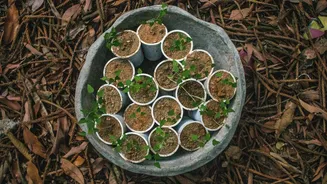
Speedy Fruit Tree Choices
For gardeners eager for immediate rewards, choosing the right fruit tree is key. While some fruit-bearing trees demand patience, maturing over a decade,
many others are genetically predisposed to vigorous growth and early fruit production. These selections offer the joy of homegrown fruit within just a few years, providing a rewarding experience for those who wish to see tangible results from their horticultural efforts. Selecting from these faster-growing options ensures a more consistent and timely harvest, making your gardening endeavors more fulfilling. The article highlights several such trees, focusing on those that can start bearing fruit within a significantly shorter timeframe compared to their slower-maturing counterparts. This approach allows for earlier enjoyment of fresh produce, catering to the impatience of many home growers and offering a quicker path to a bountiful fruit yield. Understanding the growth habits of different varieties is crucial for maximizing your garden's potential and ensuring a delightful and timely harvest season after season.
Citrus Gems for Quick Fruit
In warmer climates, citrus trees offer a remarkable advantage for impatient gardeners. The Calamansi, also known as Calamondin, is a standout performer, producing tiny, tart, tangerine-like fruits. These self-pollinating trees can thrive outdoors in subtropical conditions and yield fruit year-round, often bearing within one to two years of planting. Dwarf Meyer Lemon trees are another excellent choice, especially for smaller spaces. While seedlings take longer, grafted specimens can deliver their first harvest in as little as a year. These compact, self-fertile trees typically reach 5–10 feet in height and width, requiring full to part sun and flourishing in USDA zones 8-11. Their fruits are ready when deep yellow, usually in late winter or early spring. These citrus varieties not only provide quick fruit but also add a touch of the exotic to any garden, bringing continuous harvests with minimal waiting.
Stone Fruits and Tempting Figs
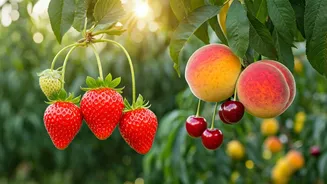
For those who appreciate stone fruits and the sweet allure of figs, several varieties offer swift satisfaction. Peach trees are celebrated for their rapid development and generous fruiting. While those grown from seed might take up to four years, vegetatively propagated trees can yield fruit in as little as two years. Mature trees can range from 4 to 25 feet tall and wide, demanding full sun and thriving in zones 5-9, with harvests typically occurring from June to August. Plum trees, particularly specific cultivars, are also quick growers, potentially bearing fruit within three to five years. Apricot trees follow suit, generally growing fast and producing fruit between two and five years post-planting, though warmer climates may require 'low-chill' varieties like 'Katy' to ensure adequate winter chilling hours for fruiting. Fig trees are a dream for the impatient, capable of developing fruit in just two to three years. Dwarf varieties are also available, ideal for containers or compact gardens, growing between four and ten feet tall and yielding fruit in late summer.
Apples, Pears, and Tropical Delights
Apples and pears, staples in many fruit-lover's diets, can also offer relatively quick harvests when the right varieties are chosen. Dwarf apple trees are particularly well-suited for rapid fruiting, often beginning to bear within two to three years of planting, whereas standard trees might take up to eight years. It's important to remember that most apple trees require a second tree for cross-pollination. Similarly, many pear varieties can fruit within three years, though some may take as long as ten. Many pear cultivars come in dwarf or semi-dwarf sizes, making them suitable for smaller gardens. For a taste of the exotic, consider the Pawpaw tree. This native North American species, offering sweet, custardy fruits, can surprisingly start producing within four years. However, pawpaws are not self-fertile and require both a male and a female tree to bear fruit. These trees typically reach 15-25 feet in height and width, preferring full to part sun and thriving in zones 5-9, with harvests in summer and fall.
Unique Fruiting Wonders
Beyond the more common orchard fruits, several unique trees also provide speedy harvests and distinctive flavors. Loquat trees, native to China, offer juicy, sweet fruits and can bear fruit within one to two years if grown from cuttings. Dwarf varieties are available, reaching up to 5 feet tall. In warmer climates, Loquats thrive in full sun within USDA zones 7-11, yielding fruit in spring. Persimmon trees, specifically grafted Asian varieties (Diospyros kaki), typically take five to seven years to fruit. Non-astringent types are recommended for immediate enjoyment while the fruit is still firm. These trees can grow 10-30 feet tall, needing full sun and hardy in zones 7-10, with harvests in late summer and fall. Finally, Quince trees (Cydonia oblonga) are valued for their fragrant pome fruit, which is excellent when cooked into preserves and desserts, though the raw fruit is firm and astringent. Quince trees generally begin fruiting five to six years after planting, reaching mature sizes of 13-20 feet tall and wide, preferring full sun and hardy in zones 5-9, with fall harvests.
Maximizing Early Fruit Yields
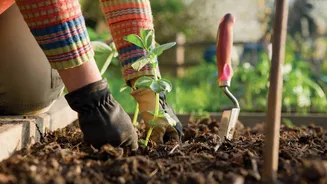
To ensure your fast-growing fruit trees reach their fruiting potential quickly, several key practices are essential. Firstly, selecting the right variety is paramount; opt for cultivars specifically noted for their rapid growth and early fruit production, often found on dwarf or semi-dwarf rootstocks. Proper planting techniques are also crucial, ensuring the tree is established at the correct depth in well-draining soil to prevent root issues. Adequate sunlight is non-negotiable, as most fruit trees require a minimum of 6-8 hours of direct sun daily to photosynthesize effectively and produce fruit. Consistent watering, particularly during the tree's formative years, is vital for its establishment and development. Utilizing a balanced fertilizer will support healthy vegetative growth and promote robust fruit formation. Strategic pruning not only shapes the tree but also encourages fruit production and maintains overall health. Finally, vigilant pest and disease management will prevent setbacks and ensure the tree can dedicate its energy to producing delicious fruit. By adhering to these guidelines, gardeners can significantly accelerate the timeline to their first bountiful harvest.