





The Canteen Craze
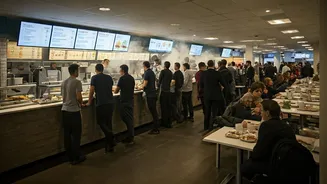
The office canteen, often a hub of activity during lunchtime, presents its own unique set of trials for the employees. The primary challenge is often the overwhelming
crowds that gather simultaneously. As the clock strikes noon, or the designated lunch hour commences, a mass migration occurs towards the food counters. This creates long queues, snaking through the space, where individuals must patiently await their turn. The urgency to secure a spot and grab food often leads to a frantic atmosphere, which can detract from the relaxing break intended. Time constraints also add to the pressure, as workers aim to eat and utilize their remaining time before returning to their tasks. Moreover, in smaller offices or those with limited seating, finding a space to enjoy one's meal can turn into another competitive endeavor, adding another layer of complexity to the seemingly simple act of having lunch.
Food Frenzy Factors
Another pivotal aspect of the lunch hour struggle is the limited availability of food choices. Office canteens are typically designed to cater to a large population. They often offer a set menu or a buffet-style approach. Choices can be dictated by the budget, space constraints, and dietary preferences of the staff. Limited variety may result in individuals having few options. The lack of diversity leads to monotony, where employees are compelled to consume the same dishes repeatedly. Healthier options may also be few or may not cater to specific dietary requirements like vegan or gluten-free meals. This constraint forces workers to make compromises. Some employees may not have the capacity to prepare their own meals from home, leaving them dependent on what the canteen provides. All these aspects can cause dissatisfaction. These are the food-related hurdles employees have to overcome during the limited lunch hour window.
Navigating The Chaos
The canteen environment itself contributes to the lunchtime struggle. The combination of dense crowds and a hurried atmosphere can create a stressful environment. The noise levels of multiple conversations can be overwhelming. The constant movement of individuals and the competition for space heighten the feeling of a chaotic environment. In addition, the efficiency of the service staff impacts the pace of the lunch hour. Long wait times can reduce the time employees have to eat, causing them to rush their meals, which is not conducive to digestion. Dirty tables and limited cleanup resources add an unhygienic element. This is why employees often find themselves navigating a maze of challenges. Some employees may resort to eating at their desks or outside the canteen altogether, which is a symptom of these broader systemic issues. A peaceful and enjoyable lunch period is the goal; however, the reality is frequently different.
The Common Experience
The relatable nature of the lunchtime struggle at the office creates a shared bond amongst employees. It serves as a universal experience, irrespective of the company size or industry. Every day, employees find themselves in situations which echo the daily challenges. These shared encounters, whether they involve the scramble for food, the long queues, or the limited options, create a common ground where individuals can relate with one another. These moments of collective struggle foster a sense of solidarity and shared understanding. When employees encounter these situations, they often exchange knowing glances or share humorous anecdotes about their experiences. It is in these shared experiences that the office environment takes on a more human aspect. By acknowledging these relatable moments, companies can create a more inclusive and supportive work environment. This could translate to improved satisfaction amongst the employees, which could impact the company as a whole.