







A Royal Culinary Journey
The genesis of the narrative pivots around a chef from Lucknow, whose extraordinary culinary prowess gained the attention of the British monarchy, especially
Queen Victoria. This Lucknowi chef, deeply rooted in the traditions of Awadhi cuisine, possessed a rare talent for crafting dishes that were both sophisticated and profoundly flavorful. His food was not merely sustenance; it was an experience, a celebration of flavors and aromas that transported diners to a world of culinary enchantment. The chef's ability to blend spices, textures, and aromas into harmonious, unforgettable dishes set him apart. His mastery extended beyond the recipes; he also understood the importance of presentation, creating visually stunning meals that mirrored the culinary delights' magnificence. The culmination of his efforts was the invitation to prepare a feast for the Queen, which served as a pivotal moment, cementing his legacy in the annals of culinary history.
Awadhi Cuisine Unveiled
Awadhi cuisine, originating from the city of Lucknow, is renowned for its rich flavors, delicate aromas, and intricate cooking techniques, and it played a pivotal role in the chef’s success. The cuisine is defined by its slow-cooking methods, such as 'dum pukht', where food is cooked in sealed containers over a low flame, allowing flavors to meld and intensify. The use of aromatic spices, like saffron, cardamom, and cloves, combined with rich ingredients such as nuts, cream, and ghee, imparts a luxurious mouthfeel and complex flavors. The chef's meticulous approach to selecting the freshest ingredients, combined with traditional methods passed down through generations, allowed him to prepare authentic Awadhi dishes. Every element, from the selection of meats and vegetables to the preparation of gravies and rice, was approached with precision. This dedication to tradition and quality became a hallmark of his cooking, distinguishing him from other chefs and contributing to his eventual recognition by the royal family.
Queen Victoria's Culinary Delight
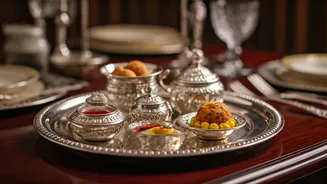
The invitation to cook for Queen Victoria represented the apex of the chef's career, and it also put Awadhi cuisine on the global culinary map. The preparation of the royal meal was a meticulously planned undertaking, a chance to display the finest of Lucknow’s gastronomy. The chef and his team carefully prepared a selection of dishes, each showcasing the depth and diversity of Awadhi cuisine. Among the dishes featured were delicately spiced kebabs, flavorful biryanis, and rich curries, all tailored to the Queen's palate. Each dish was designed to evoke a sense of occasion, employing both flavour and aesthetics. The royal banquet became a topic of discussion among the court, with anecdotes of the dishes and aromas. The positive reception was testament to the chef's culinary expertise, and more importantly, it helped foster a greater appreciation for Indian cuisine within the royal circle. This recognition elevated the status of both the chef and Lucknow’s culinary heritage, symbolizing a noteworthy moment in the history of Indo-British relations.
Legacy and Influence
The legacy of this Lucknowi chef transcends the confines of his kitchen; it has had a far-reaching influence on Indian cuisine, particularly in the Awadhi style. His dedication to using traditional methods, emphasis on quality ingredients, and his creative approach have inspired generations of chefs. His dishes, the techniques he used, and his commitment to culinary excellence continue to be celebrated. This chef's ability to introduce Awadhi cuisine to an international audience, particularly the British royalty, played a crucial role in promoting Indian food. Today, his influence is evident in modern interpretations of Awadhi dishes, highlighting the enduring value of his culinary legacy. His story is a tribute to the power of food to bring cultures together, and this story will continue to inspire a new generation of chefs to appreciate culinary heritage.