







Balance and Takeoff
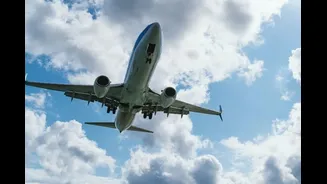
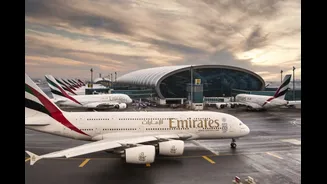
Airlines meticulously calculate the 'Weight and Balance' of an aircraft before every flight. This essential procedure ensures the plane's center of gravity
remains within safe parameters for a stable departure. When passengers decide to relocate without authorization, especially on smaller or less occupied flights, this can subtly but significantly alter the aircraft's equilibrium. The goal is to prevent the plane from being too 'nose heavy' or 'tail heavy,' ensuring it remains perfectly balanced. Even a few individuals shifting their weight can disrupt this delicate balance, potentially affecting takeoff performance. Therefore, respecting assigned seats is paramount for maintaining flight safety from the moment the engines start.
Passenger Manifest Vital
The passenger manifest serves as more than just a list of names; it's a crucial safety tool for flight attendants and ground crew. In emergency situations or during medical incidents, this document is indispensable for quickly identifying individuals, accessing their contact details, and coordinating assistance effectively. Furthermore, passengers with specific needs, such as those with disabilities, pre-existing medical conditions, or unaccompanied minors, are often strategically positioned for easier access and support. Deviating from assigned seating can obscure these arrangements, complicating rapid response and potentially hindering the provision of necessary aid when it's most critical.
Paid Seats Explained
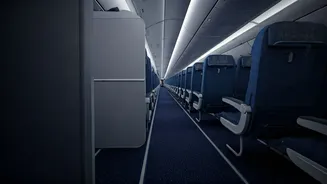
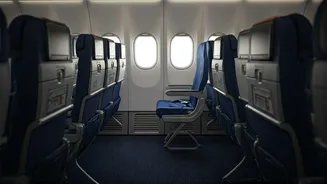
That seemingly vacant seat might not be truly 'free' for the taking. Many airlines allocate seats based on passenger preferences chosen during booking, often with associated fees. Window seats, extra legroom, or exit row positions, for instance, can be paid upgrades. Moving into such a seat without authorization means potentially occupying a space someone has paid for but has not yet boarded. This not only infringes on another passenger's entitlement but can also lead to confusion and congestion in the aisles during the boarding process, disrupting the orderly flow of passengers embarking on the aircraft.
Exit Row Rules
Seats in exit rows come with specific responsibilities and are subject to stricter regulations. Occupants must be physically capable of assisting in an emergency and are required to undergo a safety briefing. Flight attendants are diligent about ensuring these seats are occupied by suitable individuals, and unauthorized moves to these areas are therefore prohibited. Similarly, premium cabins like business and first class, along with premium economy sections, are tied to specific fare categories. These are not simply communal spaces for passengers to occupy freely; they represent a paid service that cannot be accessed without the appropriate ticket.
When to Ask
While unauthorized seat changes are discouraged, there are appropriate times to inquire about moving. After boarding is nearly complete and flight attendants have a clearer picture of the passenger count, you can politely ask if a move to an empty seat is permissible. It's best to wait until after the 'Boarding Complete' announcement or when the cabin door is closed. The ideal window is often after the seatbelt sign is switched off. The key is to always ask first and never assume. Expressing your request politely and mentioning 'after boarding is complete' significantly increases the likelihood of a positive response if the move doesn't impact safety or paid seating arrangements.