




Saline Soak Magic
A simple saline solution can be a powerful ally in your kitchen for cleaning produce. By mixing 1 to 2 teaspoons of common table salt into a generous bowl
of water, you create an environment that aids in dismantling pesticide residues clinging to the surface of your vegetables. Allowing your produce to soak in this mixture for about 10 to 15 minutes is generally sufficient. This gentle yet effective method not only helps to lift and loosen these unwanted chemicals, making them easier to rinse away, but it also helps maintain the freshness and integrity of the vegetables, ensuring they remain crisp and appealing for your culinary creations.
Baking Soda's Gentle Touch
Baking soda, a staple in many households, offers a remarkably effective and gentle way to tackle pesticide residues. Dissolve a single teaspoon of baking soda into a bowl filled with water. Submerging your vegetables in this solution for a period of 10 to 15 minutes allows the mild alkalinity of the baking soda to work its magic. This process is adept at neutralizing a wide spectrum of pesticide contaminants without causing any adverse effects on the vegetables' texture or their natural flavour profile. It's a fantastic method for ensuring your produce is clean and safe for consumption, preserving its inherent quality.
The Power of Running Water
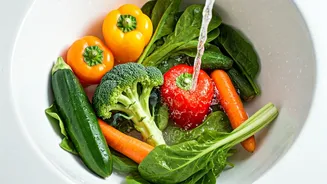
Sometimes, the most straightforward approach is also the most effective. A thorough rinse under actively flowing water for at least 20 to 30 seconds is a fundamental step in cleaning your produce. The physical force of the running water plays a crucial role in dislodging and washing away surface dirt, dust, and a significant portion of pesticide residues. This method is incredibly accessible for most kitchens and serves as a primary line of defense against contaminants, providing a quick and easy way to improve the cleanliness of your vegetables before they reach your plate.
Peeling and Scrubbing
For produce with thicker skins, such as carrots or cucumbers, peeling away the outer layer can be a highly efficient method for removing accumulated pesticides. This process essentially discards the part of the vegetable where these residues are most likely to concentrate. For items where peeling might remove too much, a gentle scrub using a vegetable brush is an excellent alternative. This physical action helps to lift away dirt and surface contaminants without damaging the produce. While it removes the outer layer, the nutritional impact is minimal, offering an enhanced layer of safety for your family's meals.
Heat for Cleanliness
Applying heat can be a surprisingly effective technique for reducing pesticide residues on vegetables. A quick blanch or boil for a duration of 2 to 5 minutes can help to break down certain types of pesticide contaminants. Beyond its cleaning benefits, this process also softens the vegetables, preparing them for further cooking. This method is particularly well-suited for tender produce like leafy greens, where it can efficiently cleanse and tenderize simultaneously, adding a layer of safety to your prepared dishes.
Vinegar's Acidic Clean
Harnessing the acidic properties of vinegar offers another potent method for cleaning your vegetables. A mixture comprising one part white vinegar to three parts water creates a cleaning solution capable of breaking down pesticide residues and other microbial contaminants on the surface of produce. Soaking your vegetables in this solution for approximately 10 to 15 minutes is recommended. It's crucial to ensure a thorough rinse afterward to eliminate any residual vinegar taste, leaving your produce clean and ready for use.
Lemon Water Refresh
The natural acidity of lemons provides a refreshing and effective way to cleanse your vegetables. Adding lemon slices or about 2 to 3 tablespoons of lemon juice to a bowl of water creates a fragrant and potent cleaning solution. Soaking your produce in this lemon-infused water for 5 to 10 minutes can help reduce pesticide residues. This method not only cleanses but also imparts a fresh, citrusy aroma and taste, enhancing the overall appeal of your vegetables.
Leafy Green Protocol
When dealing with leafy vegetables like spinach or lettuce, a specific approach can enhance cleanliness. Begin by discarding any outer leaves, as these often bear the brunt of surface contaminants. Subsequently, soak the remaining, inner leaves in clean water. This targeted removal and soaking process helps to eliminate a significant portion of pesticides that tend to accumulate on the exterior surfaces, ensuring your salads and cooked dishes are made with safer, cleaner greens.
Commercial Wash Options
For those seeking an additional layer of assurance, commercially produced fruit and vegetable washes are available. These specialized solutions are formulated with the express purpose of removing pesticide residues, dirt, and surface waxes from produce. Following the product's instructions carefully will provide a convenient and often highly effective means to ensure your vegetables are thoroughly cleaned, offering peace of mind for health-conscious consumers.
Steam for Surfaces
Lightly steaming vegetables serves as an additional step that can aid in the removal of surface pesticides. The gentle heat from the steam helps to loosen and lift contaminants from the produce's exterior, making them easier to wash away in subsequent rinsing. This technique is particularly beneficial for delicate items or leafy vegetables, as it works to clean them while also preserving their valuable nutrients and maintaining their delicate structure.