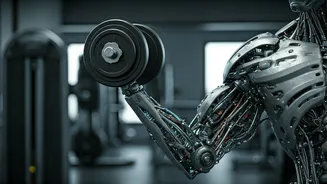

AI Workout's Allure
Artificial intelligence is increasingly integrated into various aspects of our lives, and the fitness industry is no exception. AI-powered workout programs
promise personalized fitness routines, tailored to individual needs and goals. This technology leverages algorithms and data analysis to create exercise plans that supposedly maximize efficiency and results. The appeal lies in the convenience and accessibility – instant workout plans available at your fingertips, eliminating the need for expensive personal trainers or lengthy research. Furthermore, AI often incorporates user feedback, continuously adjusting the program to align with the individual's progress and physical condition. This dynamic aspect can make workouts feel more adaptive and engaging, potentially boosting adherence and achieving fitness objectives.
The Data Dilemma
While AI workout systems offer tantalizing prospects, their effectiveness hinges on the quality and comprehensiveness of the data used. AI algorithms rely on massive datasets to generate workout plans, but these datasets may not always represent the diversity of the user population. Factors like age, pre-existing health conditions, and fitness levels vary greatly, and the AI's ability to create suitable plans for each person depends on the data it has access to. Additionally, the accuracy of the data input by users directly impacts the quality of the resulting workout. Inaccurate self-assessments or incomplete information can lead to inappropriate exercise prescriptions, potentially increasing the risk of injury or suboptimal outcomes. Therefore, users must approach AI-generated workout plans with a critical eye, ensuring the system considers individual characteristics and providing accurate and comprehensive information.
Customization Considerations
AI's promise of personalization is a major selling point, but true customization goes beyond simple algorithms. A well-designed AI workout program should consider individual fitness levels, workout preferences, and exercise experiences to create truly tailored plans. For example, individuals new to exercise might require modifications and less strenuous activities compared to experienced athletes. The program should offer varied options, allowing users to select exercises they enjoy and can perform safely, accommodating limitations or preferences. Furthermore, AI should adapt to the user's progress. It should not only track performance metrics like weight lifted or repetitions completed but also consider factors such as perceived exertion, muscle soreness, and overall fatigue. By integrating this real-time feedback, the AI can adjust the workout, progressing as needed and preventing overtraining. Users should carefully assess how much customization the AI provides and make sure it aligns with their individual needs and fitness objectives.
Safety First Approach
Safety should be the top priority when considering any workout program, especially those designed by AI. Before embracing an AI-generated workout plan, users should consult with a healthcare professional, especially if they have pre-existing health conditions or concerns. This helps ensure that the chosen exercises are safe and appropriate for their physical state. Similarly, users should meticulously evaluate the AI system's safety features. Does it provide clear instructions on proper form and technique for each exercise? Does it offer modifications for different fitness levels? The program should also incorporate a mechanism for preventing overtraining, which can lead to injuries. Users must also be cautious of using an AI program without understanding the underlying principles of exercise. Relying solely on the AI without consulting other credible sources can lead to misinterpretations or dangerous habits. Remember, AI is a tool, not a substitute for professional guidance and personal judgment.
Realistic Expectations
It is important to approach AI workout programs with realistic expectations. While AI can be a valuable tool in creating workout routines and tracking progress, it is not a magical solution. Fitness results depend on consistent effort, proper nutrition, and adequate rest. AI can help optimize workouts but cannot substitute for the effort and dedication required to achieve fitness goals. Users should carefully examine the AI program's claims and be wary of unrealistic promises of rapid transformation. Fitness is a journey, not a destination, and results take time and consistent effort. Furthermore, recognize the limitations of AI. It cannot replace the nuanced guidance and personalized attention of a qualified human trainer. Human trainers can provide motivation, spot potential issues with form, and provide support in ways that AI simply cannot.