





Cardboard's Cellulose Trap
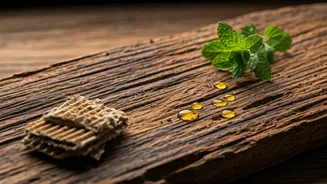
Termites possess an insatiable appetite for cellulose, making cardboard an irresistible lure. To implement this natural deterrent, gather old shipping
boxes and thoroughly dampen them with water until they become saturated. Strategically place these soggy cardboard stacks near areas where termite activity is observed. The moisture acts as a powerful attractant, drawing the termites out from wooden structures and into the cardboard. Once the cardboard is visibly teeming with these pests, carefully remove it from your home and dispose of it by burning it outdoors. This method leverages the termites' inherent dietary preferences to effectively trap and eliminate them without any chemical intervention, addressing the infestation at its source by drawing the pests away from your valuable wooden possessions.
The Three-Day Sun Treatment
Termites are inherently averse to light and high temperatures, making intense sunlight a potent weapon against them. For wooden items like chairs, tables, or chests that have become infested, relocate them outdoors to a sunny spot, such as a balcony or terrace. It is crucial to expose these items to the direct, midday sun for a continuous period of three days. This prolonged exposure to heat and UV radiation helps to thoroughly dry out the wood, effectively baking the termites and any developing colonies within it. This free and environmentally friendly approach acts as a powerful, natural 'UV treatment,' desiccating the pests and rendering the wood uninhabitable for them, offering a simple yet highly effective solution for smaller infested items.
Neem Oil's Gradual Effect
Neem oil, a staple in traditional Indian remedies for various ailments, also serves as an effective, albeit slow-acting, termite deterrent. Instead of immediate eradication, neem oil works by disrupting the termites' hormonal balance, leading to a cessation in their feeding and reproductive cycles. To apply, liberally coat the infested wooden surfaces with the oil. This method is safe for households with children and pets, and its natural, earthy aroma is considerably more pleasant than the harsh chemical smells often associated with professional pest control services. By consistently applying neem oil, you create an environment that is inhospitable to termites, leading to a gradual decline in their population and damage to your property over time.
Vinegar and Lemon Solution
For localized termite issues, such as a small section of a cabinet, a potent combination of common kitchen ingredients can be employed. Mix approximately half a cup of white vinegar with the freshly squeezed juice of two lemons. This acidic concoction should then be directly sprayed into any visible termite holes or entry points. The natural acids present in both vinegar and lemon juice are highly effective in eliminating termites upon direct contact. While this method is best suited for addressing smaller, contained infestations, it provides a quick and accessible 'spot cleaning' solution for shelves, drawers, or other wooden components, preventing the spread to unaffected areas without the need for more drastic measures.
Harnessing the Power of Borax
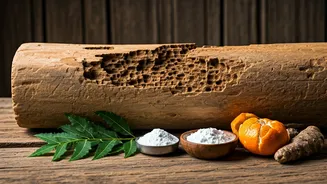
Borax powder, readily available at most hardware stores, offers a powerful, natural method for combating termites. This mineral compound acts as a neurotoxin for termites, disrupting their nervous systems and leading to their demise. You can either sprinkle the Borax powder directly into termite-infested areas or mix it with water to create a thick paste. This paste can then be used to effectively 'plug' the holes and tunnels created by the termites. As termites consume the Borax-treated material, they carry it back to their colony, inadvertently poisoning other termites and leading to a widespread elimination of the infestation from within, providing a comprehensive solution for larger problems.