
Food's Diverse Landscape
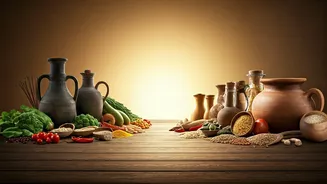
The culinary landscape is as diverse as the cultures that shape it. At its heart, food is a fundamental human need, yet it transcends mere sustenance.
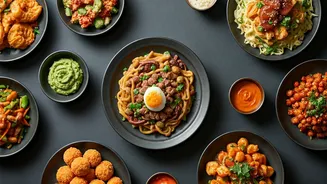
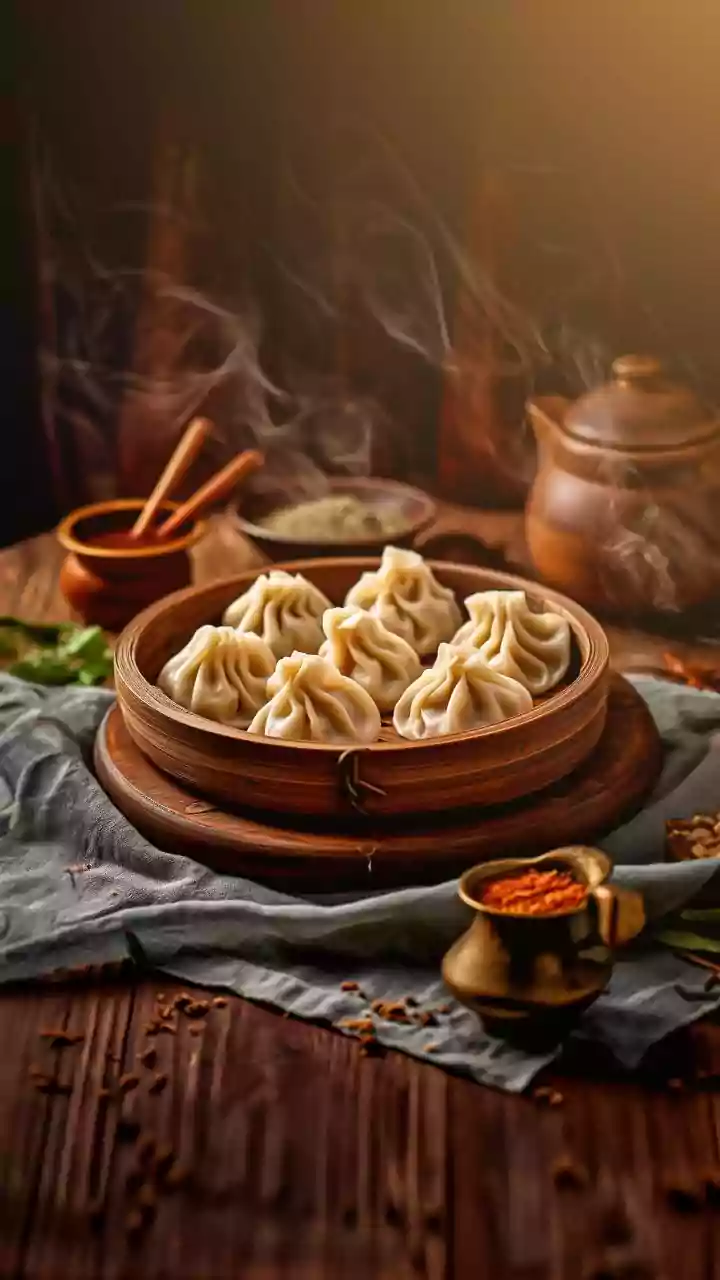
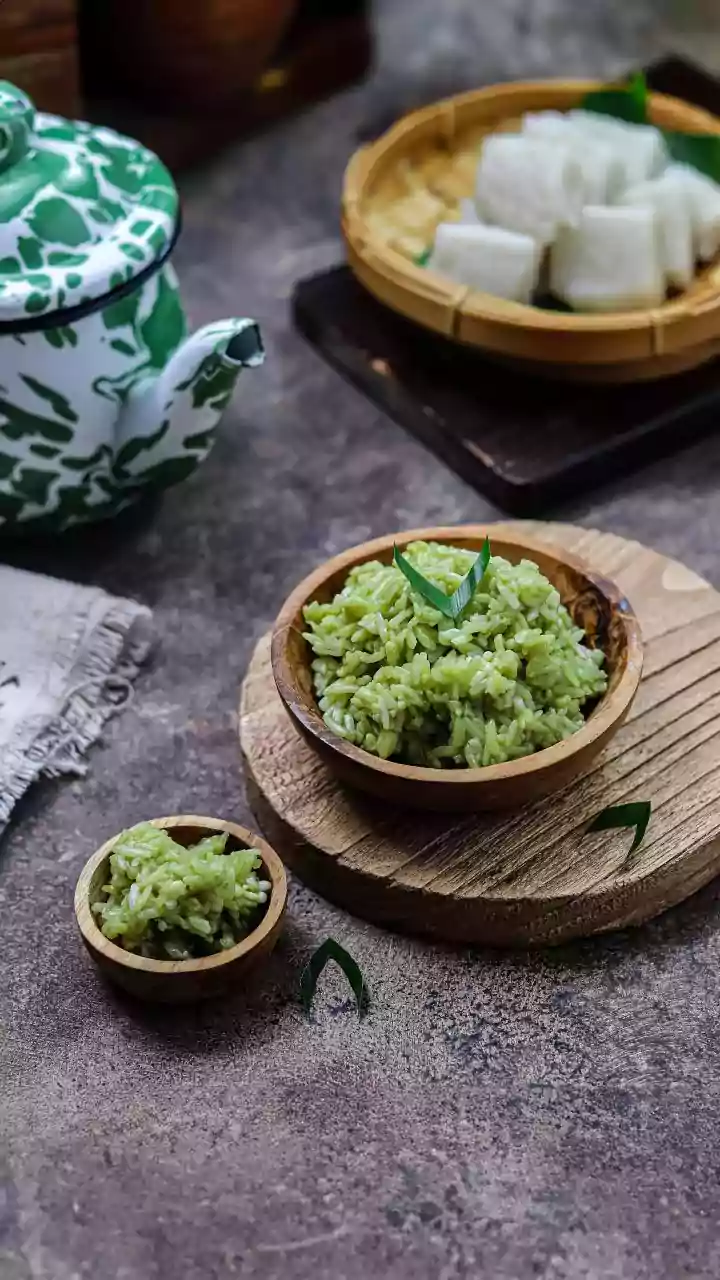
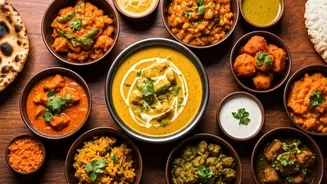
It's an art form, a source of cultural identity, and a means of expressing creativity. Food traditions vary significantly across the globe. For example, the use of spices in Indian cuisine is vastly different from the simplicity of Italian cooking. Each culture's cuisine reflects its history, geography, and values. Understanding these differences can be fascinating, as it opens doors to new flavors and perspectives. From the bustling street food stalls of Southeast Asia to the Michelin-starred restaurants of Europe, the variety in the food sector is truly amazing.
Key Culinary Ingredients
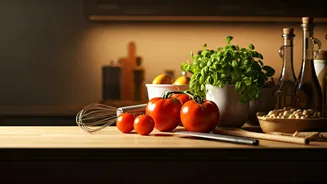
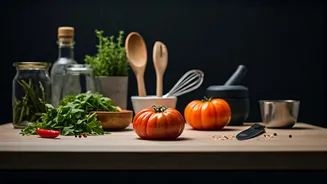
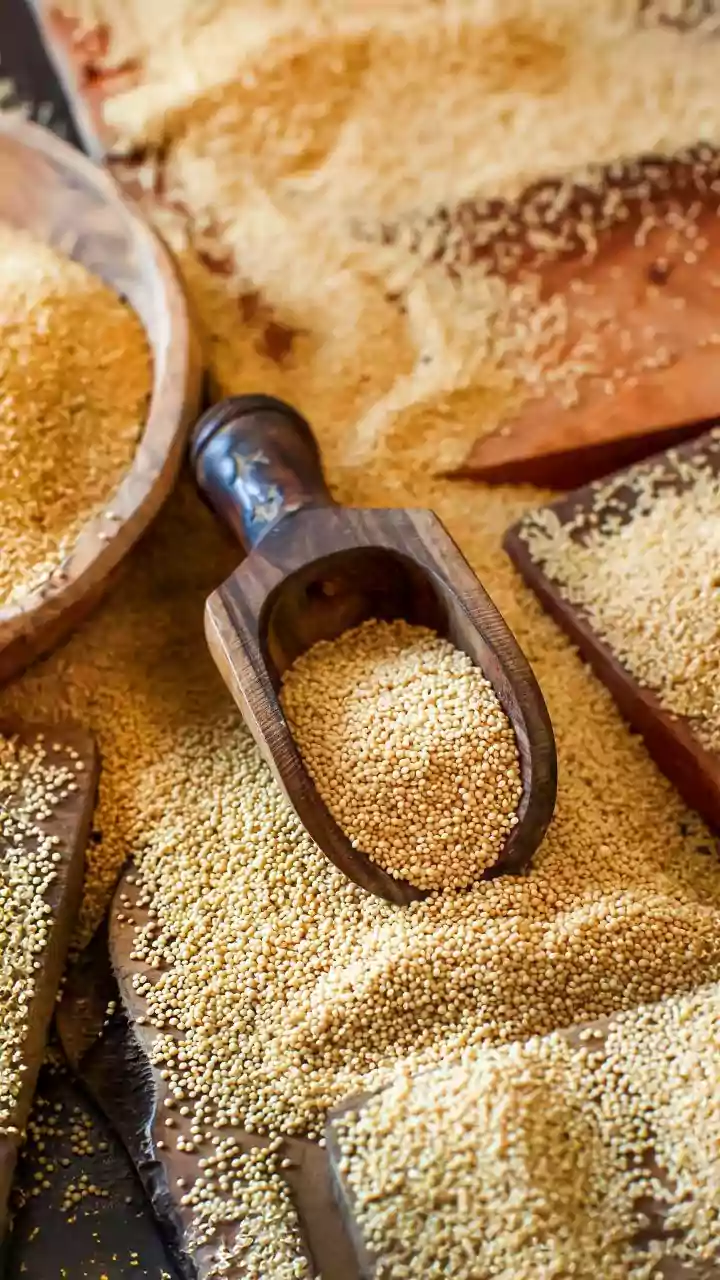
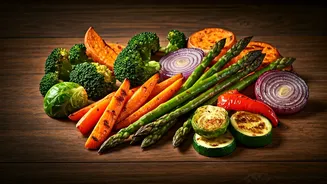
Ingredients form the foundation of any great dish. The selection of fresh ingredients makes a big difference in taste and overall quality. Fresh produce, sourced locally whenever possible, can elevate a meal. Herbs and spices are also essential components in cooking, imparting unique flavors and aromas. The choice of fats and oils plays a significant role, too. Extra virgin olive oil, coconut oil, and butter all have distinct flavor profiles and uses. Proteins, from various meats and plant-based sources, provide structure and substance to meals. The quality and preparation of the protein greatly affect the outcome of the meal. A deep understanding of these elements can truly enhance your cooking skills.
Cooking Techniques Explored
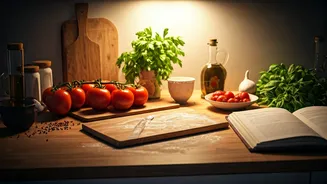
Mastering the fundamental cooking techniques is essential for any aspiring chef. Techniques like sautéing, grilling, baking, and stewing each bring about different textures and flavors. Sautéing, for example, is a quick method that retains the natural flavors of the ingredients. Grilling gives food a smoky flavor. Baking relies on even heat distribution, which makes the food perfectly cooked. Stewing, on the other hand, is a slow process that allows flavors to meld together beautifully. Learning to adapt and refine these techniques lets you cook a wide range of dishes. Practice and experimentation are key, and as you gain experience, you'll become more confident in the kitchen.
Food's Cultural Significance
Food is deeply entwined with cultural traditions, often playing a role in celebrations, rituals, and daily life. Many cultures have specific dishes associated with certain events. For instance, in many countries, a large family dinner is a tradition, bringing people together. Food can also be a symbol of identity and heritage. It reflects a community's history, values, and experiences. Exploring different cultures through their cuisine can be an enriching experience. Not only does it expose you to new flavors, but it also provides a deeper understanding of the people and their traditions. Food helps promote cultural exchange and understanding across different societies.