



Medications for Medical Needs
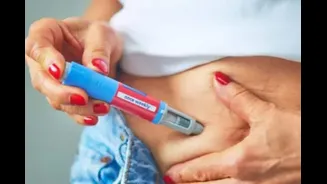
Injections such as semaglutide and tirzepatide, commonly known by brand names like Ozempic and Mounjaro, are potent prescription medications primarily
intended for managing type 2 diabetes and obesity. These drugs function by mimicking the GLP-1 hormone, a natural substance in the body that helps regulate blood sugar, control appetite, and influence digestion. By stimulating insulin release, reducing glucagon production, and slowing down the emptying of the stomach, they effectively lower blood sugar levels and contribute to weight reduction. However, there's a growing trend of individuals, particularly those anticipating major life events like weddings, seeking these powerful drugs for purely aesthetic reasons. Medical professionals are increasingly fielding requests from soon-to-be brides and grooms who have set tight timelines for weight loss, despite not having underlying medical conditions that warrant such treatments. This misuse raises significant concerns among healthcare providers, who emphasize that these medications should only be prescribed to patients who are medically eligible after a thorough assessment, not for cosmetic enhancements.
Short-Term Health Repercussions
While the allure of rapid weight loss for a wedding might be strong, the immediate health consequences of using these medications without proper medical guidance can be considerable. Common short-term side effects often manifest as gastrointestinal discomfort, including nausea, vomiting, diarrhea, and constipation. Many users also report experiencing fatigue and a significant reduction in appetite. The rapid pace of weight loss, if not managed with appropriate nutritional intake, can lead to dehydration, general weakness, and a concerning loss of muscle mass. Beyond these common issues, more serious, albeit less frequent, risks include the development of pancreatitis, gallstones, and severe digestive distress. These complications are more likely to arise when the medications are obtained from unreliable sources or when their use is not meticulously supervised by a qualified physician, highlighting the crucial need for professional oversight.
The 'Ozempic Face' Phenomenon
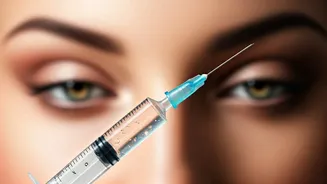
A notable cosmetic concern associated with rapid weight loss induced by these injections is the emergence of what's colloquially termed 'Ozempic face.' This phenomenon refers to the visible signs of premature aging and skin laxity that can appear when significant fat is lost quickly from the face. The skin can lose its plumpness, leading to a more gaunt appearance and potentially sagging facial skin. Additionally, some individuals may experience temporary hair thinning during periods of rapid weight reduction. These aesthetic side effects, coupled with the gastrointestinal and general physical discomforts, underscore that the outcomes of using these potent drugs for non-medical, short-term goals may not align with the desired cosmetic results and can detract from a person's overall well-being leading up to significant events.
Long-Term Health Implications
The challenges with these weight loss injections extend beyond immediate side effects, with significant long-term implications that make them unsuitable for temporary event-based use. A primary concern is weight regain; for many, the weight lost is regained once the medication is stopped, necessitating continuous treatment to maintain results. This makes it an impractical and potentially detrimental solution for a short-term goal like a wedding. Furthermore, rapid and unsupported weight loss can contribute to a gradual decline in muscle mass and potentially affect bone density, especially if nutritional intake and strength training are not adequately addressed. The medication's effect on slowing gastric emptying, while beneficial for appetite control, could, in rare instances, lead to persistent digestive issues. Given that these drugs are relatively new in the context of weight management, their full long-term safety profile, particularly beyond several years of use, is still under comprehensive study by the medical community.
Safer Alternatives for Wellness
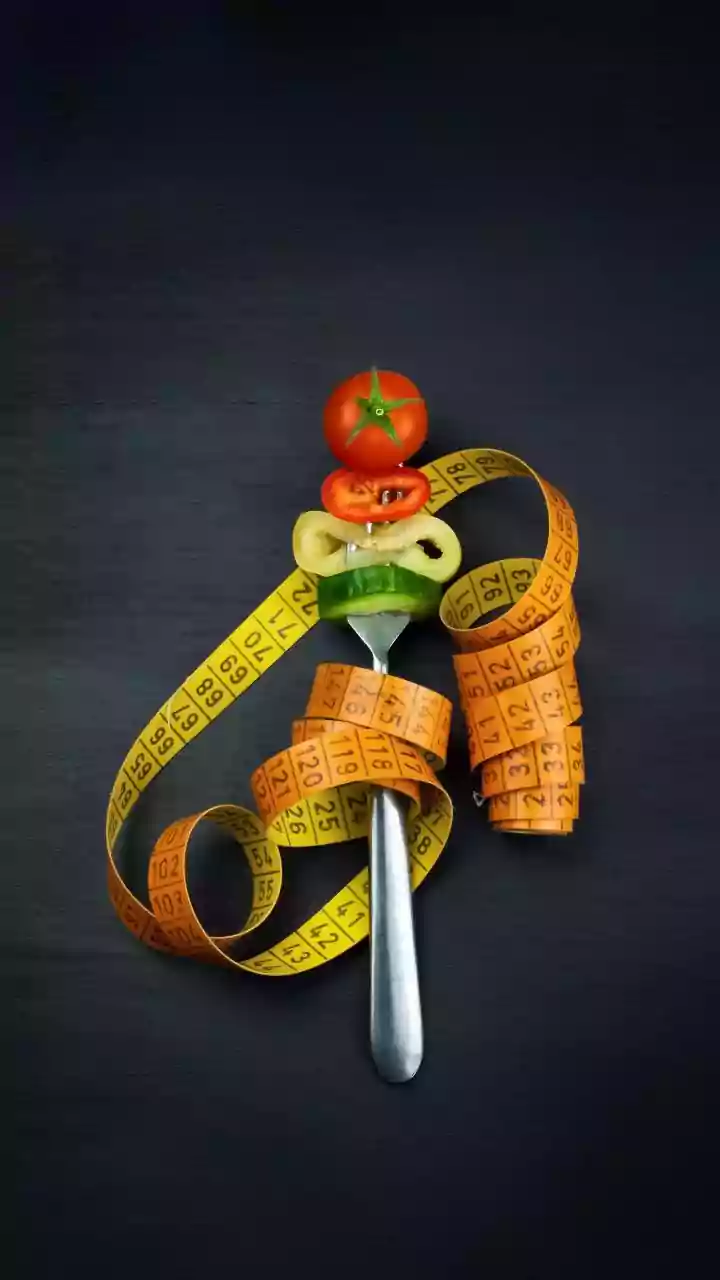
Experts overwhelmingly advise that for cosmetic or event-driven weight loss, these prescription injections are not the safest or most appropriate path. Their intended purpose lies in treating medically indicated conditions under strict professional supervision. For individuals seeking sustainable and healthy weight management, a structured approach is far more beneficial. This typically involves a combination of a balanced, nutritious diet, regular resistance and strength training exercises to preserve muscle mass, and ensuring adequate sleep for overall health and recovery. Such a holistic strategy not only promotes effective weight management but also actively supports the preservation of muscle tone and skin quality, which are crucial for a healthy appearance. Ultimately, prioritizing these foundational lifestyle changes offers a safer, more enduring, and health-conscious route to achieving personal wellness goals, including looking and feeling one's best for important life events.