


The Protein Craze Explained
The current fitness landscape is buzzing with "protein maxxing," a trend advocating for significantly increased protein consumption. This phenomenon is fueled
by extensive social media campaigns and the widespread availability of protein-fortified foods, ranging from snacks to beverages. The narrative often suggests that higher protein intake is the key to weight loss, muscle gain, and enhanced athletic performance. Additionally, the recent surge in GLP-1 medications, which can suppress appetite, has led to concerns about unintentional nutrient deficiencies, including protein, making it harder for some individuals to meet their needs without resorting to less optimal food choices. Furthermore, updated dietary guidelines in some regions now recommend higher protein intake, adding another layer to this growing trend. While protein is undeniably crucial for muscle repair, immune function, and metabolism, the emphasis on processed, protein-enhanced products warrants a closer look for endurance athletes.
Nutrition Over Hype
While an increased protein content in a food isn't inherently detrimental, it doesn't automatically classify a product as "healthy." The marketing surrounding "high-protein" foods often creates a "halo effect," leading consumers to believe that any product boasting more protein is nutritionally superior overall. This perspective overlooks the broader nutritional profile of a food. If a protein-enhanced item is also loaded with added sugars, unhealthy fats, or artificial additives, the purported benefits of the extra protein may be outweighed by the negative impact of these other components. For instance, ultra-processed foods, even those with added protein like certain sausages or fish sticks, have been consistently linked to adverse health outcomes such as cardiovascular disease and diabetes. While choosing a higher-protein version of a food you might consume anyway, like Doritos after a run, can offer some recovery benefits, incorporating such items solely for their protein content, without considering the overall nutritional cost, is problematic. Healthier, whole-food alternatives for boosting protein intake are readily available.
Protein Needs for Runners
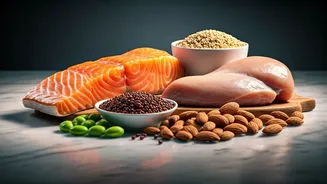
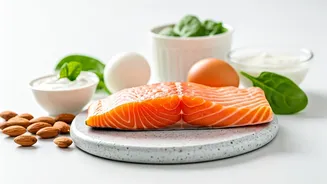
For many runners, the idea that they aren't getting enough protein is often a misconception. While endurance athletes generally require more protein than the average person—typically between 1.2 to 1.6 grams per kilogram of body weight—this requirement can usually be met through a varied diet rich in natural protein sources. Population-level dietary data suggests that most people, including athletes, are not deficient in protein. The current "protein-maxxing" trend, much like past low-fat fads, may be addressing a problem that doesn't widely exist. While protein-fortified foods can conveniently supplement intake, individuals already consuming adequate amounts of chicken, fish, tofu, Greek yogurt, and legumes might be surprised to find they are already meeting their protein goals without needing to purchase specialized, often more expensive, processed products. For those using GLP-1 medications and eating less, prioritizing naturally protein-dense whole foods like chicken breast, white fish, Greek yogurt, tofu, and lean pork is the most effective strategy to ensure sufficient protein intake without excessive processing.
Carbohydrates Remain Key
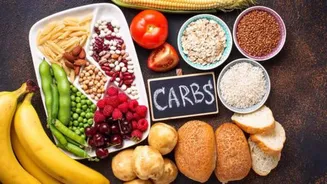
A significant concern amidst the "protein maxxing" trend is that runners might inadvertently neglect their essential carbohydrate intake. Carbohydrates are the primary fuel source for endurance activities, and critically underfueling them can lead to a substantial decline in performance. If runners opt for low-carb, high-protein alternatives for staple foods like bread or rice, they risk compromising their energy levels. It's vital that the increased focus on protein doesn't displace the necessary carbohydrates that power training and races. Therefore, runners should ensure their dietary choices support both adequate protein for recovery and muscle maintenance, as well as sufficient carbohydrates for sustained energy, maintaining a balanced approach to their macronutrient intake.
Smart Protein Integration
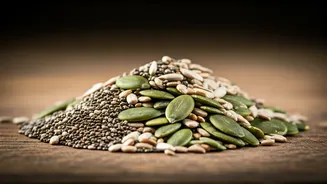
Navigating the world of protein-enhanced foods requires a discerning approach. The best strategy is to prioritize whole, unprocessed foods like fish, eggs, and legumes as the primary sources of protein. Protein-fortified packaged foods should be viewed as supplemental rather than foundational. For example, a ready-made protein shake after a strenuous workout can aid recovery, but the majority of daily protein intake should ideally come from nutrient-dense whole foods. When selecting processed protein items, opt for those with minimal ingredients, high-quality components, and added nutritional benefits like fiber. Look for products that incorporate whole-food protein sources like Greek yogurt, hemp seeds, or beans, which offer a more comprehensive nutritional profile compared to those relying solely on protein isolates. Always scrutinize nutrition labels; "high protein" is not a regulated term, so aim for products providing at least 8 to 10 grams of protein per serving while evaluating the overall nutritional context.
Recommended Protein Choices
While many protein-fortified products on the market are overly processed, a select few stand out for their nutritional value and quality ingredients. For breakfast, consider options like protein-enhanced oats that incorporate upcycled oat protein and real fruit, offering a more satisfying and nutritious start than highly processed cereals. For lunches and dinners, whole-wheat bread fortified with grains and seeds provides a healthy base for sandwiches or toast, delivering extra protein and nutrients without an unpleasant texture. When seeking convenient snacks, prioritize plant-based protein balls made with ingredients like cashews and dates, which offer healthy fats and natural carbohydrates alongside a protein blend. These choices exemplify how protein can be effectively integrated into a runner's diet through minimally processed, nutrient-rich foods that provide genuine benefits beyond just their protein content.