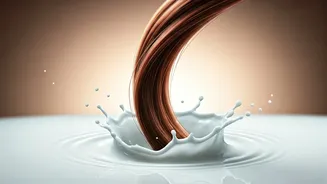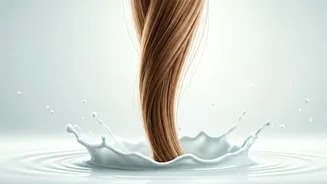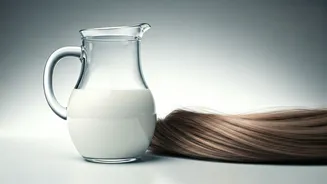





Deconstructing the Moisture Theory
The popular notion that keeping hair moisturized directly accelerates its growth rate is a common misconception. While it's widely believed that ample
hydration leads to significantly faster hair growth, the reality is more nuanced. Instead of directly stimulating the follicles at the scalp to produce hair quicker, moisture plays a crucial role in maintaining the health and integrity of existing strands. Dry hair is inherently weaker, making it prone to snapping and breaking. When hair is well-hydrated, it becomes more pliable, resilient, and less susceptible to damage during daily activities like combing, styling, or even environmental exposure. This reduction in breakage is what contributes to the appearance of longer hair, as you retain more of the length that would otherwise be lost prematurely. Therefore, the 'moisture theory' is less about speeding up the biological process of hair growth and more about optimizing your hair's ability to hold onto the length it naturally produces.
Internal vs. External Hair Growth
It's essential to understand that hair growth originates internally, specifically from the root nestled within the scalp. This biological process is primarily dictated by factors beyond topical applications, such as your genetic predisposition, hormonal balance, nutritional intake, and overall systemic health. No amount of conditioner, oil, or DIY mask applied to the visible hair shaft can influence the rate at which new hair emerges from the scalp. These external treatments cannot reach the follicle to stimulate increased growth. However, this doesn't diminish the importance of a consistent hair care routine. While external products can't change your genetic growth rate, they are indispensable for protecting the hair you already have, ensuring it remains healthy and strong enough to reach its full potential length without succumbing to damage.
The Power of Hydration
Imagine a piece of dry fabric versus a damp one. The dry fabric is stiff, prone to tangles, and tears easily. In contrast, the damp fabric is softer, more flexible, and can withstand gentle tugging without ripping. Hair behaves similarly. When hair lacks adequate moisture, it tends to knot frequently, becomes brittle during brushing, and develops split ends more rapidly. It also appears dull and lifeless. Conversely, properly moisturized hair is significantly easier to manage. Breakage is minimized, split ends are less prevalent, and the overall appearance is one of vibrancy and health. So, while moisture doesn't biologically speed up how fast your hair grows from the root, it acts as a protective shield, drastically reducing damage and thereby enabling you to maintain and visibly showcase the length your hair naturally achieves over time.
Understanding Cuticle Health
Each individual hair strand is covered by an outer protective layer known as the cuticle. When hair is dehydrated, these cuticles tend to lift and fray, leaving the strand feeling rough, exposed, and vulnerable. Moisture is key to ensuring these cuticles lie flat and smooth. This flattening effect not only makes the hair feel softer but also significantly increases its elasticity. Hair that is elastic can bend and move without snapping, a crucial characteristic for resilience. Furthermore, smooth cuticles reduce friction between hair strands, preventing tangles and further damage. In essence, maintaining adequate moisture helps your hair endure the rigors of daily life, from the friction of sleeping to the tension of styling, by keeping it structurally sound and less prone to falling apart.
The Appearance of Growth
Your hair naturally grows at a consistent rate, typically between 1 to 1.5 centimeters each month. The confusion surrounding the 'moisture theory' often arises because if the ends of your hair are constantly breaking off, you'll never actually see the cumulative growth. However, when you implement a consistent moisturizing routine, you drastically reduce this mid-shaft breakage and the occurrence of split ends. This improved length retention means that the hair you are growing is actually staying attached to your head. Consequently, your hair begins to appear longer, not because its growth rate has increased, but because you are no longer losing the length you have gained. It’s a crucial distinction: moisture helps you keep the hair you grow.
What Constitutes Moisture?
A common oversight is equating all hair oils with moisture. While oils are vital in a hair care regimen, they serve a different primary purpose than true moisturizing agents. Moisture, in the context of hair health, is typically derived from water-based sources. These include plain water itself, humectants like glycerin or aloe vera (which draw moisture into the hair), and conditioners that soften and hydrate the hair shaft. Oils, on the other hand, are primarily emollients and sealants; their main role is to lock in the moisture that has already been absorbed by the hair. Therefore, an effective moisturizing strategy usually involves applying water-based hydrating products first, followed by oils to seal that moisture in. Simply applying oil to dry hair without initial hydration is akin to putting a lid on an empty container – it doesn't add what's missing.
Signs of Moisture Deprivation
If your hair feels unmanageable and exhibits a generally poor condition, it's often a sign that it's not receiving or retaining enough moisture. Key indicators include a rough and dry texture, a tendency to tangle easily, premature split ends, a dull and lifeless appearance, and hair that snaps or breaks off quite readily, particularly when brushed. These symptoms don't necessarily mean your hair has stopped growing from the root. Instead, they signal that the hair shaft is weak and unable to hold onto the length it's producing, leading to visible thinning and breakage. Addressing these signs through a focused hydration routine can significantly improve hair health and retain length.
A Simple Hydration Routine
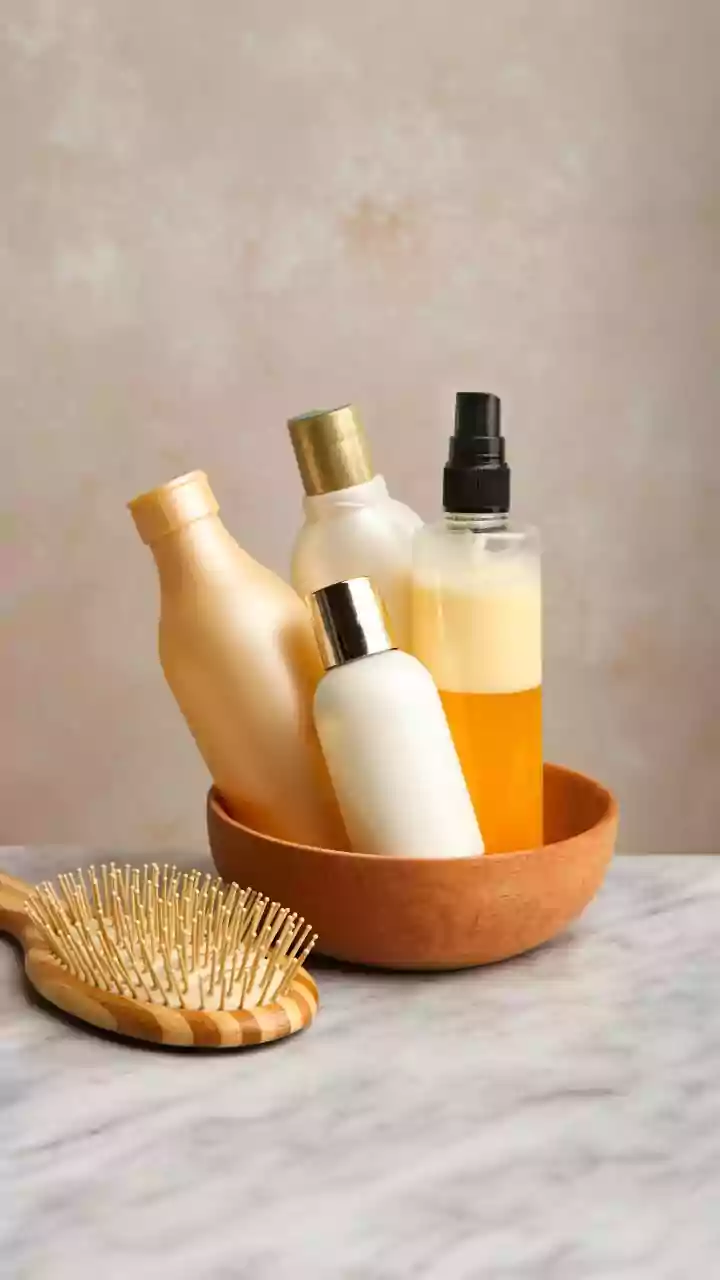
Achieving healthy, moisturized hair doesn't require an overly complicated or expensive regimen. The focus should be on consistent, foundational practices. Always use a conditioner after washing your hair to replenish lost moisture and smooth the cuticle. If your hair consistently feels dry, consider incorporating a leave-in conditioner between washes for added hydration. Utilize hair oils strategically to seal in moisture, rather than relying on them as the sole source of hydration. Be mindful of overwashing, as this can strip natural oils and dry out the scalp and strands. Finally, treat the ends of your hair with extra gentleness, as they are the oldest and most fragile part of the strand. Consistency in these basic steps is far more impactful than sporadic use of trendy treatments.
Realistic Expectations
It's important to maintain realistic expectations regarding what hair moisture can achieve. While crucial for hair health and length retention, hydration is not a magic bullet for all hair concerns. Moisture will not fundamentally alter your hair's natural growth rate, which is genetically determined. It cannot reverse hair loss caused by hormonal imbalances or genetic predispositions like male or female pattern baldness. You also shouldn't expect overnight transformations. Claims of doubling hair growth solely through hydration should be approached with skepticism. The primary benefit of moisture is in fortifying existing hair, making it resilient and capable of reaching its full growth potential, rather than accelerating the biological process itself.
The Core Takeaway
In essence, the 'moisture theory' is not incorrect, but rather frequently misunderstood. The central point is that while hydration doesn't accelerate the rate at which hair grows from the root, it is absolutely indispensable for ensuring that hair remains strong enough to retain its length. This protection against breakage is a significant factor in achieving visibly longer and healthier hair. Ultimately, haircare doesn't need to be overly complex or expensive. Focusing on fundamental practices like maintaining proper moisture levels can yield more significant results than chasing fleeting trends. Instead of fixating on boosting growth, prioritize damage reduction, overall hair health, and consistent care. Your hair is already growing; the real skill lies in ensuring it grows long enough for you to appreciate it.