





The Gut-Brain Connection
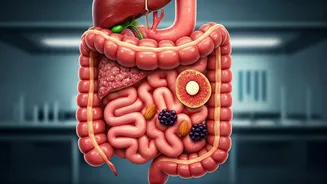
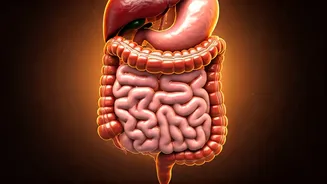
The human gut is teeming with a diverse community of microorganisms, collectively known as the gut microbiome. This ecosystem plays a crucial role in various
bodily functions, including digestion, immunity, and even mental health. The gut-brain axis refers to the bidirectional communication pathway between the gut and the brain. This connection allows the gut microbiome to influence brain function and behavior, and vice versa. An imbalance in the gut microbiome, known as dysbiosis, can have a range of effects on the body, including gastrointestinal issues, mood disorders, and, surprisingly, the sensation of alcohol intoxication without actual alcohol consumption. This communication highlights the complex relationship between our digestive system and our overall well-being. Keeping this system in check is of utmost importance.
Bacterial Fermentation Explained
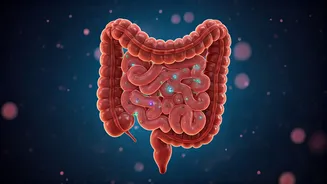
When certain bacteria in the gut break down carbohydrates and sugars, they produce alcohol as a byproduct through a process called fermentation. While the amount of alcohol produced through this process is usually minimal and not enough to cause noticeable effects, in some cases, excessive fermentation can lead to a condition known as auto-brewery syndrome. In auto-brewery syndrome, the gut produces significant amounts of ethanol, which is then absorbed into the bloodstream. This can result in symptoms similar to alcohol intoxication, such as dizziness, confusion, and even loss of consciousness, despite the absence of alcohol consumption. It is critical to understand that this is a unique condition that requires accurate diagnosis.
Identifying the Root Cause
Several factors can contribute to excessive fermentation in the gut. An overgrowth of certain yeast strains, such as Candida albicans, or specific types of bacteria can lead to increased alcohol production. Dietary factors also play a significant role. Consuming a diet high in refined carbohydrates and sugars can provide ample fuel for fermentation by these microorganisms. Conditions like irritable bowel syndrome (IBS) and small intestinal bacterial overgrowth (SIBO) can disrupt the balance of the gut microbiome, potentially leading to increased alcohol production. Diagnosing the underlying cause typically involves a combination of medical history, physical examination, and diagnostic tests. Breath tests, blood tests, and stool analysis can help identify the presence of alcohol-producing microorganisms and assess the overall health of the gut.
Managing Gut Health
Strategies for managing the condition generally focus on restoring balance to the gut microbiome and reducing alcohol production. Dietary modifications are often the first line of defense. This may involve reducing the intake of refined carbohydrates, sugars, and processed foods that fuel fermentation. Probiotics, which are beneficial bacteria, can help restore a healthy balance to the gut microbiome. Prebiotics, which are fibers that feed beneficial bacteria, can also be beneficial. In some cases, antifungal medications may be prescribed to address yeast overgrowth. Lifestyle changes, such as stress management and regular exercise, can also support gut health and overall well-being. Working closely with a healthcare professional is crucial to develop an appropriate treatment plan and monitor progress.
Impact on Daily Life
Experiencing symptoms of alcohol intoxication without drinking can have a significant impact on a person's daily life. It can affect their ability to work, drive, or engage in social activities safely. The unpredictability of these symptoms can be distressing and lead to feelings of anxiety and social isolation. The condition can also affect physical health, leading to dehydration, fatigue, and other related complications. For those experiencing this condition, seeking medical attention and adhering to recommended treatment plans is crucial. Support groups and mental health professionals can provide valuable emotional support and coping strategies to navigate the challenges associated with the condition. It is a condition that warrants attention and treatment.
Long-term Considerations
Untreated conditions can have long-term health consequences. Chronic exposure to alcohol produced in the gut can damage the liver and other organs. Untreated conditions can also contribute to the development of other health problems, such as diabetes and cardiovascular disease. Regular monitoring and follow-up care with healthcare providers are important to ensure effective management and prevent complications. Maintaining a healthy lifestyle, including a balanced diet, regular exercise, and stress management, is crucial for promoting overall well-being and supporting gut health in the long run. By taking proactive steps to address gut health concerns, individuals can improve their quality of life and minimize the risk of long-term health complications.