






What is CPB Diet?
The CPB diet, standing for Chicken, Potatoes, and Broccoli, has surged in popularity across social media platforms due to its remarkably effective fat-loss
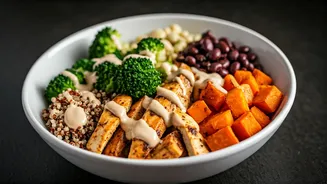
outcomes. This dietary approach is intentionally uncomplicated, centering its principles around a very limited selection of whole foods to organically foster a calorie deficit without the need for meticulous tracking. The fundamental structure involves consuming unlimited amounts of chicken breast (or tofu for vegetarians), utilizing potatoes as the primary source of carbohydrates, and incorporating broccoli and carrots as the main vegetables. To manage fat intake, users are advised to use just one tablespoon of olive oil per meal. Beverages are restricted to water, black coffee, or tea, explicitly excluding sugary drinks, artificial sweeteners, and any high-calorie additions. While seasonings are permitted, the emphasis remains on functional, non-indulgent food choices. The underlying rationale is that a combination of high protein and high fiber leads to prolonged feelings of fullness. Potatoes, often misunderstood, are quite satiating, and broccoli and carrots contribute volume without a significant calorie load, collectively assisting individuals in reducing food intake without feeling deprived, thereby making the dieting experience more manageable and less restrictive.
Why Fast Results Occur
The impressive results reported by adherents of the CPB diet are not arbitrary; they stem from well-established nutritional principles applied in a concentrated manner. This diet inherently functions as a high-protein, low-calorie, and high-volume eating plan. By prioritizing these types of foods, individuals experience prolonged satiety, which is crucial for managing hunger. The elimination of hyper-palatable processed foods significantly reduces cravings, a common stumbling block in most diets. Furthermore, the sheer simplicity of the meal structure minimizes decision fatigue, preventing the overconsumption often associated with complex dietary choices. Many users highlight a significant psychological shift, noting a marked reduction in what is termed 'food noise'—the persistent mental preoccupation with eating. When meals are consistently predictable and straightforward, the emotional connection to food diminishes. Behaviorally, this diet acts as a reset, compelling a departure from habitual consumption of sugary and ultra-processed items. For some, this dietary break contributes to enhanced energy levels and improved skin clarity, underscoring the multifaceted benefits beyond just weight loss.
The 30-Day Flex Plan
Acknowledging that a perpetually monotonous diet is not a sustainable long-term solution, a structured 30-day adaptation of the CPB diet has emerged. This phased approach aims to introduce variety gradually, making the dietary shift more palatable and realistic over time. The initial week adheres strictly to the core foods: chicken, potatoes, and broccoli. As the user progresses into the second week, the plan allows for the incorporation of one new item from each food category, such as lean beef or spinach. By the third week, fruits, nuts, and other beneficial additions begin to be included. The overarching philosophy is to leverage the first week as a period for resetting eating habits, followed by a systematic reintroduction of diverse foods. Portion control is also a key component, with typical plate compositions balanced to include approximately one quarter protein and fats, one quarter carbohydrates, and half vegetables. This dietary framework is often complemented by regular strength training and daily physical activity, creating a holistic approach to body transformation and long-term health maintenance.
Scientific Perspective
While the CPB diet has achieved significant viral acclaim, it is best categorized as a 'fad with underlying logic.' It cleverly incorporates principles from established nutritional science but implements them in an extremely restrictive manner. It is important to note that there are no large-scale scientific studies that specifically validate this exact dietary regimen. The current evidence supporting its efficacy is primarily derived from anecdotal reports and small-scale personal experiments. Some nutrition experts express concerns that such a limited food selection could potentially lead to nutrient deficiencies due to a lack of dietary variety. Furthermore, a consistently low intake of healthy fats might, over time, impact hormonal balance. Digestive discomforts, such as bloating or constipation, can also arise. The rapid weight loss associated with restrictive diets carries potential risks, including fatigue and electrolyte imbalances. Moreover, the inherent monotony of the diet poses a significant challenge to adherence, with a high probability of rebound eating once individuals return to their previous eating patterns, often negating any short-term gains.