

Shield Your Scalp
Summer's intense sun poses a significant threat to your hair's health. Prolonged exposure to UV radiation can degrade crucial protein structures within
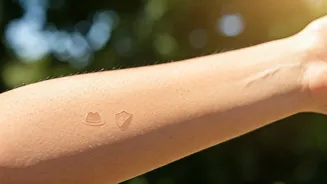
your hair strands, leading to a severe loss of natural moisture. This makes your hair brittle and prone to snapping even with minimal stress. Just as you protect your skin with sunscreen, your scalp and hair require similar defense. Opt for a lightweight, breathable cotton cap or a wide-brimmed hat when venturing out into direct sunlight, especially during peak hours. If headwear isn't your preferred style, consider investing in a specialized leave-in hair serum that contains UV filters. These products create a protective barrier, preventing sun damage and preserving your hair's integrity. By taking these simple precautions, you can significantly reduce the risk of sun-induced hair breakage and thinning during the summer months.
Gentle Summer Cleansing
The rise in summer temperatures inevitably leads to increased perspiration, and while sweat itself isn't inherently harmful, prolonged contact with the scalp can cause issues. When sweat mixes with environmental pollutants and accumulated dead skin cells, it can lead to severe follicle congestion. This blockage often triggers inflammation and can accelerate hair loss. To counteract this, it's advisable to increase your hair washing frequency during summer, aiming for about two to three times a week. However, the key is to use gentle cleansing agents. Steer clear of harsh, stripping shampoos, especially those containing sulfates, and opt for mild, sulfate-free formulas. Furthermore, if you enjoy swimming in pools or the ocean, it's crucial to rinse your hair thoroughly immediately after exiting the water. Chlorine and salt can strip moisture and damage hair, so a quick rinse is essential to remove these residues and prevent further harm.
Limit Heat Styling
Your hair is already under environmental duress during the summer, facing the combined challenges of heat and humidity. Exposing it further to high-temperature styling tools like flat irons and curling wands is highly detrimental. This dual assault of environmental heat and artificial heat dramatically depletes your hair's moisture reserves and compromises the integrity of the hair cuticle, making it more susceptible to damage. To give your hair a reprieve, embrace air-drying whenever possible. If you absolutely must use a hairdryer for a special occasion, ensure you use the lowest heat setting. Before applying any heat, generously coat your hair lengths with a reliable thermal protectant spray. This creates a barrier that shields your strands from extreme temperatures, minimizing moisture loss and preventing heat-induced damage.
Prioritize Internal Hydration
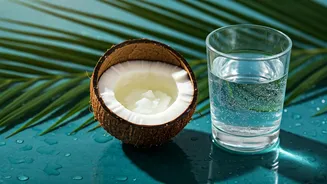
Maintaining adequate hydration is paramount not only for your overall well-being but specifically for the health of your scalp and hair. Dehydration can significantly impact your body's internal systems, causing it to prioritize essential organs over less critical functions like hair growth. When your body lacks sufficient water, your hair follicles can become parched and weakened, leading to increased shedding. Aim to consume between two to three liters of water daily to ensure your body is properly hydrated. To further support scalp health and moisture retention, consider incorporating external hydration methods. Massaging pure aloe vera gel directly into your scalp can provide soothing and moisturizing benefits. Alternatively, applying a light layer of coconut oil to your scalp a couple of hours before shampooing can help lock in moisture, keeping your roots nourished and resilient.
Nourish for Strength
During hot summer months, cravings for heavy, rich foods often diminish, but it's crucial to remember that your hair's health is directly linked to your nutritional intake. Hair is primarily composed of keratin, a structural protein that requires a consistent supply of essential nutrients to be synthesized effectively. To support strong hair growth, incorporate cooling, water-dense foods into your diet, such as watermelon, cucumbers, and tomatoes, which also help regulate your body's core temperature. Maintaining adequate levels of iron, zinc, and protein is vital for hair resilience. Keep a healthy stash of nuts like walnuts and almonds readily available as a nutritious snack. Ultimately, the quality of the nutrients you consume plays a significant role in the strength and vitality of your hair.