






The Mysterious Window Aperture
The allure of a window seat is undeniable, offering breathtaking views and a peaceful escape from the aisle's hustle. Yet, amidst the panoramic vistas,
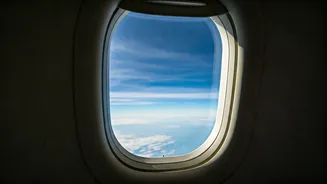
a small, often overlooked detail resides in many airplane windows: a tiny hole, typically found near the bottom. This curiosity isn't unique to a few aircraft; it's a common feature that has sparked questions among passengers. Its existence might seem puzzling, especially when juxtaposed with other intriguing aspects of aviation, such as the continued use of floppy disks for critical airplane software. However, this small aperture serves a very significant and practical purpose, rooted in the complex engineering of modern aircraft and their ability to maintain a safe and comfortable environment for everyone onboard.
Breather Holes: The Pressure Equalizers
These small openings are technically known as 'breather holes' or 'bleed holes.' Their primary function is to manage the substantial pressure differential that naturally occurs between the inside of the airplane cabin and the much lower pressure at high altitudes. Each airplane window is typically constructed from three distinct panels. The innermost panel, the one closest to passengers, is primarily for aesthetic purposes and protects the middle panel from smudges or damage from direct contact. The middle and outer panels are the structural components that bear the brunt of the external forces and pressure. The breather hole plays a critical role in regulating the air pressure between these panels, particularly the middle and outer ones, preventing undue stress and ensuring the structural integrity of the entire window assembly during flight.
Multi-Panel Design for Safety
The layered construction of airplane windows is a testament to the meticulous safety protocols in aviation. Each of the three panels serves a distinct purpose. The innermost panel is a simple barrier, keeping the more critical layers clean and intact. The middle panel, along with the outer panel, is engineered to maintain the cabin's pressurized environment against the significantly lower atmospheric pressure outside. This redundancy is crucial; if the outermost panel were to sustain damage, such as a crack, the middle panel is designed to act as a failsafe. It's imperative that this middle panel can withstand pressure changes, and the breather hole facilitates this by allowing gradual pressure equalization. Without it, a breach in the outer pane could lead to a sudden, drastic pressure drop, jeopardizing the middle panel's integrity and the cabin's safety.
Consequences of No Bleed Holes
The absence of breather holes would lead to several undesirable consequences, impacting both passenger comfort and operational safety. One of the most immediate effects would be the significant buildup of condensation on the windows. While this might seem like a minor inconvenience, it severely impairs visibility. This isn't just an issue for passengers trying to enjoy the view; flight crews rely on clear windows to monitor for external hazards like fire or debris, especially during emergency evacuations. Furthermore, obscured windows would hinder the ability of emergency responders to see into the cabin if needed. Beyond visibility, the lack of bleed holes could accelerate the degradation of window seals over time, leading to air pressure leaks. These leaks, particularly at high altitudes where cabin pressurization is critical, could compromise the entire cabin's atmosphere and overall flight safety, making the breather hole an indispensable component.