





Vinegar's Cleaning Power
Distilled white vinegar is a remarkable natural cleaning agent, primarily due to its acetic acid content. This acid acts as a potent disinfectant, effectively
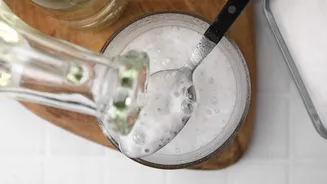
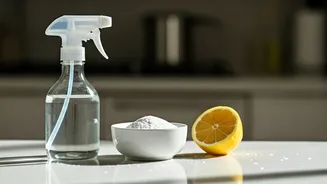
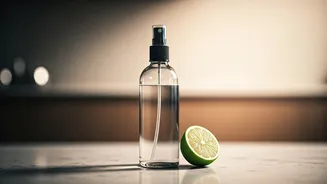
tackling bacteria, and it excels at breaking down stubborn messes like grease, soap scum, and general dirt. However, its acidity necessitates dilution to prevent potential damage to various surfaces. For a balanced approach, a 1:1 ratio of vinegar to water is commonly recommended for general cleaning. If odor is a primary concern, increasing the water proportion to three parts water for every one part vinegar can significantly reduce the smell without sacrificing much cleaning efficacy. Another effective combination involves mixing equal parts vinegar and dish soap, or for a gentler option, using just a few drops of dish soap with vinegar and water. Storing this solution in a spray bottle made of durable materials like glass or high-density polyethylene is crucial, as the acidity can degrade lesser plastics. The good news is that any noticeable odor is temporary, typically vanishing within 15 minutes to two hours as surfaces dry, leaving no lingering sour scent behind.
Where to Use Your Cleaner
This versatile homemade cleaner is a fantastic option for a wide array of household surfaces, particularly in your kitchen and bathroom. It can be safely used on appliances, refreshing sinks, cleaning shelves, and tackling engineered-stone countertops. Ceramic and porcelain tiles will also gleam after a wipe-down. Beyond these areas, it's effective for polishing metal hardware, fixtures, and glass surfaces. For a laundry boost, add half a cup of undiluted white vinegar directly to your wash cycle; it enhances detergent performance and acts as a natural fabric softener, leaving your clothes feeling wonderfully soft. This broad applicability makes your DIY vinegar cleaner an indispensable tool for many household chores, promoting a clean and fresh environment.
Ventilation and Scent Control
While vinegar-based cleaners are celebrated for their non-toxic nature, the acetic acid fumes can still be irritating to some individuals, especially those with respiratory conditions like asthma. Therefore, ensuring adequate ventilation during and after cleaning is highly recommended. Open windows and doors to allow fresh air to circulate, and consider using a fan to expedite the drying process and disperse any airborne particles. The characteristic vinegar scent is transient and typically dissipates entirely as surfaces dry. However, if you find the smell bothersome or wish to mask it proactively, several strategies can be employed. For a 1:1 vinegar-water mixture, adding 10 to 20 drops of your favorite essential oil, such as lavender, peppermint, or eucalyptus, can provide a pleasant aroma. For a more sustained, subtle scent, consider infusing the vinegar with citrus peels. Simply fill a sealable jar halfway with peels from fruits like lemons or oranges, then cover with undiluted white vinegar. Let it steep in a cool, dark place for one to two weeks. Afterward, strain out the peels, and you'll have a fragrantly infused vinegar ready for dilution and use.
Surfaces to Avoid
It's crucial to be aware that the acidic nature of white vinegar, while beneficial for cleaning, can be detrimental to certain materials. Therefore, it should not be used on natural stone surfaces such as marble and granite, whether they are flooring, walls, or countertops, as it can cause pitting and etching. Similarly, hardwood floors and wooden furniture or cabinetry are susceptible to damage from vinegar's acidity, leading to dull finishes or structural weakening. Unsealed cement-based grout can also be eroded by vinegar. While a diluted vinegar solution can be effective for removing rust from cast iron cookware, prolonged exposure should be avoided, as it can degrade the non-stick coating. Additionally, vinegar can degrade rubber seals and gaskets over time. Finally, electronic screens, from smartphones to televisions, should also be kept away from vinegar solutions, as it can damage their delicate surfaces and coatings.