






A Culinary Initiative
The state of Uttar Pradesh has launched an ambitious 'One District, One Cuisine' (ODOC) program, aiming to elevate and promote local culinary traditions
across its 75 districts. Similar to the successful 'One District, One Product' initiative, ODOC intends to provide enhanced branding, packaging, and market access for distinct regional foods. This scheme has officially identified 208 signature dishes that represent the gastronomic heritage of various districts. The selection encompasses a broad spectrum of food items, ranging from traditional sweets and savory snacks to local street food specialties and jaggery-based products, reflecting the rich diversity of flavors found within the state. The program's core objective is to foster economic growth by supporting local businesses, generating employment opportunities, and enabling these unique culinary creations to reach a wider consumer base.
Vegetarian Focus Sparks Debate
A notable aspect of Uttar Pradesh's 'One District, One Cuisine' list is its exclusive focus on vegetarian dishes, with no non-vegetarian items making the final selection of 208 signature foods. This decision has become a significant point of discussion, particularly given the fame of several non-vegetarian delicacies originating from the state. Iconic dishes such as Lucknow's Galouti kebabs, Awadhi biryani, Kakori kebabs, and Rampur's sought-after seekh kebabs, along with popular mutton preparations from Bareilly, are conspicuously absent from the official list. This exclusion has drawn criticism from various quarters, including food historians. Experts have raised questions about the selective nature of the promotion, suggesting that the all-vegetarian approach might be considered incomplete or discriminatory. While the government maintains that the initiative is about promoting vegetarian cuisine and not about restricting consumption, the debate highlights the cultural significance of these excluded dishes in the state's culinary identity.
Diverse Regional Flavors
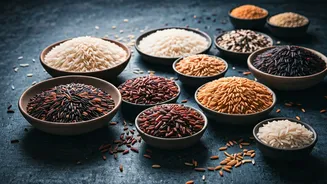
The 'One District, One Cuisine' initiative showcases a remarkable variety of vegetarian dishes across Uttar Pradesh's districts. For instance, Agra proudly features its renowned petha, alongside dal-moth and gajak. Firozabad is represented by tikki and kachori, while Mainpuri highlights soan papdi and roasted potatoes. Mathura's contribution includes the famous peda, chhappan bhog, mathri mishri, lassi, and khurchan. Aligarh and Hathras focus on dairy products and khurchan, respectively. Kasganj presents dry ginger laddoo, kalakand, and matar chaat. Ayodhya offers kachori, tikki, peda, kulhad curd, and jalebi. Barabanki is known for its chandrakala sweet and red peda. Amethi contributes samosa, jaggery kheer, gulgula, and large puri. Ambedkar Nagar features balushahi, chaat, khasta, and gram-potato roti. Azamgarh's specialties are tehri, white carrot halwa, and laung lata. Ballia is recognized for baati-chokha, and Mau for litti-chokha and gojha snack. Bareilly's list includes sewaiyan and barfi, while Badaun is noted for khoya sweets and lauj. Pilibhit presents jalebi and rasgulla, and Shahjahanpur highlights laung barfi, laddoo, and samosa. Basti's selection includes thekua, puri-sabzi, and rasgulla, and Sant Kabir Nagar offers kheer and samosa. Siddharthnagar is represented by Ram-kachori, butter, and rice dishes. Banda contributes sohan halwa and balushahi, and Chitrakoot is known for mawa. Gonda features dahi bada (Itiyathok) and kachori, while Bahraich presents chamcham. Balrampur offers coconut barfi, kalakand, and other local sweets, with Shravasti highlighting imarti. Gorakhpur's culinary identity includes litti-chokha, garlic mini samosas, and barfi, and Maharajganj for litti-chokha, khoya sweets, and jaggery sweets. Deoria contributes malpua, curd-chura, and jaggery jalebi, while Kushinagar highlights banana chips, peda, and red khoya. Jhansi's dal bafla and balushahi are featured, Jalaun offers rasgulla and gujiya, and Lalitpur includes milk halwa and bajra roti. Kanpur Nagar is represented by samosa, laddoo, and malai makkhan, with Kanpur Dehat focusing on edible oil products and lassi. Auraiya presents balushahi and jaggery, and Etawah is known for mustard-based dishes, chutney, buttermilk, and kheer mohan. Farrukhabad offers dal moth and roasted potatoes, while Kannauj highlights gatta sweets and khoya peda. Lucknow's listed items include rewari, chaat, malai makkhan, and mango produce. Hardoi contributes aloo puri, laddoo, and imarti. Lakhimpur Kheri features banana dishes, peda, kheer mohan, and rasgulla. Raebareli's strength lies in spices, and Sitapur offers malai, samosa, pakodi, and peda. Unnao's specialties are kala jamun, samosa, kachori, and laung puri. Meerut presents rewari, gajak, and namakpare. Ghaziabad is known for soya chaap and pickles, and Gautam Buddha Nagar for cakes and bakery products. Hapur's signature item is papad, while Bulandshahr offers khurchan and peda. Baghpat features balushahi and ghewar. Mirzapur's listed items include lal peda, balushahi, rasgulla, and peda. Bhadohi (Sant Ravidas Nagar) contributes dal pitha, thekua, khoya peda, and gujiya. Sonbhadra is recognized for gulab jamun. Moradabad is noted for its dal dishes, and Rampur for hapsi halwa. Amroha highlights mango dishes and pickles, and Sambhal presents sewaiyan, gajak, and balushahi. Bijnor's offerings include gajak, sesame sweets, and barfi. Prayagraj features sabzi-kachori, imarti, and rasgulla. Fatehpur is known for bedai puri and rabri, and Kaushambi for jaggery sweets, tilkut, and barfi. Pratapgarh's contribution is amla jam. Varanasi's culinary tapestry includes tiranga barfi, thandai, lassi, kachori, Banarasi paan, and laung lata. Jaunpur highlights imarti and Jaunpuri radish, while Ghazipur offers pickles, matar chaat, rasgulla, and jalebi. Chandauli's unique dishes are black-rice items, gulab jamun, and lassi. Saharanpur's local specialties include honey-based products and chaat. Muzaffarnagar is represented by jaggery, rewari, and peda. Shamli's signature items are rewari and gajak. This extensive list underscores the depth and variety of vegetarian culinary traditions across the state.