




Moong Dal Chilla Power
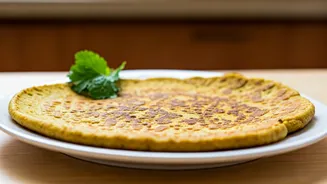
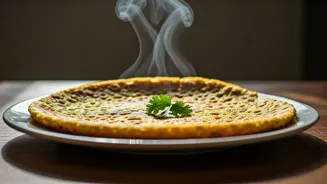
Kickstart your day with moong dal chilla, a delectable pancake made from soaked and ground split yellow moong lentils. This dish typically offers 14–16
grams of protein per serving of two medium chillas. The batter, enriched with ginger, green chilies, and optional finely chopped vegetables like carrots or spinach, hydrates fully when allowed to rest briefly, resulting in a softer interior with crisp edges. Some variations include a spoonful of curd or ajwain for enhanced flavour and digestibility. Cooked on a lightly oiled pan, these chillas are best served with curd or mint chutney, providing a light yet filling meal that is easy on the stomach and packed with plant-based protein and fibre.
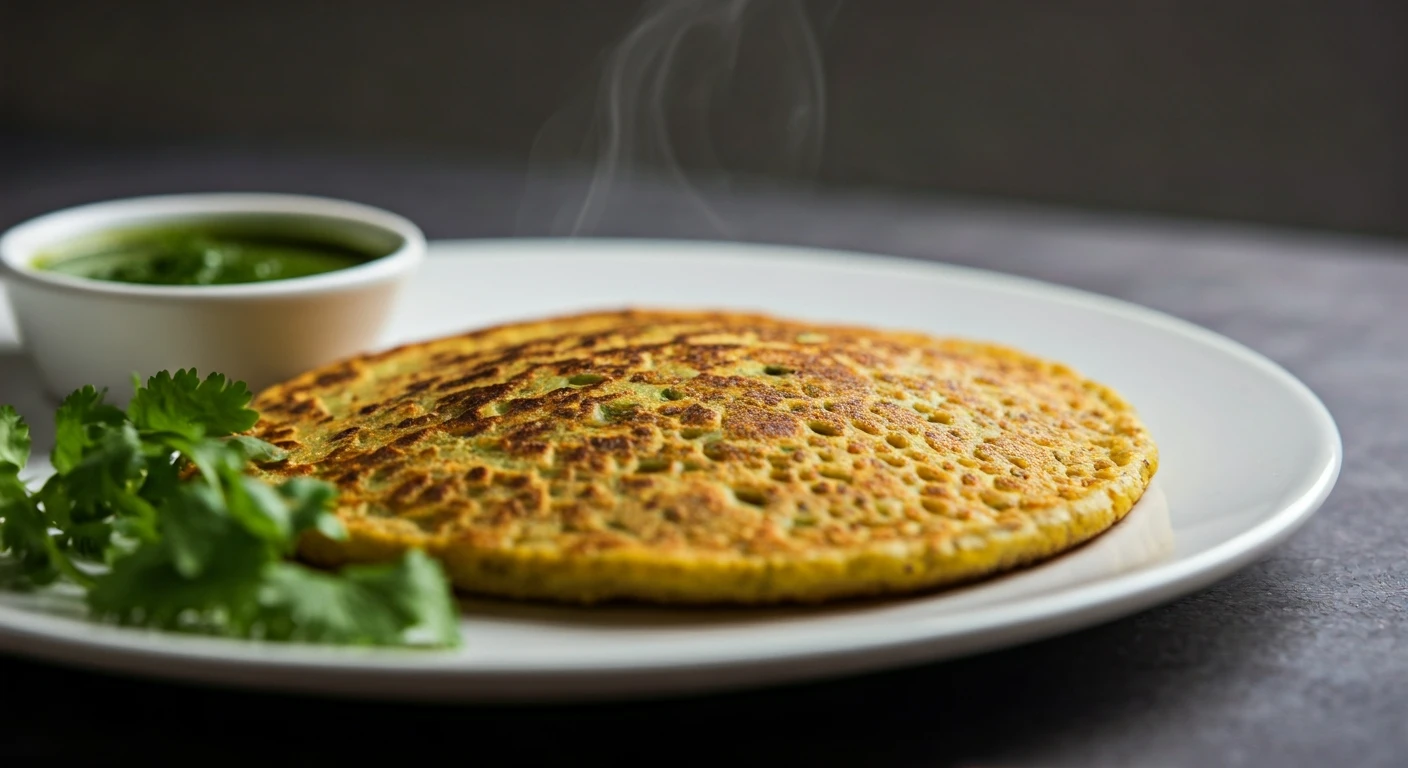
Hearty Besan Cheela
Besan cheela, crafted from gram flour, is another excellent high-protein breakfast, providing around 12–14 grams per serving. The batter, a blend of gram flour, water, turmeric, chilli powder, and salt, is often enhanced with finely chopped onions, tomatoes, and spinach for added texture and nutrients. A hint of lemon juice or yogurt can be mixed in to ensure a soft interior. Whisking the batter well incorporates air, leading to a lighter cheela. Optionally, grated paneer or crushed tofu can be added to boost the protein content and creaminess. Cooked until golden and lightly crisp at the edges, this versatile dish is traditionally served with coriander chutney, offering a quick, nutritious, and satisfying start to the day.
Paneer Bhurji Delight
Paneer bhurji, a scrambled cottage cheese dish, offers a flexible and protein-rich breakfast option, typically served with multigrain roti. While specific protein counts vary with portion size, paneer itself is a significant source of protein. The simple base of crumbled paneer is sautéed with spices and can be customized with ingredients like milk for softness or lemon juice for brightness. Additions like soaked chia seeds, flaxseeds, or finely chopped vegetables such as capsicum or spinach can further enhance its nutritional profile. Its quick preparation time makes it suitable for both everyday meals and festive occasions, showcasing the adaptability of Indian cuisine. The dish's richness can be balanced by serving it with whole wheat rotis, making it a fulfilling and wholesome breakfast.
Sprouted Moong Salad
Sprouted moong salad, also known as usal, is a powerhouse of nutrition, delivering approximately 14–15 grams of protein per bowl. Prepared from whole green moong that has been soaked and sprouted, it can be lightly steamed or enjoyed raw. Tossed with ingredients like mustard seeds, curry leaves, turmeric, onions, tomatoes, and lemon juice, this salad is both refreshing and filling. Adding grated carrot, cucumber, or pomegranate seeds introduces extra fibre, sweetness, and texture. This dish is valued for its ease of digestion, minimal processing, and quick preparation, making it an ideal choice for busy mornings or a light, energizing meal that supports sustained energy levels and prevents mid-morning hunger.
Adai Dosa Fusion
Adai dosa, a thicker, mixed lentil pancake, is a South Indian classic that offers substantial protein and fibre. It's made from a batter of soaked toor dal, chana dal, urad dal, and a small amount of rice, ground with red chillies and cumin. This hearty base, often enhanced with ginger or curry leaves, provides a more robust and filling experience than regular dosa. A pinch of asafoetida or black pepper aids digestion. The blend of dals creates a naturally nutty flavour and a balanced amino acid profile. For an extra nutritional boost, finely chopped spinach can be incorporated. Cooked on a tawa, it yields a crispy exterior and a soft interior, best paired with coconut chutney or avial for a complete and nourishing meal.
Hung Curd Parfait
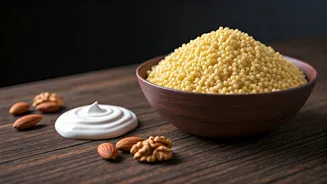
Indulge in a hung curd parfait for a protein-rich breakfast, offering an impressive 17–20 grams of protein per serving. This dish starts with thick, strained curd, layered with a generous mix of roasted nuts like almonds and walnuts, and seeds such as pumpkin seeds, complemented by seasonal fruits. Whisking the hung curd beforehand ensures a smooth texture, while additions like chia seeds or soaked raisins can further enhance its fibre and sweetness. The delightful contrast between the creamy curd and the crunchy nuts and seeds, combined with the juiciness of fresh fruit, makes this parfait a satisfying and refreshing start to the day. It's a simple yet elegant way to ensure sustained energy and reduce hunger pangs.
Sattu Paratha Comfort
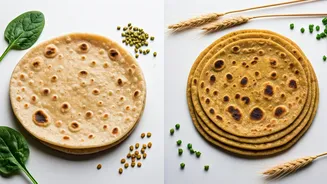
Sattu paratha, a traditional North Indian flatbread stuffed with roasted gram flour, is a hearty breakfast option providing about 15–17 grams of protein per paratha. The flavourful stuffing typically includes chopped onions, green chillies, ajwain, lemon juice, and mustard oil, creating a unique, rustic taste. Optional additions like roasted cumin powder or coriander can enhance its aroma. The sattu stuffing is known for its nutty flavour and ability to provide sustained energy, making it ideal for long mornings. When cooked on a tawa with minimal ghee, it develops golden spots and a soft yet lightly crisp texture. Properly sealed and rolled, these parathas are traditionally served with curd or pickle for a complete, filling, and nourishing meal.
Peanut Poha Energy
Peanut poha offers a quick and protein-boosted take on the classic flattened rice dish, typically containing 11–13 grams of protein per serving. Thick poha flakes are lightly tempered with mustard seeds, curry leaves, and green chillies, then tossed with roasted peanuts and onions. Turmeric is added for colour and flavour, and the mixture is gently steamed to allow flavours to meld without making the poha mushy. A final touch of lemon juice and fresh coriander brightens the dish. The addition of peanuts significantly elevates the protein content, making it a comforting, quick, and satisfying breakfast that provides sustained energy and a delightful blend of textures and tastes.