





The Unseen Flow
Tucked away from the hustle and bustle of urban life and the throngs of spiritual sites, a remarkable river in India traverses its course with an almost
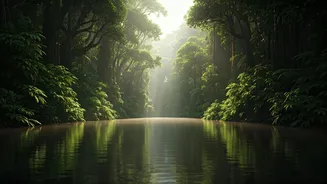
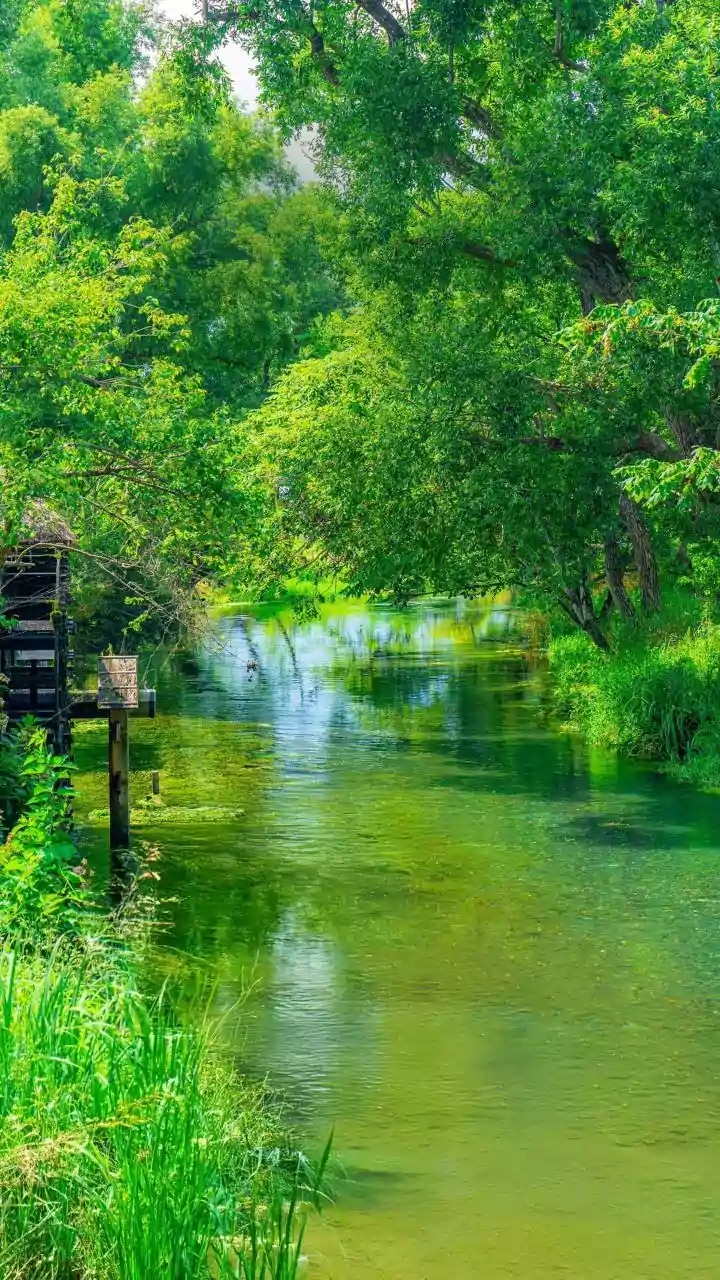
imperceptible presence. This is the Kunthipuzha River, a body of water often graced with the moniker 'Silent River of India,' recognized as one of the nation's most pristine and unblemished watercourses. Its journey is not one of widespread fame or significant human interaction, but rather a quiet existence that belies its profound ecological significance. Unlike many rivers that become focal points for settlements, industries, or religious activities, the Kunthipuzha maintains a serene, natural flow, a testament to its secluded and protected environment. This lack of overt human imprint allows the natural world to dictate the soundscape, where the whispers of the rainforest and the gentle currents of the water are the dominant auditory elements.
A Haven in Kerala
The Kunthipuzha River makes its home in the southern Indian state of Kerala, embarking on its course through the verdant, dense rainforests that constitute the Silent Valley National Park. This park itself is nestled within the Nilgiri Hills, an integral part of the extensive Western Ghats mountain range. The river's origin lies within these very mountains, and it eventually merges with the Bharathapuzha River, a significant waterway in Kerala's landscape. The designation 'silent' for the Kunthipuzha is intrinsically linked to the sanctuary it traverses – the Silent Valley National Park. In stark contrast to numerous Indian rivers that flow through populated areas and are interwoven with religious rituals or industrial processes, this river winds its way through an essentially undisturbed tropical rainforest. The absence of significant human settlements along its banks means human intrusion is minimal, and consequently, pollution levels remain exceptionally low. This natural seclusion is the very essence of its 'silent' character, fostering an environment where the symphony of nature prevails, unmarred by the clamor of human activity.
Biodiversity's Lifeline
The Silent Valley National Park, located in Kerala, stands as one of India's last bastions of unspoiled tropical rainforest, situated in the majestic Nilgiri Hills. This region is celebrated for its extraordinary biodiversity and the presence of rare and elusive wildlife, most notably the iconic Lion-tailed Macaque. The Kunthipuzha River plays an indispensable role in sustaining the park's intricate ecosystem. Historically, this precious area faced a threat from a proposed hydroelectric project, but through dedicated conservation efforts, it was safeguarded and officially declared a national park in 1984. This pivotal decision has since cemented its status as a prime example of successful environmental protection within India. The river's ecosystem is not only crucial for the park's flora and fauna but also nourishes a diverse array of aquatic life, including various fish species, amphibians, and a multitude of bird species. This rich tapestry of life, supported by the clean waters of the Kunthipuzha, makes it an absolutely vital artery for the region's biodiversity, preserving one of India's most well-maintained natural habitats due to the minimal human footprint.