
Oven Searing Large
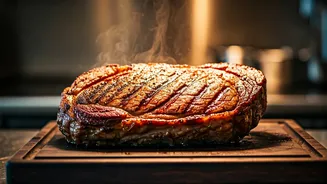
Contrary to traditional methods, chefs often begin searing large meat cuts directly in the oven. This approach bypasses the stovetop sear, and is particularly
effective for achieving evenly cooked, succulent results. When searing in the oven, chefs typically preheat the oven to a high temperature, around 400-450°F (200-230°C). They place the meat directly on a sheet pan, and allow it to cook in the oven's dry heat. As the meat cooks, the surface browns and develops a flavorful crust, while the internal temperature rises gently. This method is especially helpful when dealing with thick cuts like roasts or large steaks, as it minimizes the risk of overcooking the exterior before the interior reaches the desired doneness. The result is perfectly seared meat that is tender and evenly cooked throughout.
Adding Raw Alcohol
In an unexpected twist, many chefs incorporate 'raw' alcohol into their dishes to intensify flavor profiles. Rather than simmering or reducing alcohol, they add it directly, particularly in sauces or marinades. This technique can infuse a distinct character into the dish, and impart subtle nuances. When adding alcohol this way, chefs carefully consider the type of alcohol used, matching it to the dish's flavor profile. For example, a splash of vodka might be added to a tomato sauce, or a measure of rum can be used in a glaze for meats. The key is moderation – the amount should complement, not overwhelm, the other flavors. This method requires a refined palate and a good understanding of how the alcohol will interact with other ingredients to produce complex flavors.
Microwaving Potatoes
Breaking from conventional wisdom, some chefs embrace the microwave for preparing potatoes. This method isn't about laziness, but about efficiency, especially when time is of the essence. Microwaving potatoes before other cooking methods helps cut down on overall cook time, making them a great option for quick meals. Chefs often pierce the potatoes with a fork several times, then microwave them on high for a few minutes. This allows the potatoes to soften, making them perfect for mashing, slicing, or other preparations. The microwave's ability to cook evenly from the inside out means that they remain fluffy and light. Whether it's to get a head start on mashed potatoes, or to quickly prep potato wedges, chefs frequently use the microwave as a pre-cooking step. This saves time and ensures a consistent texture, perfect for any application.
Roux Mixing Separately
A fundamental element of many sauces and gravies, the roux is often approached with a unique twist by some chefs. Instead of combining the roux directly in the main pot, they often create it separately, carefully controlling the texture and color. This method provides greater control over the sauce's final consistency and flavor. Chefs typically melt butter and flour in a separate pan, whisking continuously until the desired consistency is achieved. They then incorporate this roux gradually into the main sauce or dish. This technique allows chefs to adjust the roux's thickness and flavor characteristics without affecting the rest of the dish. Moreover, it allows them to remove any lumps or inconsistencies before blending it into a larger batch of liquid, assuring a smooth, homogenous sauce.
Skipping Browning Stews
One of the unexpected tips that chefs often incorporate is skipping the browning of meat when preparing stews and soups. While browning meat is often done to build flavors, this step can be bypassed in certain applications for efficiency. This method depends on the dish and the desired outcomes. When skipping the browning step, chefs still ensure that the meat is thoroughly cooked, though the stew gains some of its depth from the slow simmer. The flavors meld more fully during the slow cooking process, giving the stew its depth. This method is especially useful for dishes that cook for a long time. This is especially useful when time is critical.
Avoiding Soaking Beans
For a quicker, simpler approach to preparing dried beans, some chefs skip the long soaking process. Soaking dried beans is the traditional method to decrease cooking time. Some chefs however, prefer to skip this step, finding that it isn't always necessary for good results. This means more planning is avoided, giving them flexibility in the kitchen. When beans are cooked without soaking, it's essential to simmer them for a more extended period. This extended cooking time helps to soften the beans, so they reach the desired tenderness. While this method requires more time for cooking, it removes the need to plan ahead. This technique is often used for black beans, lentils, and other bean types, that don't need a great deal of soaking.
Mixing Fish, Cheese
Despite conventional wisdom, there are chefs who do not avoid mixing fish and cheese. Often, these pairings can be found in various dishes, balancing textures and flavors. When integrating fish and cheese, chefs usually focus on pairing complementary flavors and textures. The choices of cheese can make all the difference, since the goal is to enhance the dish without overpowering the delicate fish flavor. For example, a mild cheddar or Gruyère can be used to add a creamy component. Experimentation is important, with chefs selecting pairings that work together. This combination may be used in gratins, quiches, and other recipes. The goal is a dish with complexity and flavor that does not sacrifice the delicate taste of fish.
Tortilla Pressing Flour
Some chefs are utilizing the tortilla press to get exceptional results when making flour tortillas. Normally used for corn tortillas, this tool delivers an even pressure that results in perfectly circular, uniformly thin flour tortillas. With a tortilla press, chefs are able to achieve an ideal texture, one that's consistent and perfect for fillings. This technique produces professional-quality flour tortillas. When utilizing a tortilla press, chefs can easily flatten the dough, and cook the tortillas on a hot griddle. The results are tortillas that are uniformly thin, with bubbles that appear as the tortillas cook. These professional techniques allow chefs to create high-quality, authentic tortillas that are perfect for tacos and wraps.
Searing Non-Stick Pans
While non-stick pans are usually for delicate dishes, some chefs use them to sear meat and fish. They are very particular about the results they want to achieve. They realize that this technique can deliver even browning and prevent food from sticking. The right technique is essential. Chefs begin by heating the pan at the correct temperature. They add the meat or fish, and allow it to sear without moving it. The objective is to produce a beautiful crust while avoiding overcooking the interior. Since non-stick pans heat quickly, chefs are careful about the time and heat. Non-stick pans help with recipes like salmon, chicken, or delicate fish, providing a sear with less fat and easier cleanup. The technique, with the right touch, becomes a useful tool for various dishes.
Adding Salted Cream
In an unexpected culinary method, several chefs add salt to their whipped cream, contrary to the conventional use of sugar. This technique intensifies the flavors and improves the overall balance of the dessert. When adding salt to whipped cream, the chefs use a pinch of salt. This is because the salt boosts the sweetness, and gives the whipped cream a more complex flavor profile. The salt does not make the whipped cream salty, but it brings out the natural sweetness. The added salt helps to stabilize the whipped cream, ensuring it holds its form longer. Chefs use this technique for a variety of desserts, where balance and complexity in taste are essential, offering a refined touch to even the simplest dessert.