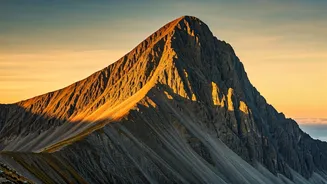

Kailash's Divine Presence
Mount Kailash, located in Tibet, is revered as the holiest mountain in the world by Hindus, Buddhists, Jains, and Bonpos. The mountain is seen as the home
of Lord Shiva in Hinduism, embodying cosmic energy and spiritual power. Pilgrims undertake challenging circumambulations (parikramas) around the mountain, believing it purifies their sins and brings them closer to enlightenment. The Bonpos, the original inhabitants of Tibet, view Kailash as the seat of their supreme deity. Its untouched beauty and remote location add to its mystique, preserving its sanctity. The mountain's symmetrical shape and perpetual snow cover contribute to its awe-inspiring presence and spiritual importance, making it a focal point for devotion and meditation for millions of believers. Its preservation is a testament to the respect and reverence it garners from the various religious groups that consider it sacred.
Fuji's Cultural Icon
Mount Fuji, Japan's highest peak, is a significant cultural and spiritual symbol for the Japanese people. Revered for its symmetrical cone shape, Fuji has inspired countless works of art, poetry, and literature over centuries. In Shinto, Japan’s indigenous religion, Mount Fuji is considered a sacred place, believed to house deities. Pilgrimages to the summit have been a tradition for centuries, with climbers seeking spiritual cleansing and communion with nature. The mountain's association with beauty, resilience, and national pride is deeply ingrained in Japanese culture. Its seasonal changes, from cherry blossoms in spring to snow-covered peaks in winter, contribute to its allure. The symbolic significance of Mount Fuji extends beyond its physical attributes, representing a spiritual aspiration and a connection to the natural world that resonates deeply with the Japanese people.
Olympus: Gods' Abode
Mount Olympus in Greece, the highest peak in the country, holds immense historical and mythological significance. In Greek mythology, Olympus was considered the home of the Olympian gods, including Zeus, Hera, Poseidon, and others. The gods were believed to reside in magnificent palaces on its summit, overseeing the affairs of mortals and influencing human destinies. The mountain's imposing presence and the mists that often shroud its peaks added to its mysterious aura, making it a suitable dwelling for divine beings. Ancient Greeks conducted rituals and sacrifices on the slopes of Olympus to honor the gods. The mountain serves as a powerful symbol of Greek culture, a testament to the beliefs and values of a civilization that has profoundly influenced Western thought and art. The preservation of this location is crucial to preserving the history of Ancient Greece and allowing future generations to learn about the gods that dwelled there.
Ararat's Biblical Symbolism
Mount Ararat, located in Turkey, is deeply ingrained in Abrahamic religions, particularly Christianity, Judaism, and Islam. According to the Bible, the ark of Noah rested on Mount Ararat after the great flood, making it a symbol of hope, salvation, and the beginning of a new world. The mountain has become a pilgrimage site for Christians, and the search for the ark remains a topic of exploration and speculation. In Islamic tradition, Mount Ararat is also associated with the flood and is considered a significant location. The mountain's remote location and harsh climate add to its mystique, while its association with a pivotal event in religious history has led to its enduring spiritual significance. The view from the mountain offers a sense of serenity and grandeur, further solidifying its importance as a place of spiritual reflection. The mountain's preservation is essential in honoring the traditions and stories that have been around for centuries.
Sinai's Divine Encounter
Mount Sinai in the Sinai Peninsula, Egypt, is a highly sacred mountain in Judaism, Christianity, and Islam. It is believed to be the place where Moses received the Ten Commandments from God, making it a site of divine revelation and the foundation of moral law. The mountain has significant spiritual and historical importance in these religions, as it represents a covenant between God and humankind. Pilgrims journey to Mount Sinai to retrace the steps of Moses, pray, and connect with their faith. The mountain's harsh desert environment enhances its spiritual intensity. Mount Sinai symbolizes law, faith, and divine guidance, and its location in a politically complex region adds to its historical significance. The summit provides visitors with a feeling of being present where history was made, solidifying its place as a location of spiritual power. Preserving this location is essential for maintaining the sacredness of the religious texts of Judaism, Christianity, and Islam.