




The Cheesecake Craze
The food world is continually offering new and exciting culinary discoveries. Recently, a specific recipe went viral on social media platforms, capturing
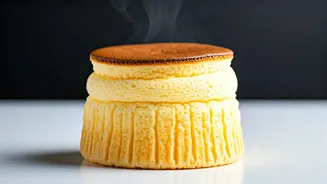
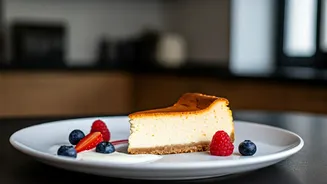
the attention of food enthusiasts everywhere. This particular recipe suggested an unexpected transformation: turning regular yogurt into something resembling a cheesecake. The premise was that a single ingredient could achieve this. The recipe originated from a Japanese cheesecake-inspired creation, igniting curiosity and leading people to experiment in their kitchens. This sparked a wave of home cooks keen to see if the supposed taste was real.
Ingredient Unveiled
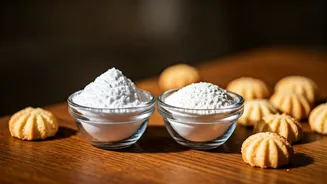
The key ingredient in this remarkable transformation is surprisingly easy to obtain. It is a product easily available in most grocery stores and markets, the key element which helps to change the yogurt. While the exact ingredient remains a closely guarded secret, the accessibility of it has contributed to the recipe's viral spread. This element promises to add sweetness, richness, and depth, all critical components of a cheesecake. Using this, the recipe’s simplicity further boosts its popularity. The simplicity and minimal time commitment make it appealing to busy individuals seeking a quick and satisfying treat, and anyone keen to explore new flavor combinations.
Taste Test Begins
The taste test began with the preparation. Following the recipe's directions, the plain yogurt was mixed with the lone, magic ingredient. The combination was easy, needing only a short amount of time to prepare the base. The anticipation grew as the mixture was created, with the promise of a cheesecake-like taste. The texture, aroma, and the visual appearance were noted. This sensory evaluation was key to determining if the recipe delivered on its promise. The preparation was quick, and then the critical moment arrived, testing the transformed yogurt. The real goal was to find if the yogurt did taste like cheesecake.
Initial Impressions Emerge
The first bite was critical, and the initial reaction offered valuable information. Immediately, the taste of the original yogurt was altered. The introduction of the special ingredient imparted a new taste and texture, giving the impression of sweetness. The overall experience was markedly different. During this first stage, the testers paid attention to sweetness, richness, and mouthfeel. There was an evaluation about how closely the flavor profile matched the expectations. The initial impression often set the tone for the entire taste test, forming a baseline for the final conclusion.
Flavor Profile Analyzed
A closer look at the flavor profile was required to dissect the transformation of the yogurt. The testers broke down the complex tastes present. They tested the degree of sweetness, carefully checking for any sourness that could detract from the desired cheesecake flavor. Also, they assessed the levels of richness and creaminess, aiming for a smooth, velvety texture. Additional notes included any unexpected flavors or aftertastes that could affect the overall enjoyment. The intention was to determine if the flavors were balanced. In short, the goal was to gauge how closely it matched the expected cheesecake profile.
Texture and Consistency
Texture played a vital role in determining if this transformed yogurt really resembled cheesecake. The team carefully assessed the consistency of the final product, looking for the desired creamy or smooth quality of the base. It was crucial to note any differences in texture caused by the added ingredient. Did it give a similar mouthfeel to cheesecake, or did it feel too thin, or thick? The aim was to evaluate how well it mimicked the experience of eating cheesecake. The ideal texture contributed greatly to the overall illusion of the dish, and it was essential to the experiment's results.
The Verdict Announced
Following a thorough evaluation of taste, texture, and overall enjoyment, the verdict was reached. The team carefully reviewed their findings, considering all aspects of the transformed yogurt. Did the recipe deliver on its promise? Was it actually similar to cheesecake in taste and texture? The conclusions became a summary of the whole experiment, revealing how the single ingredient affected the yogurt. It offered insight into whether the viral recipe should be followed or not. This final judgement represented the culmination of the taste test, providing a definitive answer to the main question.
Further Experimentation?
Although a verdict was reached, the study did not conclude there. The taste-testing team took a broader view, considering opportunities for additional testing. The possibility of adapting or enhancing the recipe with different ingredients or methods was examined. Maybe another type of yogurt could be used. Perhaps adding fruit, toppings or even other flavorings would elevate the cheesecake experience. The testers may try different combinations. The purpose would be to make suggestions for improvement or customization based on the test's outcome, encouraging further experimentation.
Final Thoughts and Reflection
As the taste test concluded, it was important to reflect on the entire experience. It was about much more than just the taste of the food; it was about the appeal of the recipe, the impact of food trends, and the pleasure of experimenting. The whole experiment encouraged people to try simple recipes and to get involved with new food trends. The team had learned the value of innovation and the power of social media to spread new ideas. This evaluation brought a sense of completion, providing insights into the whole process.