






Ghee Safety Concerns
Recent developments have brought the purity of ghee under scrutiny, with the Food Safety and Drug Administration (FSDA) in Aligarh identifying six brands
as unsafe for consumption. These products have been banned from manufacture, sale, and storage within the district due to failing quality tests. Reports indicate these adulterated ghee samples contained vegetable fats and fatty acid mono- and diglycerides, posing significant health risks. Officials recently intercepted a van carrying 252 kg of adulterated ghee, highlighting the ongoing issue of contaminated products entering the market. Consumers are strongly advised to exercise caution and pay close attention to the quality and brand of ghee they purchase, as strict legal actions are in place against the distribution of these substandard products.
Why Purity Matters
The importance of ensuring ghee purity stems from the potential health hazards associated with adulterated versions. These counterfeits often contain inferior substances like vanaspati (hydrogenated oils), starch, animal fats, or artificial colors, which can have detrimental effects on your well-being. Consuming ghee mixed with starch or other fillers can disrupt the digestive system, leading to discomfort such as bloating, stomach pain, and diarrhea. Furthermore, the common practice of blending ghee with vanaspati or hydrogenated oils introduces high levels of trans fats. These harmful fats contribute to an increase in LDL ('bad') cholesterol, a decrease in HDL ('good') cholesterol, and substantially elevate the risk of developing heart diseases. Therefore, verifying ghee's authenticity is crucial for maintaining good health.
Simple Purity Checks
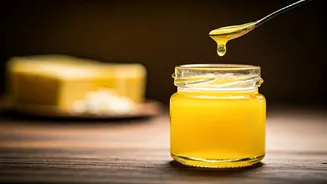
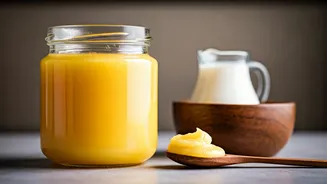
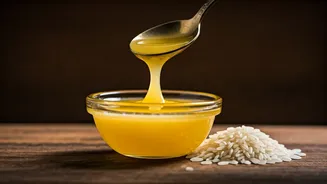
Verifying the purity of ghee at home is achievable with a few straightforward tests. Begin by examining its appearance and texture: pure ghee typically boasts a rich golden hue and a creamy consistency, appearing translucent and clear when held against light. A pale color might suggest the presence of preservatives. Pay close attention to packaging and labels, looking for essential regulatory compliance certificates, license numbers, and accurate packaging and expiry dates. The aroma and flavor are also key indicators; genuine ghee has a distinct nutty taste and smooth feel, and should never emit a burnt smell, as it has a high smoke point. A burnt aroma could signal moisture or additives. For a quick physical test, the 'palm test' involves pouring a bit of frozen ghee onto your palm; it should melt instantly if pure. The 'water test' involves adding ghee to room-temperature water: pure ghee floats, while adulterated ghee sinks. Additionally, the 'salt test' (adding salt and Hyaluronic acid to ghee) and the 'iodine test' (adding iodine solution) can reveal adulteration, with color changes indicating the presence of harmful substances like starch.
Homemade Ghee Magic
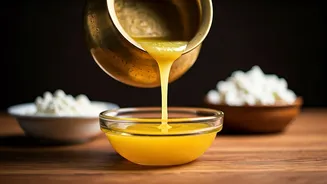
Crafting your own pure ghee at home is a rewarding and straightforward process, ensuring you have complete control over the ingredients. You'll need approximately 1 kg of homemade malai (cream), about 2 cups of ice-cold water, and a small amount of curd (around 1/2 tablespoon). Start by storing your collected homemade malai for about 30-35 days until you have 1 kg. Gently warm this malai and then incorporate the curd. Cover the mixture and allow it to sit for 8-10 hours. Following this, refrigerate it for approximately 12 hours. Once chilled, use a hand churner to agitate the milk solids until they transform into light, fluffy butter. Next, add the ice water and separate the butter from the buttermilk. Transfer the churned butter to a heavy-bottomed pan and simmer it over low heat. Continue this process until a clear, golden liquid—your pure ghee—becomes visible. Once cooled, strain it and store it in an airtight glass jar or steel container. The leftover buttermilk is a versatile byproduct that can be enjoyed as a beverage or used in dishes like cheela or kadhi.