



Fueling Test Hiccups
NASA's Artemis 2 lunar mission, originally scheduled to lift off in February, has encountered a significant hurdle that necessitates a rescheduled launch.
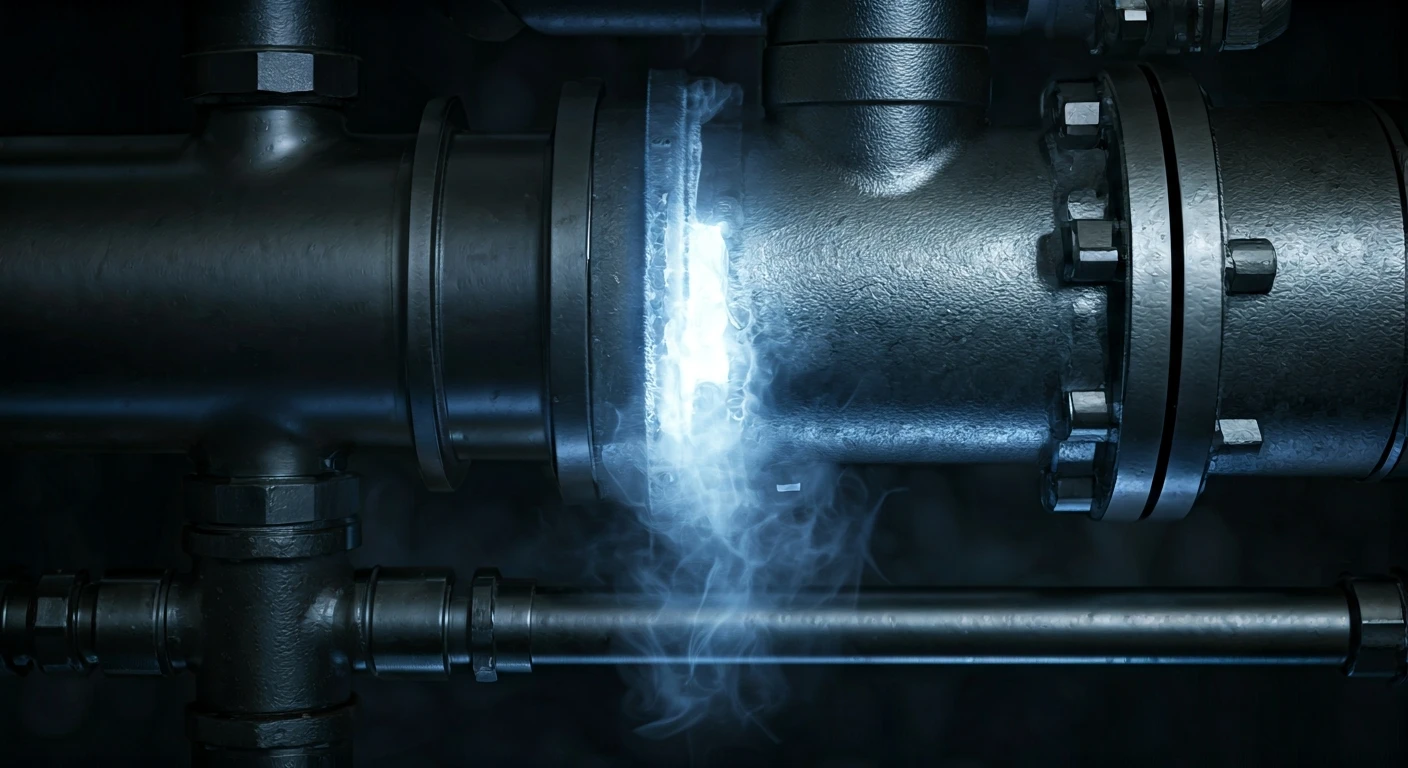
During a critical "wet dress rehearsal" – a two-day test simulating a countdown and involving the fueling of the Space Launch System (SLS) rocket with liquid hydrogen and oxygen – engineers identified substantial hydrogen leaks. This test, designed to uncover potential issues before the actual flight, revealed problems at the specific interface where liquid hydrogen is transferred into the rocket's core stage. While fueling was temporarily paused to investigate, it later resumed, and the rocket was fully loaded. However, the countdown had to be halted prematurely at the T-minus 5 minute, 15-second mark as the hydrogen leak rates escalated at the same critical junction. This discovery has prompted NASA to postpone the mission, aiming for a new launch opportunity in March to allow ample time for thorough data analysis and potentially a repeat of the fueling rehearsal.
Beyond Hydrogen Issues
The Artemis 2 mission's delay is not solely attributed to the hydrogen leaks. Several other unexpected challenges emerged during the complex wet dress rehearsal. A valve within the Orion spacecraft's hatch pressurization system was inadvertently vented during final preparations, requiring additional time to restore the system's integrity. Compounding these technical glitches, unseasonably cold weather, which had already pushed the rehearsal back by two days, further complicated operations. These frigid conditions led to delays in the critical propellant loading sequences and caused malfunctions with essential equipment, including cameras and other systems located on the launch pad. Adding to the list of complications, ground teams experienced intermittent disruptions in their audio communications. These cumulative issues underscore the intricate nature of preparing for a deep-space mission and the importance of meticulously addressing every anomaly.
Historical Parallels and Future Windows
The recurring nature of hydrogen leaks in the Space Launch System (SLS) program is a significant factor in the Artemis 2 delay. Similar issues plagued the preparations for the Artemis 1 launch in 2022, leading to multiple wet dress rehearsals and two scrubbed launch attempts before that mission could proceed. NASA officials had expressed confidence that these earlier problems had been resolved, making the recent reoccurrence particularly noteworthy. With the February launch window now closed, NASA has identified a new earliest launch opportunity for Artemis 2 from March 6 to 11, offering five distinct two-hour windows. Should that period not be viable, another promising launch window extends from April 1 to 6. The astronauts designated for the Artemis 2 crew – Reid Wiseman, Victor Glover, Christina Koch, and Jeremy Hansen – will now exit their preflight quarantine, which they entered on January 23rd, and will re-enter quarantine two weeks prior to the revised launch attempt to ensure their health.
Ripple Effects on Other Missions
The postponement of the Artemis 2 mission has consequential effects on other planned spaceflights. Specifically, the delay clears the path for the Crew-12 mission to the International Space Station (ISS) to proceed as early as February 11th. In a previous briefing on January 30th, agency officials had indicated that if Artemis 2 had successfully launched in February, the Crew-12 mission would have been pushed back until after Artemis 2 completed its roughly ten-day journey. Furthermore, any scrubbed attempt during the original February launch period for Artemis 2 would have resulted in a further delay for Crew-12, preventing its launch until at least February 13th. This interconnectedness of launch schedules highlights the delicate balancing act NASA manages in its ambitious exploration endeavors.