








Budget and Policies
The Union Budget for 2024 featured key announcements. The extension of the Production Linked Incentive (PLI) scheme and initiatives related to tax certainty
were central features. The government's focus also included promoting sector-specific growth, as highlighted by the Textile Transformation Plan and district-led growth strategies. Additionally, the budget showed a commitment to infrastructure development, with substantial investments being made. These policies aim to foster long-term economic stability and attract both domestic and international investments. The government's actions also included new rules for manufacturing sleeper buses, reflecting a commitment to enhancing safety and ensuring the well-being of the population.
Industry Initiatives
Several industry-specific initiatives are contributing to India's economic advancement. Tata Power planned to establish a 10 GW solar plant in Andhra Pradesh, reflecting a strong emphasis on renewable energy. The collaboration between NSE and IGX to develop a natural gas futures contract marks an effort to improve market efficiency. Moreover, the integration of cutting-edge technology is evident in the partnership between Bharat Forge and Agile Robots on AI automation. The government also encouraged the growth of specific sectors, with support for the food processing industry and the textile sector, through agreements signed with 15 states. Furthermore, Lenovo planned to manufacture AI servers in India to facilitate global exports.
Market Trends
India's stock market demonstrated a mixed performance. The market saw dips because of foreign outflows and tariff concerns. The IPO of Bharat Coking Coal raised Rs 273 crore from anchor investors, and BCCL's IPO was also fully subscribed. However, several companies reported fluctuations. Reliance experienced a significant reduction in its valuation, losing Rs 1.65 lakh crore. Conversely, BMW Group India reported a 14% growth in sales during 2025. Avro India planned an IPO for Avro Recycling, aiming to raise Rs 300 crore. The performance of individual stocks varied, with capital goods stocks declining and BHEL experiencing a significant drop. These trends reflect the volatile nature of the market, impacted by internal and external financial dynamics.
Financial Updates
Several financial developments shaped the economic landscape. The Securities and Exchange Board of India (SEBI) introduced a reporting format for SIF compliance and formed a technology group for market infrastructure. The SWAMIH fund completed 61,000 homes in stalled projects, addressing significant issues in the real estate sector. The Reserve Bank of India (SBI) projected that India’s GDP would grow at 7.5% in FY26. Additionally, Bajaj Group acquired a stake from Allianz for Rs 21,390 crore. The rupee's value declined against the US dollar amid foreign institutional investor (FII) outflows. These activities reflect the efforts to improve market management, facilitate investment, and promote financial stability across several sectors.
International Relations
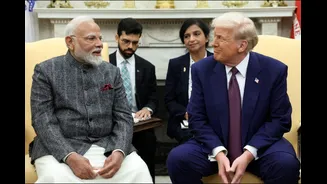
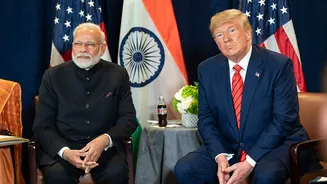
International partnerships and trade agreements continued to influence India's economic course. Discussions around the review of the ASEAN-India trade pact aimed to increase market access. Trump 'greenlit' tariffs on China and India for Russian oil, which further complicated trade relations. The failure of the India-US trade deal also presented challenges. India continued its efforts through the India-led Solar Alliance, addressing international goals and dealing with the US's withdrawal from the partnership. These international developments highlighted the challenges and opportunities associated with global trade and cooperation.