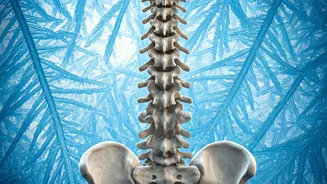

Winter's Chilling Impact
The shift in seasons directly influences how our bodies function, often leading to increased sensations of discomfort. One primary reason for this is vasoconstriction,
where blood vessels narrow in response to the cold. This reduction in blood flow, particularly to the outer limbs, can leave the joints and muscles feeling stiff, even painful. Reduced physical activity during the winter season is another key factor. People tend to be less active when the weather is cold and the days are shorter, which can lead to weakened muscles and stiff joints, making them more vulnerable to pain. Beyond the physical, the body's natural attempts to maintain heat add to the problem. Muscles may tense as a way to generate warmth, leading to aches. Furthermore, the higher humidity often present in winter can also heighten the experience of pain; a combination of cold and moisture can make conditions worse.
Muscles, Joints, and Cold
The winter's cold significantly affects the function of muscles and joints, resulting in heightened stiffness and potential pain. The synovial fluid, a key component lubricating the joints, becomes more viscous in lower temperatures. This thickening can make movement in the joints feel restricted. Simultaneously, the muscles contract to maintain body warmth, amplifying tension and, in some cases, causing spasms. While this is the body's natural response to chilly temperatures, it can result in increased discomfort. The combination of stiff joints and contracted muscles can make daily actions, such as bending or walking, noticeably harder and more painful. Furthermore, for those already grappling with conditions like arthritis or fibromyalgia, the cold can worsen pain. By staying warm, performing regular exercises, and incorporating consistent stretching, individuals can counteract these effects and support the health of their joints and muscles.
Back Pain's Winter Surge
The winter season is often associated with a rise in reports of back pain, influenced by a blend of external and internal elements. One significant contributing factor is a decline in physical activity, leading to weakness in the muscles that support the back and making them susceptible to strains. During cold weather, people are more inclined to adopt less than ideal postures, such as hunching over, which further strains the back. Furthermore, the cold itself contributes to the issue, causing muscle spasms and stiffness. Changes in atmospheric pressure, a common occurrence during winter, have also been connected to increased pain. Many people also report greater feelings of stress and depression throughout the winter, which can lead to greater muscle tension and thereby worsen back pain. The holiday period frequently adds to this issue, bringing about increased work pressures or family activities, exacerbating the problem. By maintaining proper posture, incorporating regular exercises, and managing stress levels, individuals can take proactive measures to mitigate and manage back pain effectively during winter.
Alleviating Pain: Adjustments
Adjustments to lifestyle can be valuable for managing pain during the winter months. Maintaining body warmth is a significant first step, achieved through wearing layers of clothing and ensuring comfortable indoor temperatures, thus preventing muscle tension. Regular exercise is also essential; incorporating mild stretching or indoor activities helps maintain good circulation, thus maintaining muscle and joint flexibility. Maintaining correct posture can greatly minimize stress on the back and other joints. Being mindful of posture can assist in reducing any undue strain. Controlling stress through techniques like meditation or deep breathing is equally important, as stress can aggravate pain. Consuming a well-balanced diet, rich with anti-inflammatory foods, can assist in minimizing total body inflammation. Considering a humidifier to counter the impact of dry indoor air, and ensuring sufficient sleep is critical for pain management. Adopting these tactics can meaningfully improve the winter experience and diminish the effects of seasonal pain.