






Dalia's Fiber Power
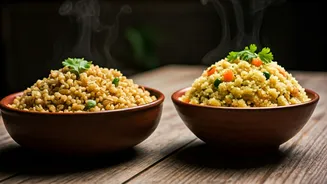
Dalia, crafted from broken wheat, emerges as a frontrunner due to its impressive fiber and complex carbohydrate composition. These components ensure a slower
digestive process, which, in turn, keeps blood sugar levels steady and wards off hunger pangs for extended periods. This characteristic of slow-release energy makes dalia a particularly wise selection for those keen on weight management or those who wish to avoid constant snacking. It's a breakfast that keeps you feeling full and energized for a longer duration, making it easier to stick to your dietary goals and avoid overeating later in the day. The fiber content also aids in digestive health, contributing to overall well-being.
Upma's Quick Energy
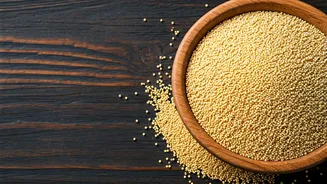
Upma, conversely, prepared from semolina, offers a different nutritional profile. It's digested at a faster rate, providing a quick burst of energy to kickstart your day. However, this speedy digestion can also mean that it may not offer the same level of satiety, particularly when prepared without the inclusion of vegetables or protein-rich additions. The rapid energy release can lead to quicker hunger pangs, potentially prompting you to reach for snacks sooner. While upma is a convenient and tasty option, understanding its impact on fullness is crucial, especially for those mindful of their weight or trying to control their appetite throughout the day.
Calorie Count Showdown
When considering calories, dalia again takes the lead. A standard serving of cooked dalia typically contains around 150-180 calories, making it a naturally low-fat choice. This lower calorie density is a boon for individuals watching their calorie intake. On the other hand, upma tends to be more calorie-dense, often containing between 200-220 calories per serving. The calorie count in upma can easily escalate based on the additions like oil, ghee, cashews, or peanuts used during its preparation. Therefore, if you are counting calories, opting for dalia could be more advantageous, as it provides a filling meal without a high-calorie burden.
Nutrient Composition
Beyond calories, the nutritional content of dalia and upma also varies. Dalia provides a good source of plant-based protein and iron, essential elements that support metabolism and promote muscle health, especially during weight loss journeys. Upma, on the other hand, contains Vitamin B and can become more nutritious with the addition of vegetables such as carrots, beans, and peas. However, when eaten plain, upma often falls short in terms of fiber and protein in comparison to dalia. Thus, including dalia in your breakfast routine could offer a greater array of nutrients that support your overall health and wellness goals.
Dalia’s Weight Loss Edge
Experts generally suggest that dalia has a slight edge in the weight loss arena. This advantage stems from its high fiber content, lower calorie count, and the sustained feeling of fullness it provides. These qualities can make a significant difference in how you approach your daily eating habits and calorie intake. Although upma may not be the optimal choice for weight loss, it can still fit into a balanced diet if prepared thoughtfully, with minimal oil and a generous portion of vegetables. Therefore, consider the preparation methods and the additions to make a wise breakfast decision.