



Understanding Sautéed Veggies
Following her cancer recurrence surgery, actress Dipika Kakar has adopted a new eating plan that features sautéed vegetables, as shared by her husband
Shoaib Ibrahim in a YouTube vlog. This seemingly simple dietary adjustment is, in fact, a well-researched strategy for supporting the body during recovery. Consultant dietitian Garima Goyal explains that this method is particularly relevant for individuals managing cancer recurrence, as it directly addresses critical biological mechanisms. The recurrence of cancer is often linked to persistent inflammation, elevated oxidative stress, compromised detoxification processes, and hormonal imbalances within the body. Diet has a profound impact on all these interconnected systems. When prepared properly, sautéed vegetables offer a concentrated source of nutrients that are easily absorbed by the body, alongside powerful antioxidants and beneficial plant compounds that bolster the body's natural defenses and healing capabilities. This approach highlights how fundamental dietary choices can play a significant role in long-term health management.
Boosting Nutrient Absorption
One of the significant advantages of sautéing vegetables lies in how it enhances the body's ability to absorb vital nutrients. When vegetables are cooked lightly in healthy fats like olive oil or ghee, the bioavailability of fat-soluble vitamins, such as A, D, E, and K, increases considerably. Furthermore, important phytonutrients, including beta-carotene and lycopene, become more readily available for the body to utilize. This improved nutrient uptake is especially crucial for individuals in a recovery phase, where maximizing the absorption of essential nutrients is paramount. Beyond enhancing the absorption of vitamins and phytonutrients, the cooking process also helps to reduce naturally occurring anti-nutritional compounds like oxalates and phytates. These compounds can sometimes interfere with mineral absorption. By minimizing their presence, sautéing contributes to better mineral uptake and overall improved digestive efficiency, ensuring the body gets the most out of the healthy foods it consumes.
Combating Inflammation Naturally
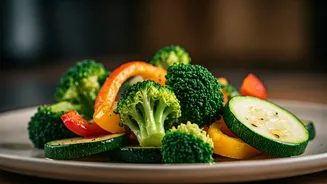
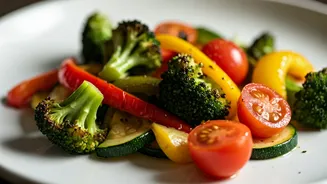
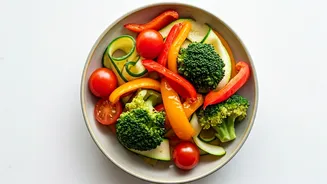
The anti-inflammatory properties of vegetables are a cornerstone of their health benefits, and sautéing helps preserve and even enhance these effects. A diverse range of vibrantly colored vegetables—think bell peppers, zucchini, carrots, and various leafy greens—collectively provide a wide spectrum of antioxidants. These antioxidants are instrumental in counteracting oxidative stress, a recognized factor that contributes to the progression and potential recurrence of cancer. Moreover, certain vegetables, particularly those in the cruciferous family like broccoli, cauliflower, and cabbage, possess a compound called sulforaphane. This substance is particularly noteworthy for its role in supporting the liver's phase 2 detoxification pathways. These pathways are essential for neutralizing and eliminating harmful toxins from the body, thereby further contributing to a reduced inflammatory state and a more resilient system.
Mastering the Sauté
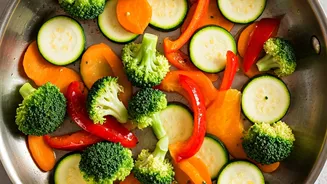
The therapeutic effectiveness of sautéed vegetables hinges significantly on the preparation method. To achieve optimal results, vegetables should be cooked over medium heat using stable, high-quality fats. Starting the sauté with aromatics like garlic and onions not only builds a delicious flavor base but also activates beneficial sulfur-containing compounds present in these ingredients. It's advisable to add harder vegetables, such as carrots or broccoli stems, first to allow them sufficient cooking time, followed by softer vegetables like bell peppers or spinach. The goal is to retain a slight crunch in the vegetables, indicating they are perfectly cooked and not overdone. Overcooking should be strictly avoided, as it can degrade heat-sensitive nutrients and diminish the overall health benefits of the meal. Enhancing the anti-inflammatory potential can be further achieved by incorporating spices like turmeric and black pepper, known for their potent beneficial properties, into the sauté.
Daily Sautéed Veggie Habit
Integrating sautéed vegetables into one's daily diet, whether once or twice a day, offers a practical and sustainable approach to maintaining good health. The key principles for success are variety, freshness, and consistency, rather than striving for complex culinary creations. From a dietitian's perspective, achieving significant health benefits through therapeutic nutrition doesn't necessitate elaborate meal plans or costly ingredients. Often, the simplest dietary habits, when practiced diligently and correctly, can lead to the most profound positive outcomes. This focus on simple, nutrient-dense foods like properly sautéed vegetables underscores the power of consistent, mindful eating in supporting long-term well-being and recovery.