


Understanding Spinal Strain
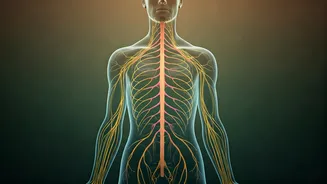
Our spine, the central conduit of our vital energy, faces unprecedented challenges in modern life. Millions of years ago, our ancestors moved on four limbs,
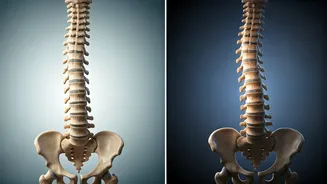
their spines parallel to the ground, distributing weight evenly. The evolution to bipedalism introduced a vertical spine, a revolutionary adaptation that, while enabling us to stand tall, also created a significant gravitational load on the lumbar vertebrae. This inherent vulnerability is amplified by our contemporary "chair-bound" existence. Extensive research now highlights that prolonged sitting, sometimes exceeding 10 hours daily, is as detrimental as smoking, causing our meticulously evolved upright structure to collapse. This sedentary habit forces the spine into a strained "C-shape," overstretching its supportive ligaments and disrupting its natural "S-curve." Furthermore, static sitting prevents the crucial pumping action that nourishes intervertebral discs, leading to "disc starvation," premature degeneration, and persistent dull aches. The shortening of hip flexors, or Psoas muscles, during sitting also pulls the lumbar spine forward, creating continuous internal tension. To combat this crisis, we must integrate movement and mindful postures that respect our spine's biological design.
Triangle Pose Power
Engage in Trikonasana, or Triangle Pose, a powerful posture for enhancing lateral flexibility. Begin by standing with your feet wide apart. Extend one arm downwards to touch your shin, while reaching the opposite arm towards the ceiling. This dynamic stretch targets the deep back muscles that often become painfully tight from habitually leaning forward over a desk. By opening the sides of the body, it effectively counteracts the forward curvature that develops from prolonged periods of sitting, promoting a more balanced and resilient spinal structure. The intentional extension and opening in this pose create space along the spine and release accumulated tension, contributing to improved posture and reduced discomfort.
Cobra Pose Reversal
Experience the revitalizing effects of Bhujangasana, the Cobra Pose. This restorative posture involves lying on your stomach and gently lifting your chest, ensuring your elbows remain tucked close to your body. The primary benefit of this pose is its ability to reverse the detrimental "sitting hunch" by strengthening the Erector Spinae muscles, which are crucial for maintaining an upright posture. By engaging these muscles, the Cobra Pose helps to re-establish the spine's natural alignment and counteract the effects of slouching. Additionally, practitioners often report benefits for the adrenal glands, contributing to overall resilience and well-being. This gentle backbend encourages a healthier spinal curve and promotes better breathing capacity.
Child's Pose Reset
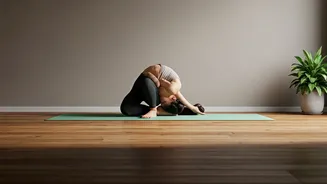
Embrace the profound tranquility of Balasana, known as Child's Pose. To perform this pose, kneel on the floor and then fold your torso forward, allowing your forehead to rest comfortably on the ground. This posture is renowned as an ultimate "nervous system reset." It gently stretches the lumbar fascia, the connective tissue in the lower back, promoting relaxation and release. By guiding the body into a state of Sattva, or balance, Child's Pose calms the mind and soothes the body. This inward-folding position offers a deep sense of grounding and allows the spine to lengthen and decompress, providing significant relief from accumulated stress and tension, especially in the lower back.
Downward Dog Traction
Discover the spinal decompression benefits of Adho Mukha Svanasana, the Downward-Facing Dog. In this inverted 'V' shape, you press your hips towards the sky while keeping your hands and feet grounded. This pose is a powerful tool for spinal traction. Utilizing the force of gravity, it gently pulls your vertebrae apart, creating space and allowing compressed intervertebral discs to naturally decompress, rehydrate, and regain their cushioning properties. This process helps alleviate pressure and stiffness in the spine. Downward Dog also stretches the hamstrings and calves, contributing to overall flexibility and relieving tension that can radiate into the lower back.
Bridge Pose Glute Activation
Strengthen your foundation with Setu Bandhasana, the Bridge Pose. Lie on your back with your knees bent and feet flat on the floor. Then, lift your hips high towards the ceiling, creating an inverted bridge. This pose is highly effective at "waking up" the gluteal muscles. In medical terms, strong glutes are intrinsically linked to a healthy back, as they help to stabilize the pelvis and shift the load away from the vulnerable lower spine. By activating and strengthening these key muscles, Bridge Pose significantly reduces strain on the lumbar region and improves overall pelvic alignment, contributing to a more resilient and pain-free back.