






Retro Charm, Smart Core
In a fascinating display of technological ingenuity, Pankaj Tanwar, a Bengaluru-based tech aficionado, has reimagined a cherished family heirloom. He has meticulously
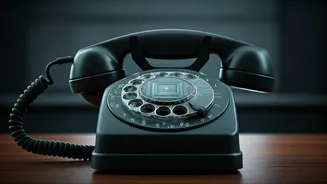
converted his grandfather's classic rotary phone into a sophisticated AI assistant. This remarkable device, which initially appears to be a relic from the 1970s, is now capable of understanding and responding to spoken commands. Tanwar shared his motivation for undertaking this project, expressing a desire to move beyond the typically utilitarian appearance of modern smart devices. His creation allows him to engage in natural conversations, issuing commands for tasks ranging from booking transportation and scheduling appointments to ordering food and managing home lighting, all through the familiar interface of the vintage telephone.
Seamless Functionality
The magic of this retro-futuristic device lies in its internal components, which belie its external vintage appearance. While it looks precisely like a phone from the mid-20th century, housing a Raspberry Pi computer and a compact AI agent, its capabilities are thoroughly modern. Tanwar explained that the device seamlessly integrates into his workspace, appearing as an innocuous piece of decor to the untrained eye. He elaborated on the ease of use, initiating interactions with a simple wake phrase like 'Hey Kiri'. The AI agent, powered by the Raspberry Pi, efficiently processes these commands, executing a wide array of functions, including answering queries, setting reminders, and even controlling other smart home appliances, all without the user needing to interact with a separate screen or device.
Budget-Friendly Innovation
Remarkably, Tanwar managed to bring this advanced project to fruition with a surprisingly modest budget. He revealed that the entire setup cost approximately $25, comprising a repurposed dummy phone, a Raspberry Pi, and a collection of necessary hardware components. This low-cost approach underscores the accessibility of modern technology and the potential for creative individuals to achieve significant innovations without substantial financial investment. Despite the simple and economical build, the AI-powered rotary phone performs a diverse range of tasks comparable to high-end commercial smart assistants. This demonstrates that sophisticated functionality can be achieved through clever integration and resourcefulness, making advanced tech more attainable.
Online Acclaim
Tanwar's unique project quickly garnered significant attention and praise across social media platforms. He shared visual documentation, including photographs and a video showcasing the phone's operation. Although he acknowledged that the demonstration was not flawless, he emphasized the sheer enjoyment derived from the building process. Online commentators widely lauded his ingenuity, with many expressing admiration for the innovative application of artificial intelligence. Phrases like 'Excellent use of AI I have seen so far,' 'You are a legend, man,' and 'What an amazing development' flooded the comments section, reflecting the public's appreciation for his creativity and skill in merging vintage aesthetics with cutting-edge technology.