







A Historic Milestone
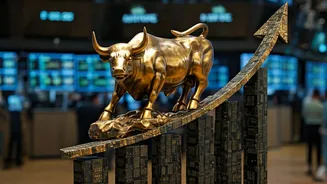
The Nifty's decade-long success story is a significant achievement, marking a remarkable period of sustained growth in the Indian stock market. This 10-year
winning streak, culminating in a 10% gain by the end of 2025, reflects the resilience and potential of the Indian economy. Several factors likely contributed to this success. Strong domestic economic fundamentals, including robust GDP growth, increased consumer spending, and supportive government policies, played crucial roles. Additionally, rising investor confidence, driven by positive market sentiment and increased participation from both domestic and foreign investors, bolstered market performance. These elements, combined with strategic corporate actions and industry-specific advancements, fueled the Nifty's consistent upward trajectory throughout the decade. This performance demonstrated the market's adaptability and ability to weather various economic conditions.
Decoding 2025's Gains
The 10% gain recorded in 2025 is the result of a combination of factors. The Indian market benefited from increased foreign investment, a trend spurred by India's promising economic prospects and ongoing reforms. Supportive domestic policies, such as infrastructure development initiatives and tax incentives, also played a crucial part. Furthermore, corporate earnings growth provided essential support, with many companies demonstrating strong financial performance. Positive global economic conditions, though varied, created a favorable backdrop for Indian equities. The rise in market participation by retail investors and the proliferation of investment platforms further boosted trading volume and market confidence. These factors, functioning in unison, cultivated an environment where the Nifty was able to close out the year with a respectable gain, setting the stage for discussions about the coming year's outlook.
Outlook for 2026
Looking ahead to 2026, the question is whether the momentum will continue. Various economic and market indicators will influence the Nifty's performance. The trajectory of global economic growth and any shifts in international trade dynamics will play a part. Domestic factors such as inflation rates, interest rate policies, and the progress of structural reforms are also significant. Investor sentiment will be key, and changes in the flow of foreign investment will have a considerable impact. Corporate earnings reports will provide crucial insights into the health of various sectors. Furthermore, any policy changes or regulatory adjustments introduced by the government will influence market behaviour. Successfully navigating these dynamics will determine if the Nifty can continue its winning streak, potentially reshaping investment strategies and market expectations in the coming year.
Investment Strategies Ahead
Investors must adapt their strategies based on the anticipated market trends for 2026. Diversification of portfolios across multiple sectors and asset classes is an important strategy, helping to mitigate risks associated with market volatility. A thorough understanding of current market trends, combined with in-depth company analysis, will be crucial. Keeping abreast of macroeconomic indicators, such as interest rate decisions, inflation data, and GDP growth forecasts, provides a broader perspective for making investment choices. Engaging with financial advisors to develop strategies tailored to individual risk tolerance and financial goals is helpful. Continuous learning, monitoring of portfolio performance, and regular adjustments can optimize investment strategies. Being prepared to handle potential market fluctuations and having long-term financial objectives are also essential to help navigate the year ahead.
Potential Challenges Looming
Despite the positive outlook, potential challenges could influence the Nifty's performance in 2026. Economic slowdowns on a global scale could affect the Indian market through diminished export demand and reduced investment flows. Rising inflation, possibly impacting corporate profitability and consumer spending, represents another risk. Geopolitical uncertainties, including trade disputes or international conflicts, can also trigger volatility in the market. Changes in monetary policy by the Reserve Bank of India, particularly interest rate hikes, can affect market liquidity and business investment. Furthermore, any significant policy shifts, such as alterations to tax laws or economic reforms, could affect investor confidence and market dynamics. Recognizing and preparing for these challenges will be critical for investors to effectively navigate the market environment in the coming year.